
Last updated November 15, 2026
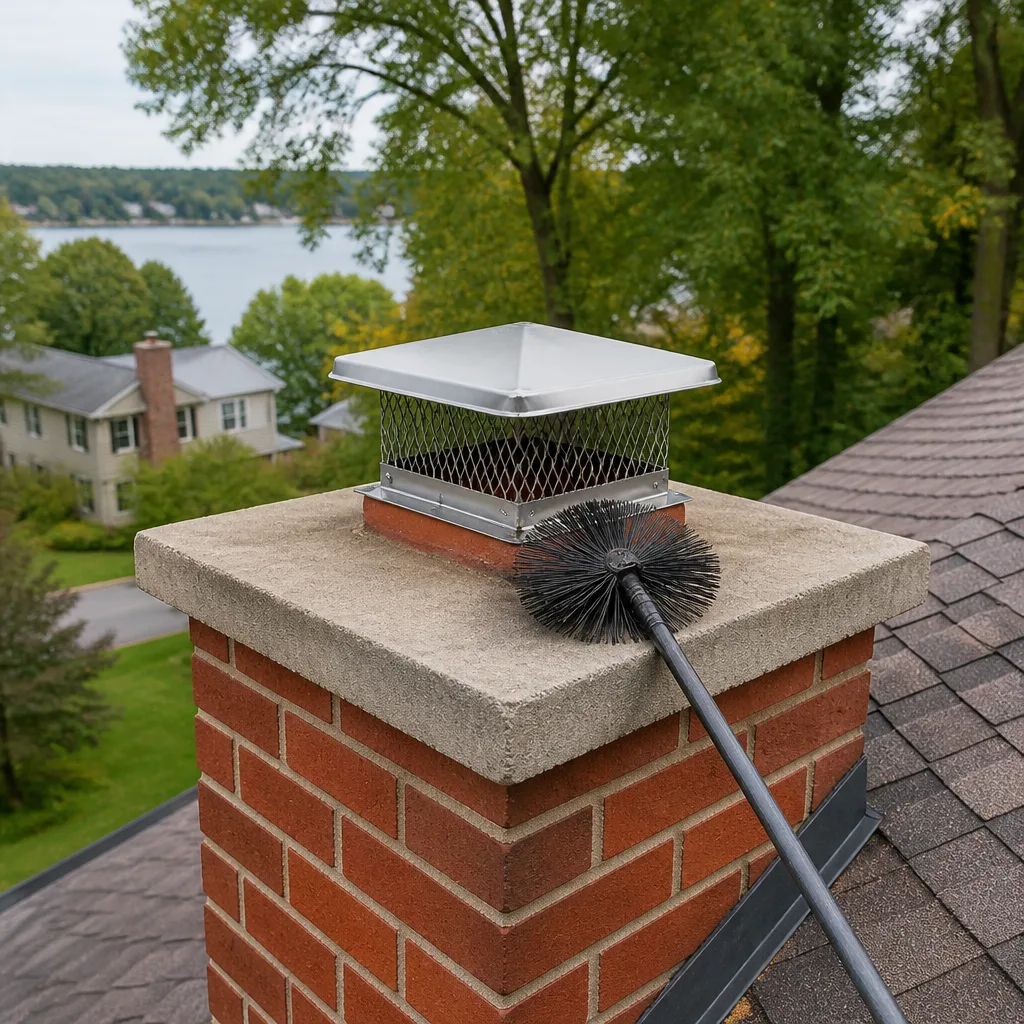 Sweep & inspection
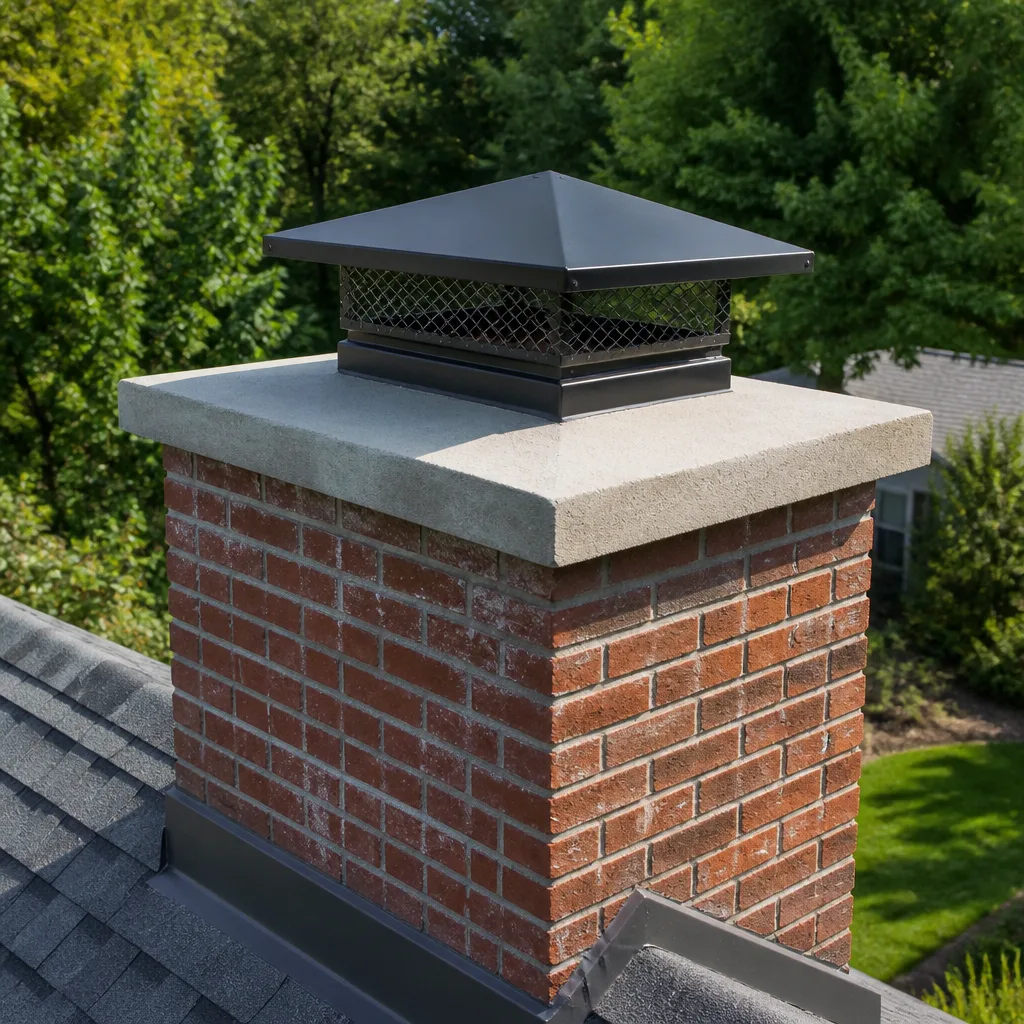 Caps & crowns
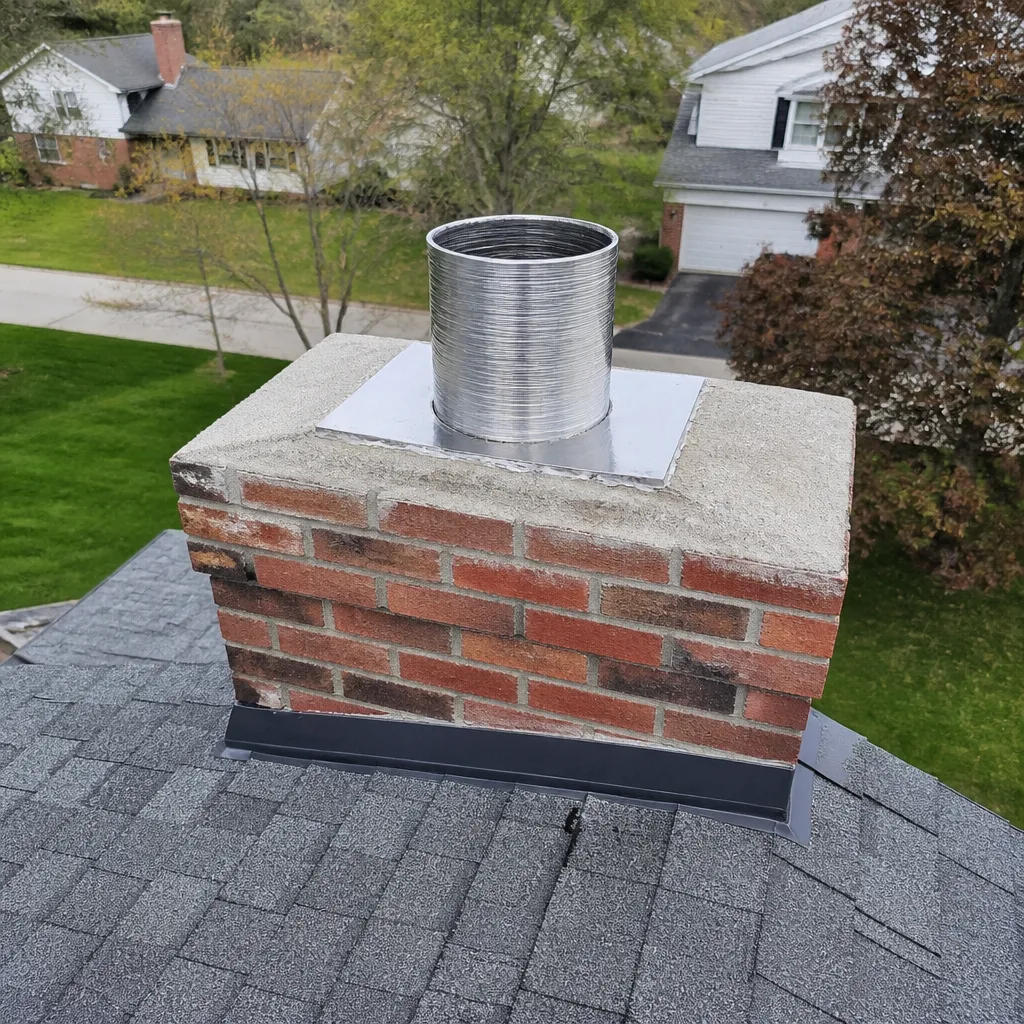 Flue relining
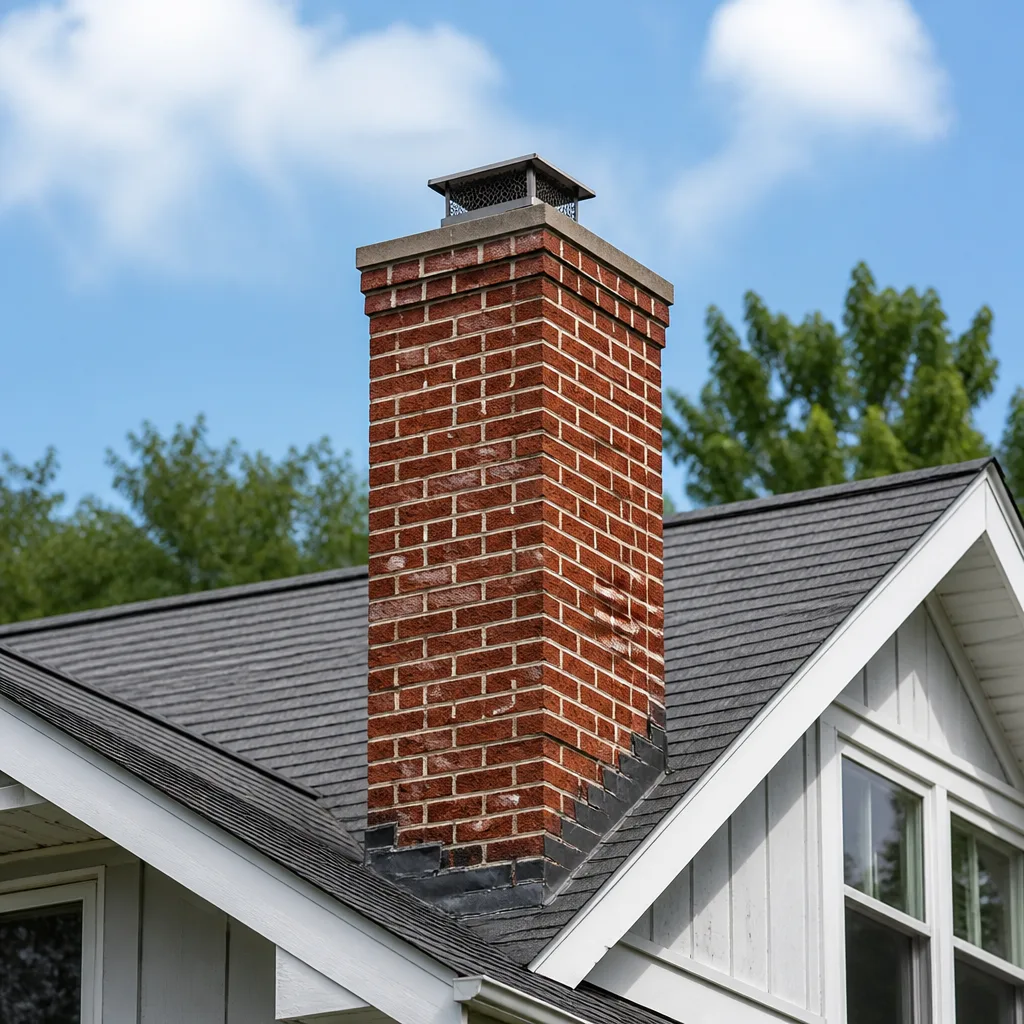 Masonry repair
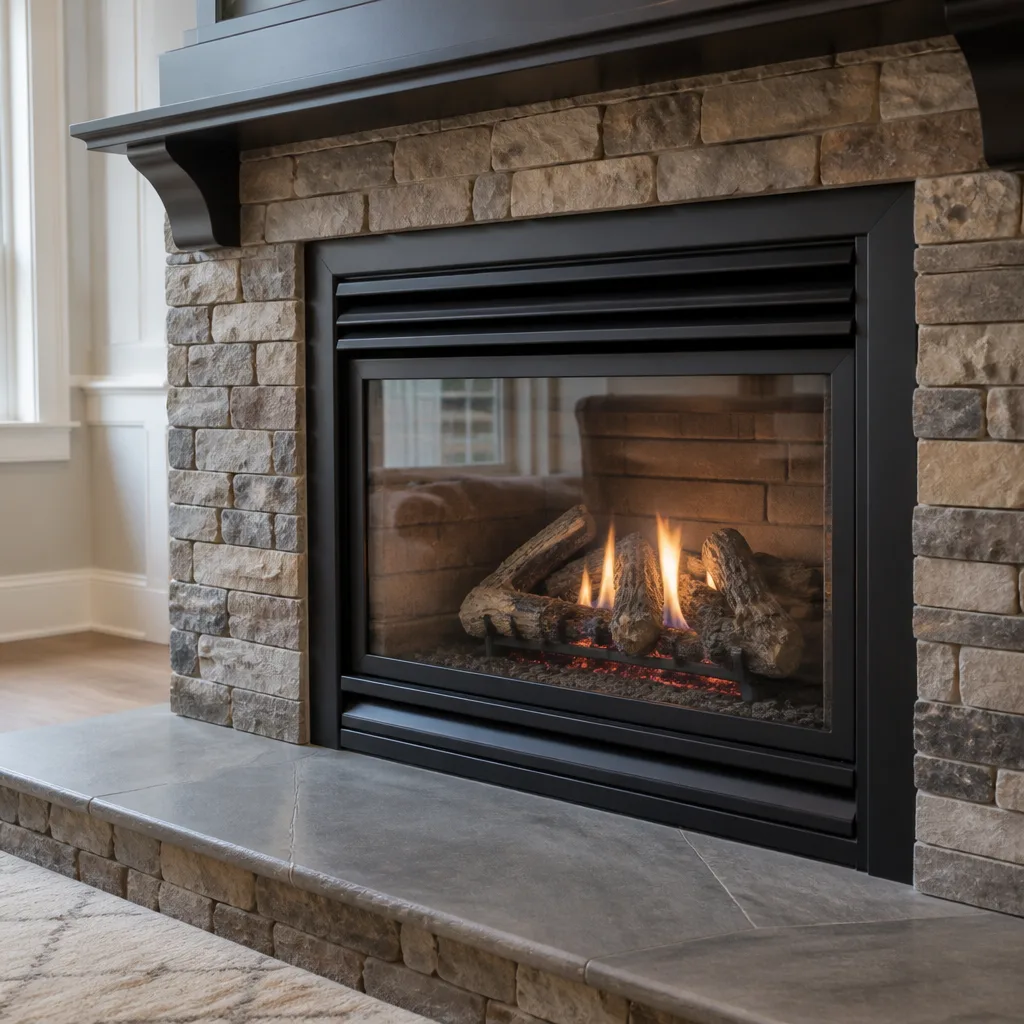 Gas fireplace service
Level 1 sweep and inspection to the NFPA 211 annual standard - flue, crown, cap, and flashing checked and photographed
Chimney sweep logs do not sweep chimneys. They loosen some creosote - which then falls where a brush and vacuum still have to collect it.
Chimney Cleaning Permits, Codes & Inspections in Cleveland, OH: What You Need to Know
Most Cleveland homeowners assume chimney cleaning lives in a code-free zone. Sweep the flue, haul out the creosote, done. No paperwork, no permits, no inspections beyond the one you paid for. That assumption holds right up until a real estate closing, when the buyer’s inspector flags an unpermitted appliance alteration and the deal wobbles over a piece of paper nobody thought to pull. Here’s the part that surprises people: a routine cleaning really doesn’t need a permit. But the moment that cleaning turns up a failed liner, and the fix means replacing the venting system, you’ve crossed a legal line. This guide maps exactly where that line sits in Cleveland, OH.
Quick Answer
Routine chimney cleaning and sweeping in Cleveland, Ohio, does not require a permit. Any work that alters the venting system, including liner installation or replacement, crown rebuilding, firebox repair, or changes to the flue, generally does require a permit from the city or county building authority. NFPA 211 is the technical standard that underlies Ohio’s chimney code, and the written inspection report is the document that proves what was found and what was done.
Styles & brands we work with
- Sweep & inspection
- Caps & crowns
- Flue relining
- Masonry repair
- Gas fireplace service
Table of Contents
- Where Cleveland Draws the Line: Maintenance vs. Alteration
- Ohio Revised Code and Cleveland Building Code for Chimney Work
- How NFPA 211 Underpins Ohio’s Chimney Code
- When a Cleaning Turns Up a Problem That Needs a Permit
- What Pulling a Chimney Permit in Cuyahoga County Looks Like
- What Documentation to Keep After Any Chimney Work
- The Liability of Hiring an Unlicensed Contractor for Structural Repair
- The Three Levels of Chimney Inspection and When Each Applies
Where Cleveland Draws the Line: Maintenance vs. Alteration
The single most useful concept in this whole guide is the distinction between maintenance and alteration. Ohio’s residential code treats a cleaning as maintenance, the same way you’d treat changing a furnace filter. It’s a service performed on an existing system without changing what that system is or how it works. Maintenance is not permitted, not inspected, and doesn’t require a contractor to file anything with the city.
An alteration is different. Anything that changes the venting system’s configuration, materials, or capacity counts. In practical terms, that means:
- Installing a new stainless steel liner inside an existing flue
- Replacing a failed clay tile liner with a cast-in-place or flexible liner
- Rebuilding a chimney crown or the top few courses of masonry
- Repairing or re-pouring a firebox and smoke chamber
- Adding, removing, or relocating a flue or appliance connection
- Converting a wood-burning fireplace to a gas appliance, or the reverse
Cleaning, by contrast, is brushing and vacuuming the flue, removing creosote and soot, and checking that the flue is clear. No permit. An inspection is also not a permitted activity. Neither is a minor cap replacement, in most cases, though the specifics vary by jurisdiction, so it’s worth a call to the Cleveland building department before you assume.
The reason this distinction matters so much in Cleveland is the housing stock. Thousands of homes across neighborhoods like Ohio City, Tremont, and the streets around Detroit-Shoreway have original masonry chimneys that are well past their service life. A cleaning on one of these often turns up a liner problem, which flips the job from maintenance into alteration overnight. When that happens, the contractor has to stop and pull a permit before installing the fix. The homeowners who don’t know this are the ones who get surprised later.
Ohio Revised Code and Cleveland Building Code for Chimney Work
Ohio’s building code is adopted at the state level through the Ohio Revised Code and administered locally. The relevant framework is the Ohio Residential Code, which incorporates the International Residential Code, and the Ohio Mechanical Code, which governs venting. Chimney and vent work falls primarily under the mechanical code, since a flue is a vent for a solid-fuel appliance. The Ohio Board of Building Standards maintains the adopted codes and amends them on a cycle.
Cleveland, like other Ohio municipalities, has the authority to enforce and, within limits, amend the state code for its jurisdiction. In practice, a permit for chimney work in Cleveland goes through the city’s building department, and the required inspections are handled by city inspectors. Cuyahoga County suburbs may have their own processes, and some contract with the county for inspections. If your home sits in Lakewood, Cleveland Heights, Shaker Heights, or another inner-ring suburb, verify who issues the permit before assuming it’s the same as Cleveland proper.
Here’s the working rule we give homeowners: if your job involves anything other than cleaning and inspecting, call the local building authority and ask whether it needs a permit. The answer comes back in a minute or two, and it saves a lot of grief at closing. The Cleveland building department is the starting point for city properties.
What the code actually requires of the chimney itself
Ohio’s adopted code doesn’t care whether a chimney is pretty. It cares about three things: that the flue is sized appropriately for the appliance, that the liner has adequate clearance from combustibles, and that the appliance vents properly. A chimney with a cracked clay liner has lost its code-compliant barrier between fire and framing. A chimney with no liner at all, common in older Cleveland homes built before liner standards tightened, has none of the required protection. This is why a cleaning that reveals a compromised liner isn’t cosmetic. It’s a code problem with a paper trail waiting to happen.
For a closer look at what repair actually involves once you know a permit is needed, our chimney repair page walks through the common failure points in Cleveland’s housing stock.
How NFPA 211 Underpins Ohio’s Chimney Code
NFPA 211, the Standard for Chimneys, Fireplaces, Vents, and Solid Fuel-Burning Appliances, is the technical standard that state and municipal code writers consistently reference when writing chimney rules. Ohio’s adopted code doesn’t reinvent chimney engineering from scratch. Where the code is silent, or where an inspector has to judge whether a chimney is “safe,” NFPA 211 is the standard they consult. It defines the clearance requirements, the liner sizing rules, the inspection levels, and the conditions that make a chimney unsafe to use.
Why does this matter to a homeowner? Because a contractor who can cite NFPA 211 is operating on the same technical ground as the inspector who’ll eventually look at the work. A contractor who sweeps a chimney and can’t tell you what NFPA 211 says about the condition is a brush-and-go operator. The difference shows up when something fails. Both were “cleaning,” but only one understood what the standard requires the chimney to do.
In our experience, the clearest example is liner sizing. A flue that is too large for the appliance loses draft and lets creosote build faster. A flue that’s too small can’t vent the appliance safely. NFPA 211 sets the sizing relationship. A sweep who ignores it can clean a chimney beautifully while leaving it non-compliant. A sweep who follows it will flag the mismatch in the inspection report, and the report is what lets you make an informed decision about repair.
- Level 1 inspection: visual check of accessible chimney components with standard tools, appropriate for a routine cleaning or annual checkup.
- Level 2 inspection: adds a camera scan of the flue interior and inspection of accessible attic, crawlspace, and chimney chase areas, required after a chimney fire, during a real estate transaction, or after an alteration.
- Level 3 inspection: reserved for conditions that warrant opening concealed parts of the chimney or building, used when a Level 2 finds a concern that can’t be investigated otherwise.
These levels come from NFPA 211. If a real estate contract says “chimney inspection,” it usually means Level 2. If a cleaning reveals a problem that a Level 1 couldn’t see, the fix warrants a Level 2.
When a Cleaning Turns Up a Problem That Needs a Permit
The most common scenario we see in Cleveland is a homeowner who booked a routine sweep and got a phone call about a failed liner. The camera scan, part of a proper inspection, found a crack, a disconnected joint, or a gap in the flue tile. Now the job has flipped from cleaning to alteration, and that changes the legal framework.
What happens next, in a correctly run process, looks like this:
- The inspection report documents the condition with photos or camera footage.
- The contractor explains the repair options and whether a permit is required.
- If a permit is required, the contractor (or the homeowner, depending on the jurisdiction and the contractor’s practice) applies with the city or county building authority.
- The permit is issued, work is scheduled, and the contractor performs the permitted work.
- A city inspector reviews the work, and the permit is signed off.
- The homeowner keeps the permit record, inspection sign-off, and contractor documentation in their file.
That last step is the one that saves homeowners at a real estate closing. An unpermitted liner installation with no record trail is a question mark to a buyer’s inspector. A permitted and inspected installation is a documented improvement.
What happens if the permit isn’t pulled
Nothing, until it does. An unpermitted liner installation with no record trail is a question mark to a buyer’s inspector, and it can surface years after the work. A real estate inspector who notices evidence of a liner replacement without a permit may flag it, and the buyer may require the seller to open the wall, verify the installation, or complete the permit retroactively. That conversation is expensive. The permit that would have prevented it costs a fraction of what the repair itself cost. When a chimney sweep turns up a liner problem, the permit is the cheap part of the job.
What Pulling a Chimney Permit in Cuyahoga County Looks Like
The mechanics of a chimney permit vary by jurisdiction, but the general shape is consistent across Cleveland and the surrounding Cuyahoga County communities. Here’s how it typically runs:
- Scope of work. The contractor prepares a written scope: what’s being installed or repaired, materials, and appliance details.
- Application. The permit application goes to the building department with that scope. Some jurisdictions accept online, others require in-person submission.
- Fees. Permit fees are set by the jurisdiction and typically scale with the project value or the scope of work. Your contractor should be able to quote the fee.
- Approval. The building department reviews the application and issues the permit.
- Work and inspection. The contractor performs the work. When the work is complete, the inspector is scheduled to review it.
- Sign-off. The inspector signs off, the permit is closed, and the record exists in the city’s files.
Timelines vary by jurisdiction and season. Cleveland has a lot of older housing stock and a finite number of inspectors, and permit review can take longer in peak construction months. The homeowner’s part is simple: ask who’s pulling the permit, get a copy of the permit number, and make sure the final inspection actually happens. “The contractor said they’d handle it” and “the permit was closed” are different things, and only one of them helps you at closing.
For chimney, liner, and firebox work, the inspecting authority in Cleveland is the city building department. In some suburbs, the county handles it. Ask the person pulling the permit to confirm which authority is involved, because the record needs to be findable years later.
What Documentation to Keep After Any Chimney Work
Your chimney file is a small collection of paper that protects you on three separate fronts: homeowner’s insurance claims, real estate disclosure, and any future contractor’s ability to pick up where the last one left off. Here’s what belongs in it.
- The inspection report. A written report with photos or camera footage of what was found. This is the baseline for future comparisons.
- The scope of work and contract. What was agreed to, in writing, with materials and labor spelled out.
- The permit number and final inspection sign-off. If the work required a permit, you want the paperwork that shows it was issued and closed.
- Brand and material documentation. If a liner was installed, you want the manufacturer’s documentation. Brands like Gelco, Olympia Chimney, and Copperfield provide product documentation that inspectors and insurers recognize, and having it in the file makes a future verification simple.
- Payment records. Boring, but useful. A canceled check or paid invoice establishes when the work was done.
Why this matters in Cleveland specifically: many homes have had multiple rounds of chimney work across several decades, often by different contractors, sometimes without records. When a real estate transaction or an insurance claim asks “what was done and when,” a clean file answers in five minutes. A missing file turns into a camera inspection, a delay, and sometimes a demand to open the chimney to verify. The cost of keeping the paperwork is a folder. The cost of not having it, at the wrong moment, is a re-inspection and a closing delay.
The Liability of Hiring an Unlicensed Contractor for Structural Repair
Ohio doesn’t have a single statewide chimney contractor license, but it does license contractors in several trades and regulates home improvement contractors under the Ohio Home Construction Service Suppliers Act. The practical point for a homeowner: structural chimney repair is plumbing-adjacent, fire-safety-adjacent work, and hiring someone who isn’t properly licensed, bonded, and insured creates a specific set of exposures.
The largest is the insurance question. If your home suffers a chimney fire, and the eventual investigation finds that a liner or firebox repair was done by an unlicensed contractor without a permit, the insurer’s response can be less cooperative. At minimum, the claim gets complicated. At worst, the insurer may take the position that the alteration was not to code and the homeowner bears more of the loss. That’s not a hypothetical. It’s a pattern that shows up in claims handling, and it’s the reason construction codes exist in the first place.
The second exposure is the contractor’s insurance. If an unlicensed contractor causes a fire or a structural failure, and they don’t carry liability coverage, the homeowner’s own policy is the next stop. That’s a bad place to be.
The third is the permit. An unlicensed contractor can’t pull a legitimate permit for work they aren’t licensed to perform. So the job gets done without one, and the documentation is missing at closing.
Before hiring anyone for structural chimney work, ask for the license, the insurance certificate, and confirmation that they’ll pull the permit for permitted work. If a contractor pushes back on any of those, that’s the answer.
The Three Levels of Chimney Inspection and When Each Applies
NFPA 211 defines three inspection levels, and knowing which one your situation calls for prevents both overpaying and under-inspecting. A routine annual checkup is a Level 1. A real estate transaction, a chimney fire, or a significant alteration calls for a Level 2. A Level 3 is reserved for the rare case where the chimney’s hidden components need to be opened up to investigate.
- Level 1. A visual inspection of readily accessible components with standard tools. Adequate when the chimney is under routine maintenance and no changes have occurred.
- Level 2. Everything in Level 1 plus a video camera scan of the flue interior and access to concealed areas. Required after a chimney fire, during a real estate transaction, and after an alteration of the system.
- Level 3. Everything in Level 2 plus opening concealed parts of the building, used when a Level 2 identified a concern that can’t be investigated otherwise.
At Shoreline Chimney Sweep, we include camera inspection and a photo report with our sweeps so the homeowner can see what we see. That’s not a sales tactic. It’s the documentation standard that makes permit conversations, insurance claims, and real estate closings go smoothly. A chimney file that includes a Level 2 inspection with photos is a file that answers questions instead of raising them.
One practical note: if a real estate contract specifies a “chimney inspection,” that usually means a Level 2. Ask the inspector to confirm the level in writing, and get the report on letterhead. Real estate attorneys and insurers respond better to a documented Level 2 than to a text message.
Common Mistakes to Avoid
- Assuming a cleaning and a repair are the same thing. Cleaning is unpermitted maintenance. Liner installation, crown rebuilding, and firebox repair are permitted alterations. Confusing them is the most common path to an unpermitted job in Cleveland.
- Skipping the permit because “it’s just a liner.” On paper, a liner sounds modest. In reality it’s a change to the venting system, and it’s precisely the kind of alteration the code cares about.
- Trusting a verbal scope of work. Get it in writing with materials and labor spelled out. In Cleveland’s older homes, “we’ll see what we find” is a recipe for a surprise on the invoice.
- Letting a contractor handle the permit without confirming the final sign-off. A permit that’s issued but never closed is an open item that shows up at closing.
- Hiring a generalist with a brush. A multi-trade contractor who sweeps as a side service may not know NFPA 211’s liner sizing rules, and a liner installed without matching the appliance is a future problem with a permit attached.
- Not keeping the report. The inspection report is the single most useful document in your chimney file. Losing it means paying for another inspection next time you need to prove the chimney’s history.
- Ignoring a “minor” flue crack. A small crack in a clay tile liner is a small break in the fire barrier. It doesn’t get smaller with use. It gets bigger, and the eventual repair gets bigger with it.
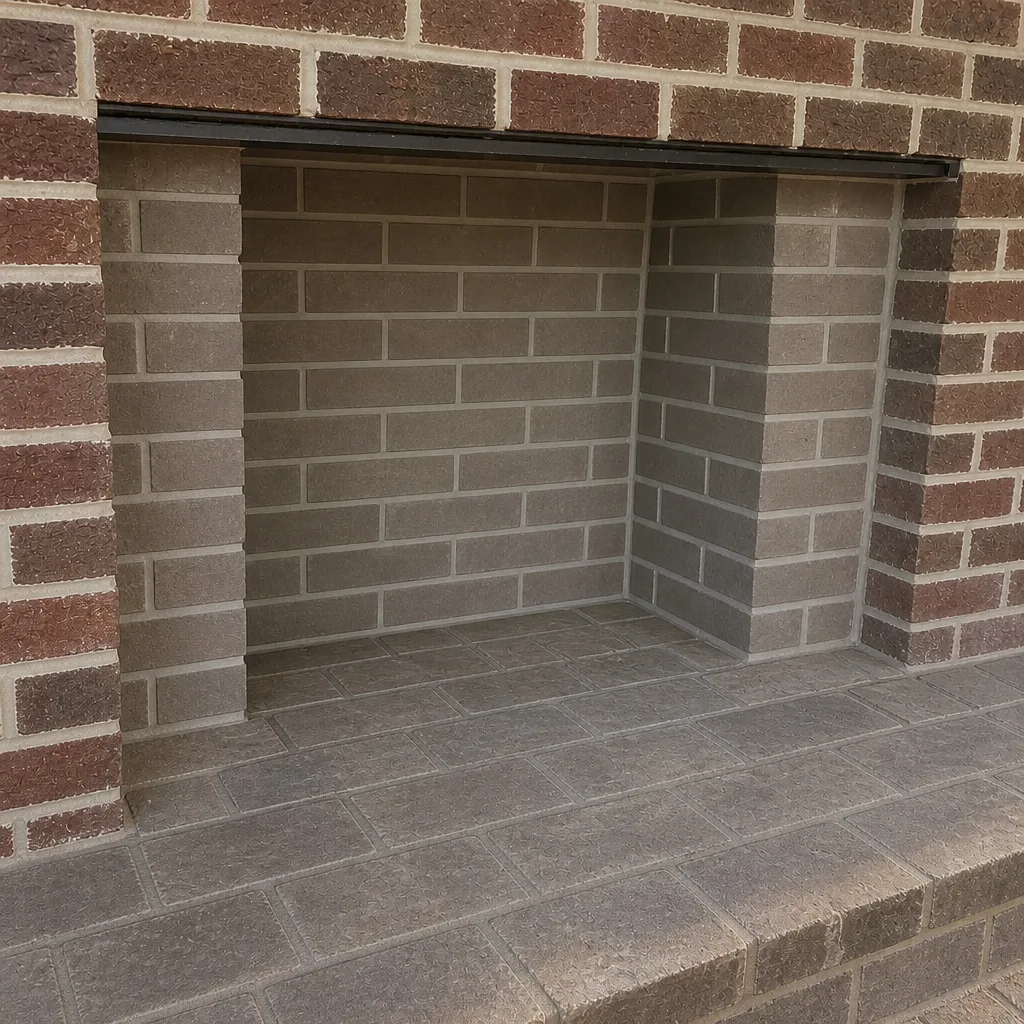
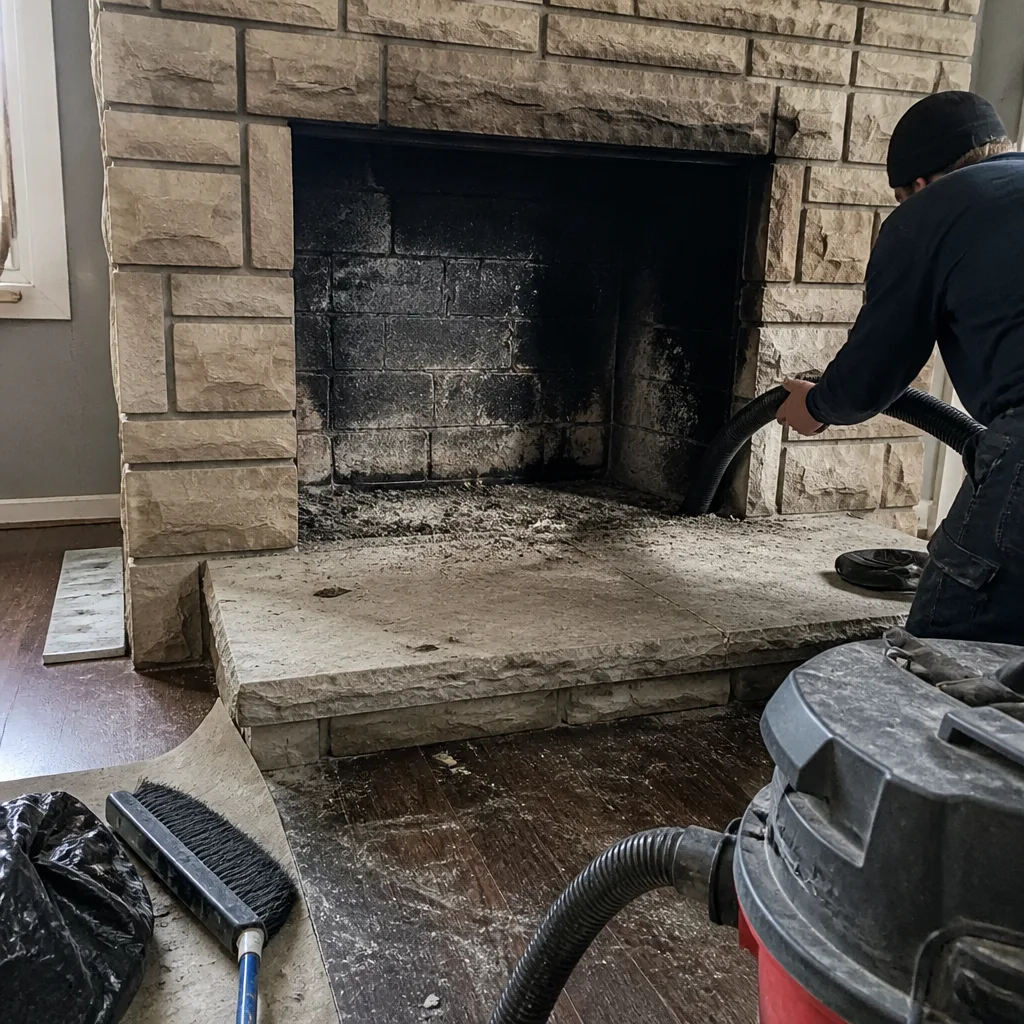
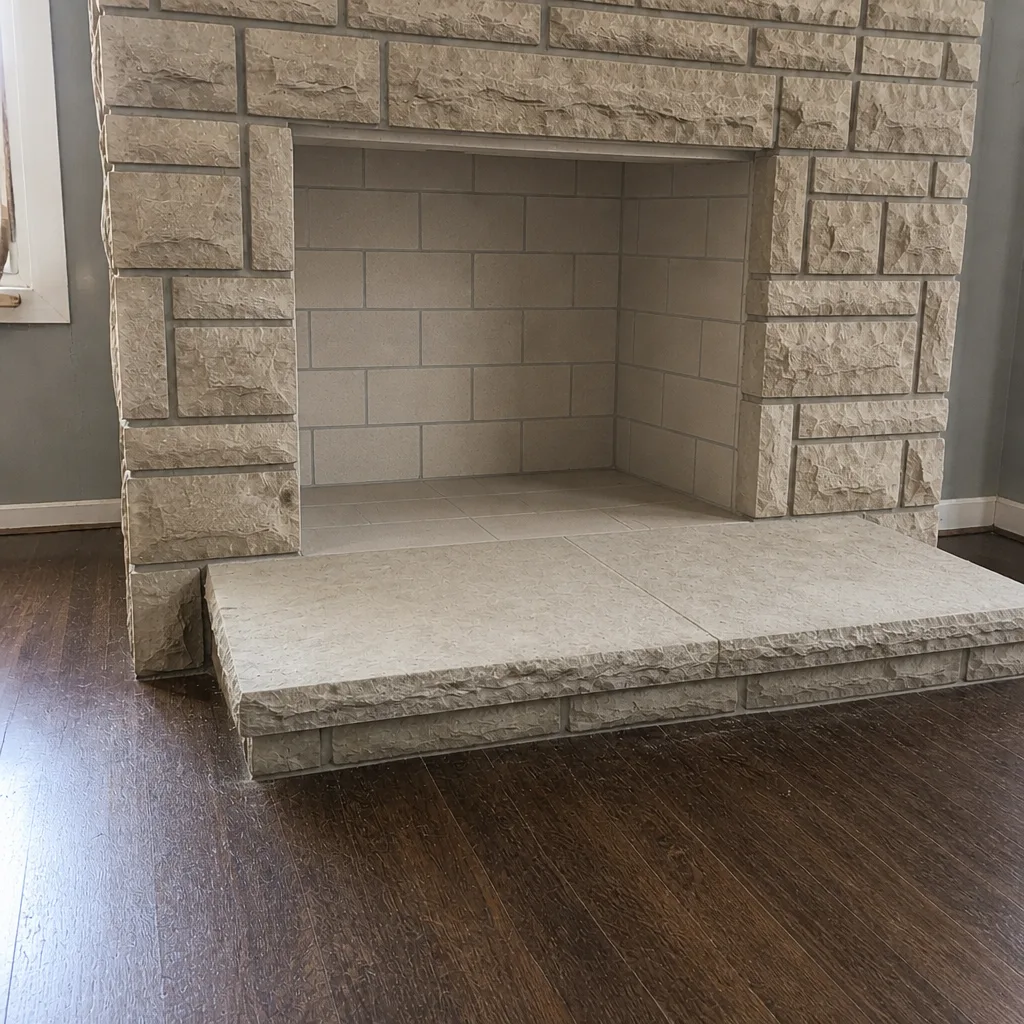
See the difference
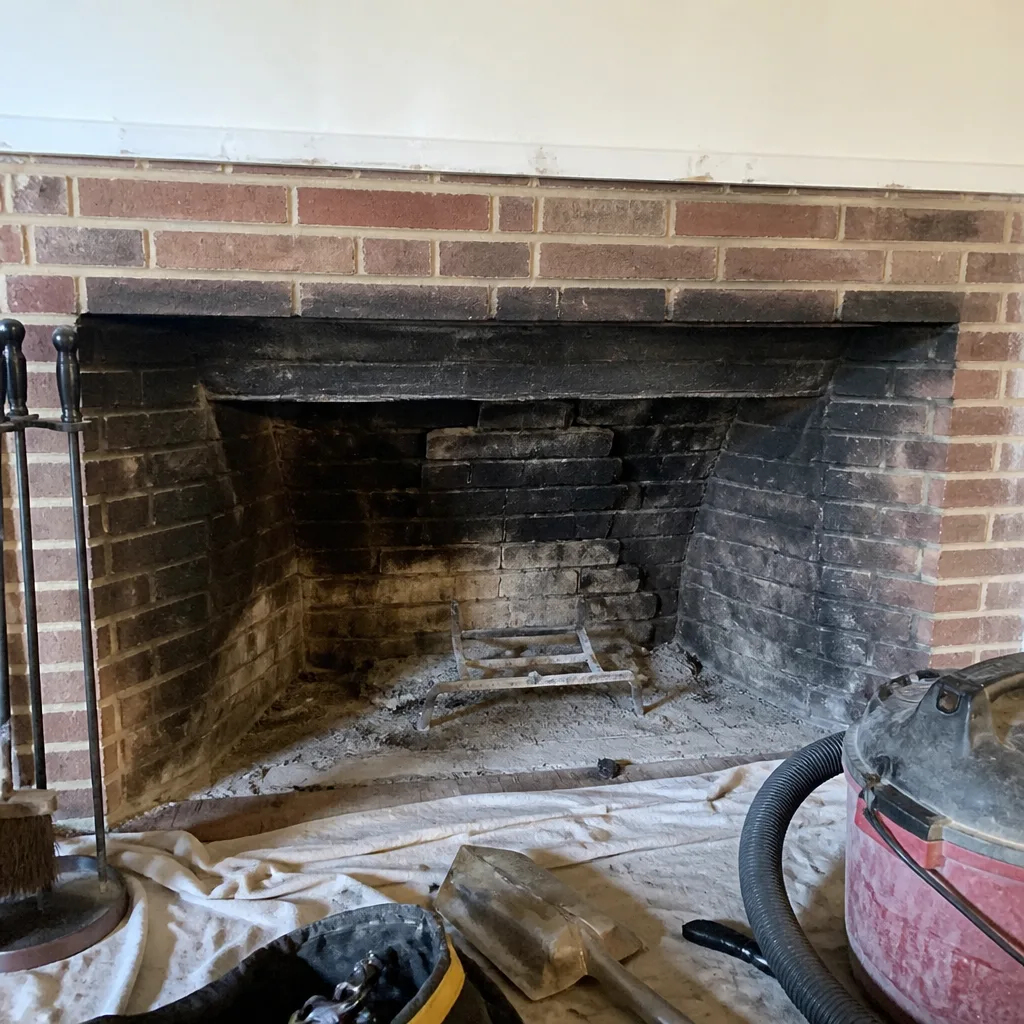 Before
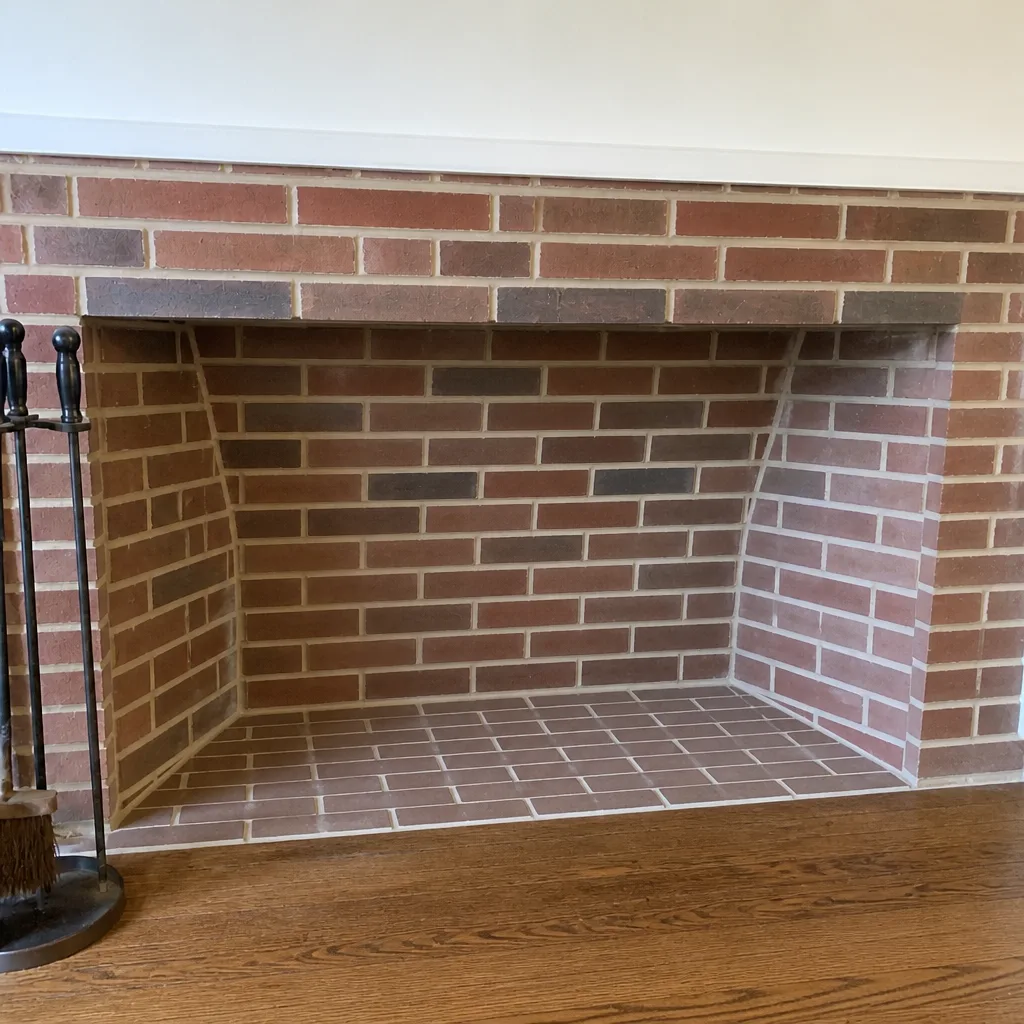 After
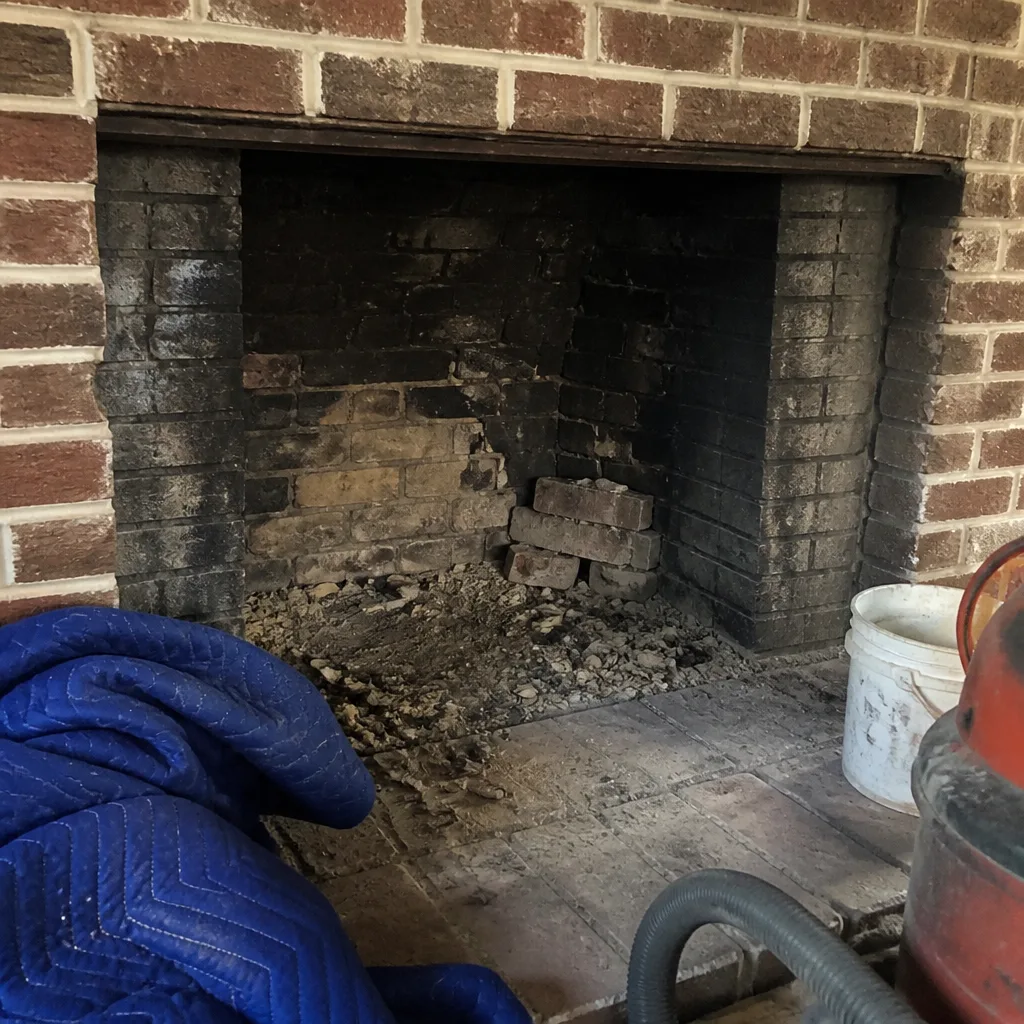 Before
 After
 Before
 After
When to Call a Professional
Call a professional when a cleaning reveals a condition that needs repair, when your annual inspection is overdue, when you’ve moved into a Cleveland home and don’t know the chimney’s history, or when a real estate transaction requires a Level 2 inspection. Call when you smell smoke in the house with the damper open, when the fire doesn’t draft, or when you’ve had a chimney fire, even a small one. Call when you’re not sure whether the last contractor was licensed, bonded, and insured, or whether the last repair was permitted. Those are the moments when a documented inspection and a written report can save you thousands and prevent a real safety problem. Shoreline Chimney Sweep offers free estimates in Cleveland. We answer 24/7. Fast dispatch from 7am to 7pm, Sunday through Friday. Call (844) 962-2617.
Frequently Asked Questions
No. A routine chimney cleaning is classified as maintenance in Cleveland and Ohio, and it doesn’t require a permit. The permit requirement kicks in when the work becomes an alteration, such as liner installation or replacement, crown rebuilding, or firebox repair. Call (844) 962-2617 for a free estimate and an inspection that tells you which category your job falls into.
A Level 1 inspection is typically bundled with a cleaning in Cleveland, and a Level 2, which includes a camera scan, is a standalone service usually priced higher than a Level 1 because of the additional scope. We set the price per job by written estimate, and the estimate is free. Call (844) 962-2617 for an exact quote on your chimney.
The job becomes an alteration and requires a permit before the liner is replaced. A proper inspection report documents the crack with photos so the homeowner can verify the condition and decide on the repair. We work with professional-grade liner systems like Gelco and Copperfield to match the liner to your appliance and flue. Call (844) 962-2617 to talk through the options.
For liner replacement, crown rebuilding, smoke chamber repair, and firebox work, no. Those are permitted alterations under Cleveland’s adopted code. Small cosmetic repairs may not require a permit, but the specific answer depends on the scope, so confirm with the city building department before assuming. Call (844) 962-2617 if you’d rather have a contractor walk you through it.
Keep the inspection report with photos, the scope of work and contract, the permit number and final inspection sign-off, the manufacturer’s documentation for any liner or materials installed, and payment records. This file protects you on homeowner’s insurance claims, real estate disclosure, and future repair decisions. Call (844) 962-2617 for a free estimate and an inspection that starts the file.
A buyer’s inspector will flag an unpermitted alteration, and the transaction can be delayed or renegotiated while the permit, the inspection, or an opened-up wall is sorted out. A Level 2 inspection during a real estate transaction catches this early, while there’s time to remediate. Call (844) 962-2617 to book a Level 2 inspection before you list.
The Bottom Line
Cleaning doesn’t need a permit. Liner installation, crown rebuilding, smoke chamber repair, and firebox work do. That’s the line Cleveland draws, and it’s the line Ohio’s adopted code enforces. The technical standard underneath it, NFPA 211, is what an inspector will use to judge whether the work was done correctly. The written inspection report, the permit record, and the manufacturer’s documentation for your materials are what protect you at a closing, in an insurance claim, and years down the line. If you’re facing a chimney repair in Cleveland, OH, and you’re not sure which side of the line you’re on, call a specialist. We answer 24/7. Fast dispatch from 7am to 7pm, Sunday through Friday. Call (844) 962-2617 for a free estimate.
Written by the team at Shoreline Chimney Sweep.