
Last updated November 15, 2026
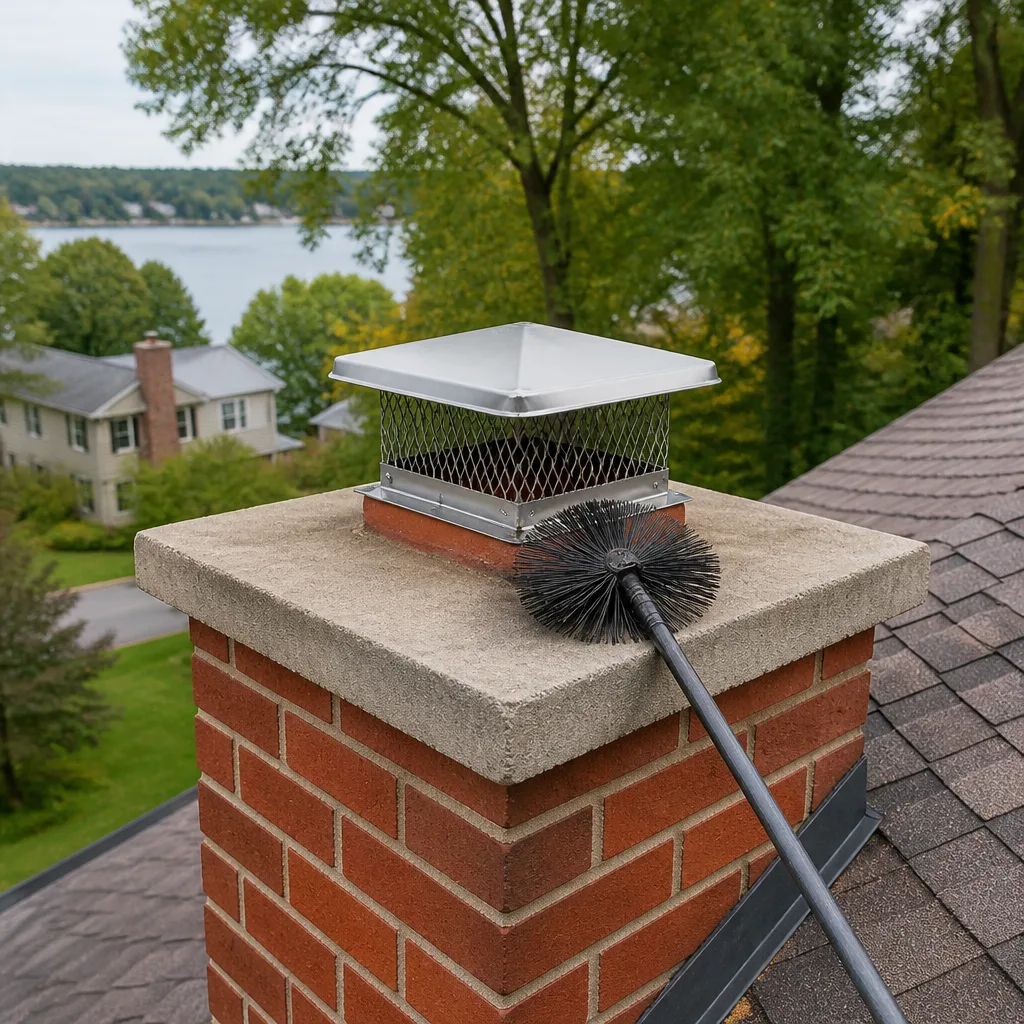 Sweep & inspection
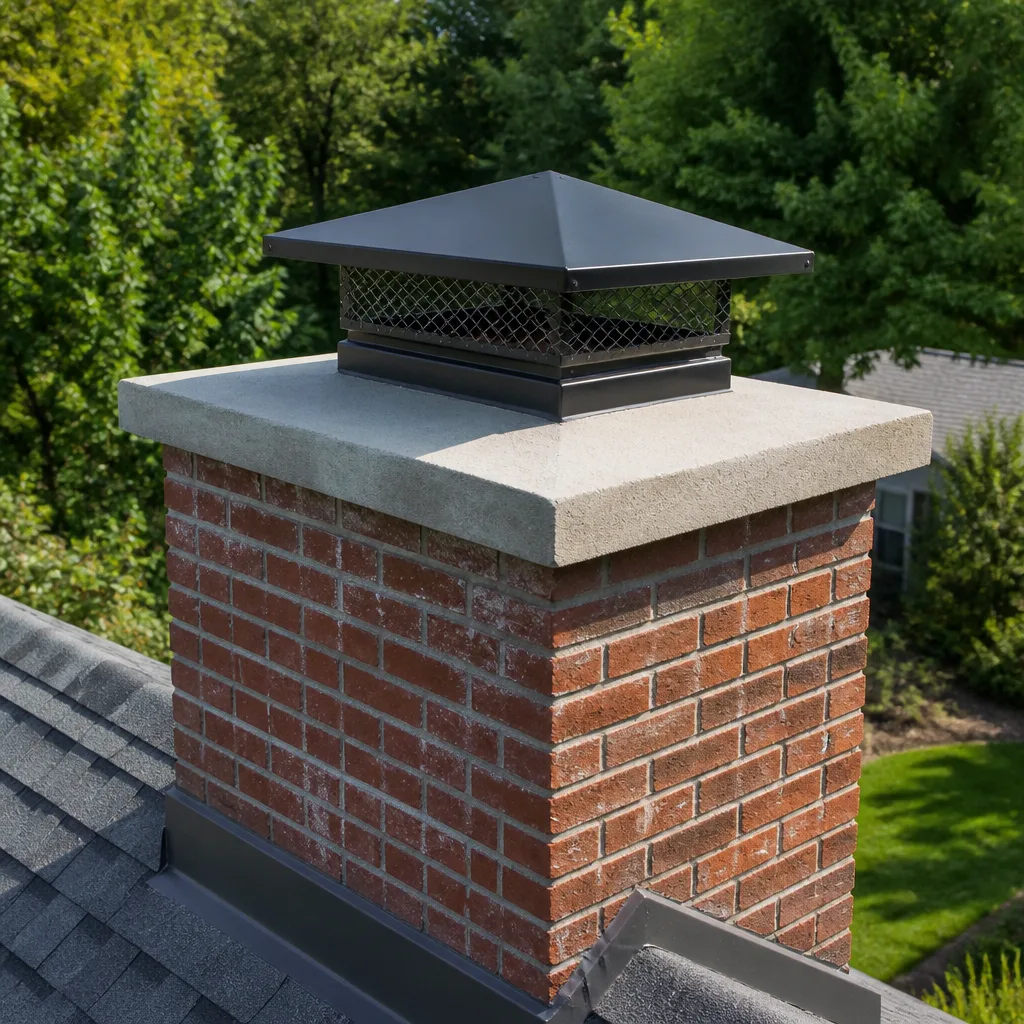 Caps & crowns
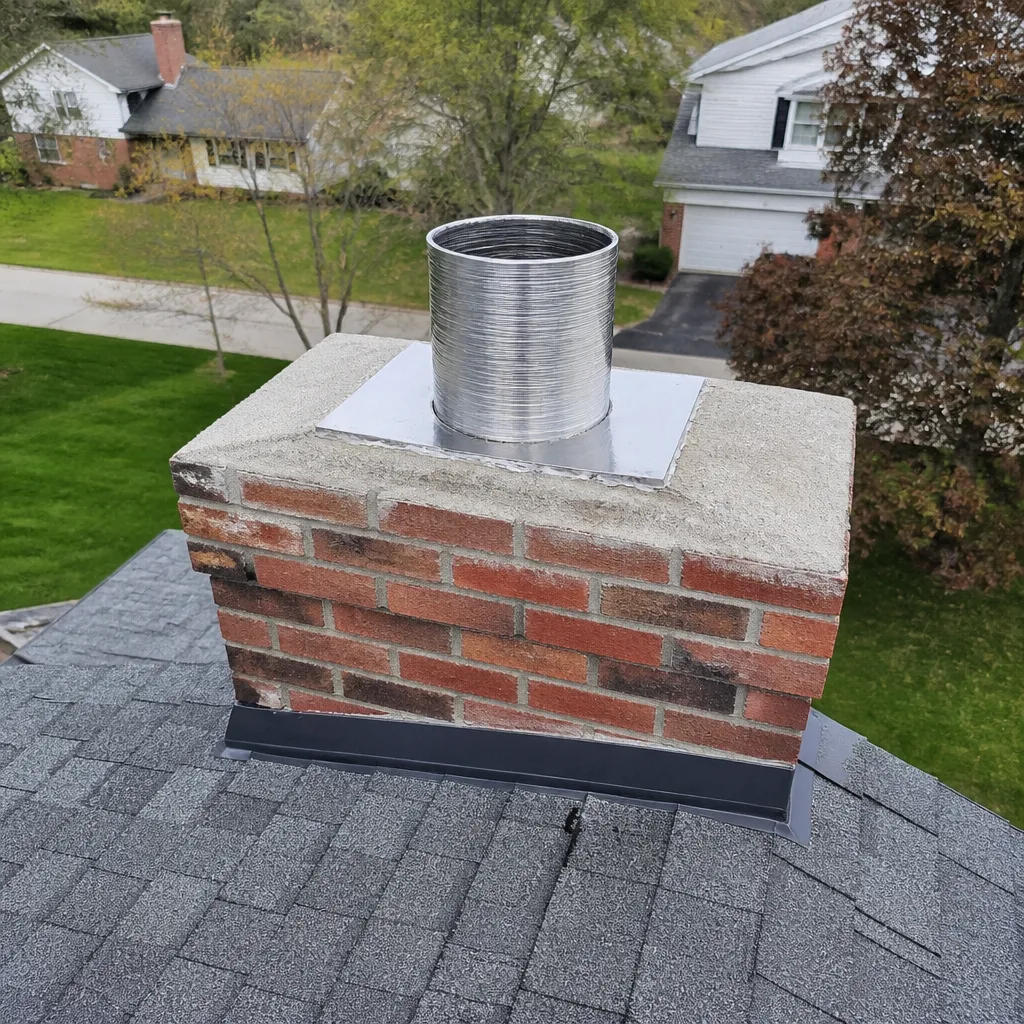 Flue relining
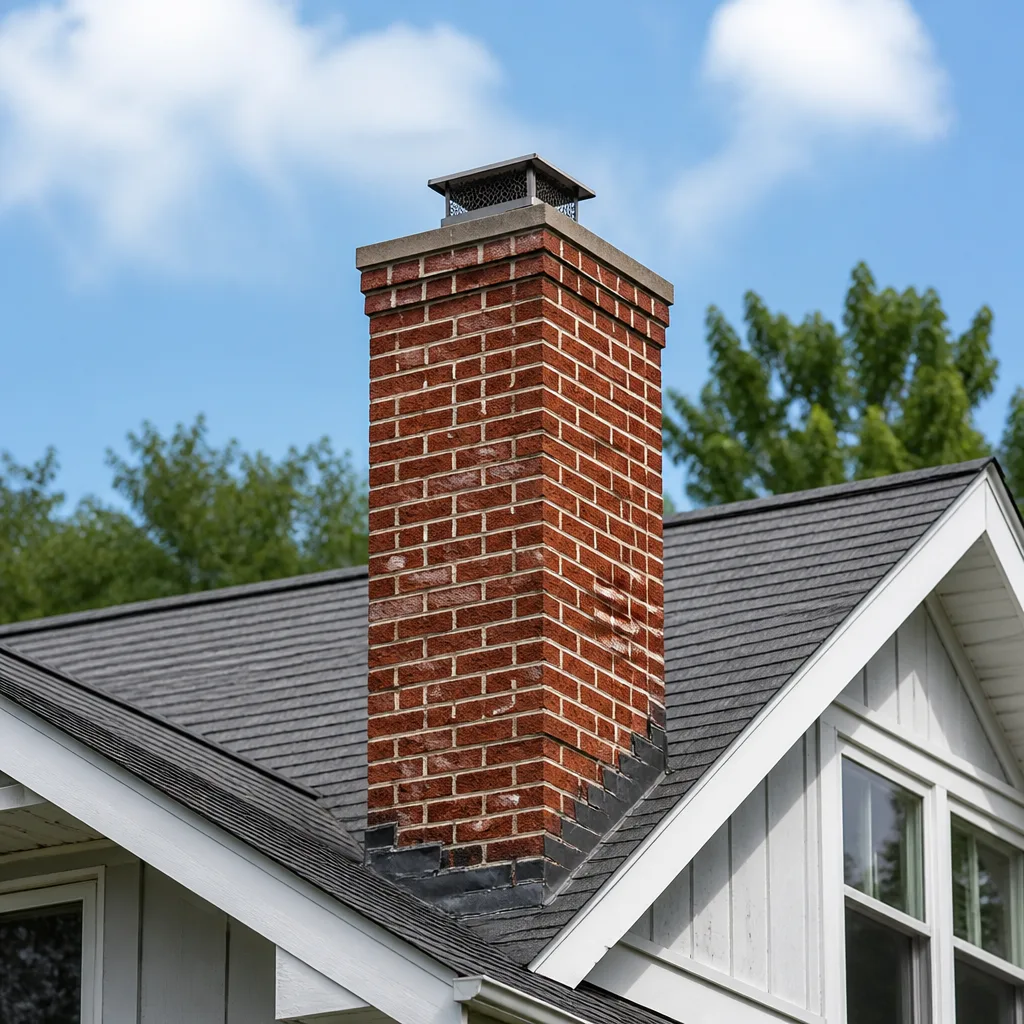 Masonry repair
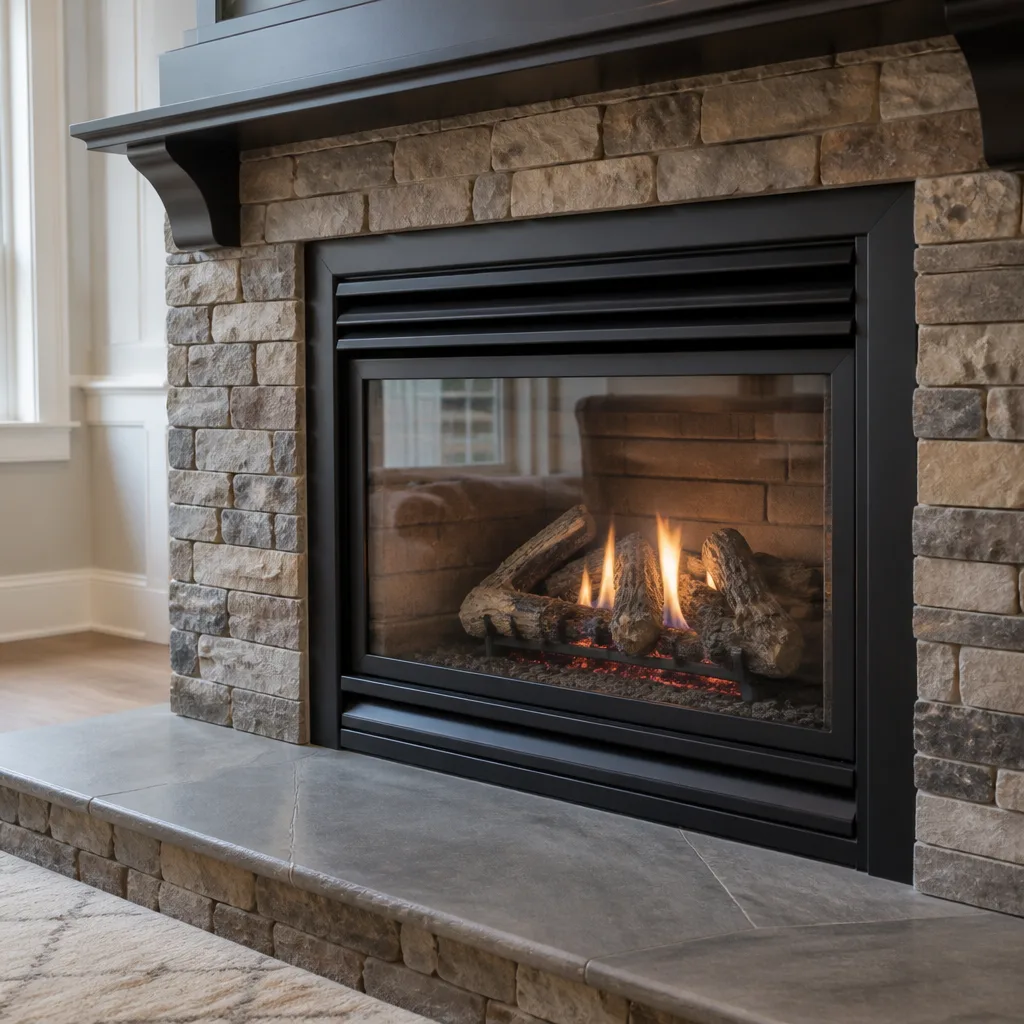 Gas fireplace service
Level 1 sweep and inspection to the NFPA 211 annual standard - flue, crown, cap, and flashing checked and photographed
Chimney sweep logs do not sweep chimneys. They loosen some creosote - which then falls where a brush and vacuum still have to collect it.
Chimney Inspection Maintenance Checklist for Cleveland Homeowners
The most common deferred repair we see on inspection reports for Cleveland homes is a cracked clay flue tile, and it usually gets written up as “monitor annually.” That phrase tells a homeowner nothing about whether it’s safe to light a fire in October. A maintenance checklist only earns its keep if it explains what each finding actually means, in plain language, with a severity you can act on. This guide walks through every component a chimney inspector examines, describes what good, marginal, and failed look like for each one, and tells you which items you can reasonably check yourself versus which need a camera and a trained eye. You’ll finish with enough vocabulary to have an informed conversation about your own chimney.
Quick Answer
A chimney maintenance checklist for a Cleveland home should cover the firebox floor, smoke chamber, damper, flue liner, crown, flashing, and exterior masonry, with each item rated good, marginal, or failed so you know what can wait and what can’t. You can observe the crown, cap, and staining yourself from the ground, but liner fractures and smoke chamber corbeling require a camera inspection by a trained technician. Get a Level 1 inspection annually and a Level 2 inspection whenever the appliance changes, a chimney is damaged, or a property changes hands.
Styles & brands we work with
- Sweep & inspection
- Caps & crowns
- Flue relining
- Masonry repair
- Gas fireplace service
Table of Contents
- Why a Severity Rating Matters More Than the Checklist Itself
- The Component-by-Component Checklist: Good, Marginal, Failed
- Cleveland-Specific Items: Wet Springs, North Walls, and Ice Storms
- What You Can Check Yourself vs. What Needs a Camera
- How to Document Findings With Photos So Years Can Be Compared
- Level 1 vs. Level 2 Inspections: What Triggers the Higher Standard
- How Often a Cleveland Chimney Needs Sweeping and Why
- When to Call a Professional
Why a Severity Rating Matters More Than the Checklist Itself
Any inspection checklist can list twenty items. What most homeowners actually need is a way to sort those twenty items into three buckets: fine, keep an eye on it, and stop using the fireplace until this is fixed. Without that sorting, a report full of “monitor annually” notes turns into decision paralysis, and the typical result is that nothing gets done. We’ve seen plenty of Cleveland chimneys where the one genuinely urgent item, a failed crown letting water into the masonry, was buried between two cosmetic observations.
Here’s the severity scale this guide uses. It’s the same plain vocabulary we use when we walk a homeowner through what we found:
- Good – Component is intact and doing its job. No action beyond the annual check.
- Marginal – Component is degraded but not currently a hazard. It should be watched and planned for, typically on a timeline measured in seasons rather than years.
- Failed – Component is no longer performing its function. This is a stop-use item or an immediate-repair item, depending on which component it is.
Severity isn’t the same as cost. A marginal crown can cost more to defer than a failed damper costs to replace, because water damage compounds. The rating tells you how urgent the work is, not what it costs. We’ll get to the components in a moment. First, it helps to understand that a chimney is a system, and the parts that fail first in Cleveland’s climate are usually the ones exposed to weather, not the ones exposed to fire. Shoreline Chimney Sweep inspects the whole system, not just the flue, for exactly this reason.
The Component-by-Component Checklist: Good, Marginal, Failed
Work through this list top to bottom. It follows the path a fire takes, then moves outside. For each component we describe what good, marginal, and failed look like in plain terms so you can match what the inspector reports against something concrete.
1. Firebox Floor
The firebox floor takes the direct heat of every fire and is the first place brick begins to spall and crack. Good: solid brick with tight joints and no visible gaps. Marginal: hairline cracks and light surface spalling that don’t yet expose the mortar behind the brick. Failed: brick that has cracked through, mortar joints that have receded more than a quarter inch, or a firebox floor that has visibly dropped or shifted. A failed firebox floor is a stop-use item because heat and embers can reach material that wasn’t designed to contain them.
2. Smoke Chamber
The smoke chamber is the sloped space just above the damper that funnels smoke into the flue. It’s the most-missed component in a basic sweep because you can’t see it without a camera. Good: smooth, parged walls that funnel smoke efficiently. Marginal: rough corbeled brick with some buildup that slows draft but doesn’t reverse it. Failed: corbeling so rough that smoke curls back into the room, or cracks that let smoke into the wall cavity. Marginal and failed smoke chambers are where liner restoration and smoke chamber parging come in, and this is genuinely camera territory.
3. Damper
The damper is the door between the firebox and the chimney. Good: opens and closes fully, seats flush, moves without binding. Marginal: sticks or doesn’t seal perfectly but still opens and closes. Failed: rusted open, rusted shut, or missing entirely. A failed-open damper wastes heat all winter and lets cold air and moisture into the flue; a failed-shut damper means you can’t burn at all. Damper replacement is a straightforward repair and one of the first things we check.
4. Flue Liner
The liner is the interior wall of the chimney. In Cleveland, that’s usually clay tile in older homes and a metal liner in newer ones or after a previous relining. Good: unbroken clay tiles with sound joints, or a continuous metal liner with no visible separation. Marginal: small cracks or gaps at joints that haven’t yet exposed the surrounding masonry. Failed: cracked or missing tiles, gaps large enough to let heat reach the surrounding structure, or a metal liner that has separated or burned through. A failed liner is the classic stop-use finding. We’ll explain the liners we install in the relining section below.
5. Crown
The crown is the sloped concrete cap at the top of the chimney. It’s the single most weather-exposed component and in Cleveland the one most likely to fail first. Good: intact concrete with a crisp edge and a slight slope away from the flue. Marginal: hairline cracks that haven’t yet widened or reached the flue opening. Failed: cracks wide enough to admit water, spalling concrete, or a crown that has separated from the flue wall. A failed crown is the beginning of nearly every water-damage story we see.
6. Flashing
Flashing is the metal seal where the chimney meets the roof. Good: tight, continuous, sealed corners with no gaps. Marginal: old sealant or slight separation at one corner. Failed: gaps at any corner, flashing pulled away from the chimney or roof, or rusted-through metal. A failed flashing is a water entry point and shows up as staining on the ceiling below long before it’s obvious on the roof.
7. Exterior Masonry
Good: joints full and tight, brick faces intact. Marginal: mortar joints receding up to a quarter inch, minor spalling, some surface staining. Failed: joints receded past a quarter inch, brick faces flaking or crumbling, or leaning. Failed exterior masonry is a structural item and shouldn’t wait through another freeze-thaw cycle.
This covers the seven components in the order we inspect them. A technician walks the whole list during a chimney sweep appointment and the inspection that accompanies it, so nothing gets skipped.
Cleveland-Specific Items: Wet Springs, North Walls, and Ice Storms
Cleveland’s climate creates three recurring problems that a general checklist written for a dry climate will miss entirely. If your inspection only uses a national template, you’ll want to ask about these directly.
Efflorescence after a wet spring. Efflorescence is the white, powdery staining that appears on interior brick and masonry when water moves through it and evaporates on the surface, leaving mineral deposits behind. In Cleveland, a wet spring followed by a warm early summer is when it shows up, on fireplace surrounds, on the brick near the damper, and occasionally on the ceiling above the firebox. It’s not a cosmetic issue. Active efflorescence means water is moving through the masonry right now, and it usually points back to a failed crown or flashing. Look for it in May and June; if it appears, get the source found before another freeze.
Mortar joints on north-facing chimney walls. North walls get less direct sun and stay damp longer, so they take more freeze-thaw cycles than east, south, or west walls on the same chimney. That’s why a single chimney can have a tight, intact south face and a north face where every third mortar joint has receded. When you look at the chimney from the ground, note which wall is north. That’s the perimeter to check with a closer eye, and the one inspectors should focus on.
Cap integrity after ice storms. A chimney cap is the metal or mesh guard over the flue opening. Ice storms and heavy wet snow can bend, lift, or remove a cap, and a missing cap lets water, snow, and wildlife straight into the flue. Check the cap from the ground after any ice or heavy wet snow. If the cap has lifted, shifted, or is simply gone, that’s a repair item even if the chimney itself is fine.
These three items are why Cleveland inspections run a little longer than inspections in milder climates. Homeowners in Cleveland know their chimneys take real weather. Our technicians have up to experience with exactly this set of conditions.
What You Can Check Yourself vs. What Needs a Camera
This is where most guides either invent a heroic list of DIY checks or pretend you can’t look at your own chimney at all. Neither is right. There’s a clear line between what a homeowner can reasonably observe and what requires a trained technician with a camera, and it’s worth knowing exactly where that line sits.
What You Can Check Yourself (From the Ground)
- Crown condition. Any visible crack, spalling, or separation between crown and flue is worth photographing and reporting.
- Cap presence and condition. Missing, bent, or lifted caps are visible from the ground. Check after any ice or heavy snow.
- Visible staining. White efflorescence on interior brick, dark staining on exterior brick, and water stains on the ceiling or chimney surround.
- Mortar on the north-facing wall. A pair of binoculars shows receding joints well enough to flag a concern.
- Smell and downdraft. Strong smoke smell in the house when the fireplace isn’t in use is worth reporting. It can indicate a blockage or a draft problem.
- Damper operation. The damper you can reach and operate yourself. Note if it sticks or won’t seal.
What Requires a Camera or a Technician
- Liner fractures. Clay tile cracks and gaps at joints are only reliably visible with a camera run through the flue.
- Smoke chamber corbeling. The smoke chamber is above the damper and inside the chimney; it needs a camera to see clearly.
- Creosote depth and distribution. Whether the buildup is at stage 1, 2, or 3, and where it’s concentrated, needs a camera and a trained eye.
- Flashing condition on the roof. The corners and hidden edges of flashing aren’t visible from the ground.
- Hidden masonry voids. Voids behind brick, which affect structural integrity, need a technician’s assessment.
The rule is straightforward. Anything requiring you to get on the roof or reach inside the flue is technician work, not homeowner work. Chimney work is fall-and-fire work, and a homeowner observation followed by a technician inspection is the safest sequence.
How to Document Findings With Photos So Years Can Be Compared
Here’s a practice almost every homeowner skips, and it’s the one thing that makes a maintenance checklist useful across years instead of just once: photograph the findings, in a consistent way, so next year’s photos can be compared to this year’s side by side. Without that comparison, you’re relying on memory of a verbal report from twelve months ago.
Set up a simple system. The photos below are the ones we suggest every homeowner take during or immediately after an inspection, whether they do the inspection themselves or a technician does it.
- Standing back from the chimney. One wide shot of the full chimney from a fixed spot, noted in your record so you can stand in the same place each year. This catches leaning, spalling, or major change.
- The crown and cap. One photo of the top, taken from a safe vantage point or by the technician from the roof. Note the date.
- The north face. A close photo of the mortar joints on the north-facing wall, since this is the face that changes fastest in Cleveland.
- The firebox floor. One photo of the firebox floor and lower firebox wall, straight on, so the same section appears in every year’s shot.
- The interior staining. Any efflorescence or staining on the interior brick, photographed around the same time each year to catch recurrence.
- The inspection report and camera footage. Keep the written report and any camera inspection photos in a labeled folder by date. Every year should have a folder.
The point isn’t photography for its own sake. A maintenance record with dated photos is the fastest way for a technician to see what’s changed. It also removes the guessing that comes with a “monitor annually” note, because you can see the crown crack widened or the efflorescence returned. When we sweep and inspect a chimney in Cleveland, we leave the homeowner a report they can compare to last year’s, and it makes the next conversation much shorter.
Level 1 vs. Level 2 Inspections: What Triggers the Higher Standard
Chimney inspections are standardized, and there are three levels. The first two are the ones Cleveland homeowners actually encounter.
Level 1 Inspection
A Level 1 inspection covers all readily accessible portions of the chimney and its connections, with the appliance in its usual condition. No camera is run through the flue, and nothing is disassembled. It’s the inspection that accompanies an annual sweep, and it’s the right choice for a chimney that has had no changes and is in routine use.
Level 2 Inspection
A Level 2 inspection adds a camera inspection of the flue and covers accessible portions of the chimney’s exterior and interior, including attics, crawl spaces, and any area accessible without destructive investigation. It’s the inspection that will actually find a liner fracture or smoke chamber corbeling.
What Triggers a Level 2 Inspection
The triggers are specific, and in our experience Cleveland homeowners most often meet one of them without realizing it:
- A change of property ownership. When a Cleveland home sells, a Level 2 inspection is the appropriate standard, and it’s routine in real estate transactions in this market. Buyers and sellers both benefit from a camera inspection at the point of handoff.
- A change in the appliance or fuel type. Replacing a fireplace, converting to a gas insert, or adding a wood stove changes what the flue needs to handle.
- An event that may have damaged the chimney. A chimney fire, a lightning strike, an earthquake, or a severe storm. Ice storms and heavy wet snow count.
- A change in operational performance. If the fireplace drafts differently, smells different, or shows new staining, a Level 2 inspection is the appropriate standard.
If a home is changing hands in Cleveland and no inspection has been done, the Level 2 is the standard to ask for. The difference between the two levels is not marketing; it’s whether a camera actually goes up the flue. That’s the difference between finding a liner fracture and missing it. If you’re buying or selling and want the camera inspection done before a closing, we can book a chimney repair evaluation through the same appointment.
How Often a Cleveland Chimney Needs Sweeping and Why
Most chimneys should be swept once a year, and a Cleveland chimney that sees regular winter use is no exception. The annual sweep and inspection together are what keep creosote from reaching a dangerous depth and catch crown and liner problems before they compound.
How often a chimney actually needs sweeping depends on three things: how much you burn, how dry your wood is, and how the flue is sized to your appliance. A fireplace used a few times in a cold snap builds creosote more slowly than one used as the only heat source. Damp wood creates stubborn, gummy creosote that hardens into a glaze; dry, well-seasoned wood burns cleaner and needs less frequent attention. In our experience the single biggest factor for Cleveland homeowners is wood moisture, not usage.
Here’s a simple sequence for the annual cycle that keeps the checklist meaningful:
- Late summer or early fall: Book the sweep and inspection before the heating season. This is when problems found can be repaired before the first fire.
- During the appointment: The sweep and Level 1 inspection are done together. If a Level 2 is warranted, the camera inspection is scheduled or completed.
- After the appointment: Record the dated photos and the written report. Any marginal findings get a plan; any failed findings get scheduled.
- Late winter or early spring: A quick ground-level check of the crown, cap, and efflorescence after the freeze-thaw season, before the next sweep is due.
If you skip the sweep, the creosote builds, and the inspection that would have caught a marginal crown doesn’t happen, so the crown moves from marginal to failed on your record without you knowing. That’s the story behind most of the structural repairs we do in Cleveland. Sweeping keeps the flue clear and the inspection current, and it’s the cheapest part of chimney care.
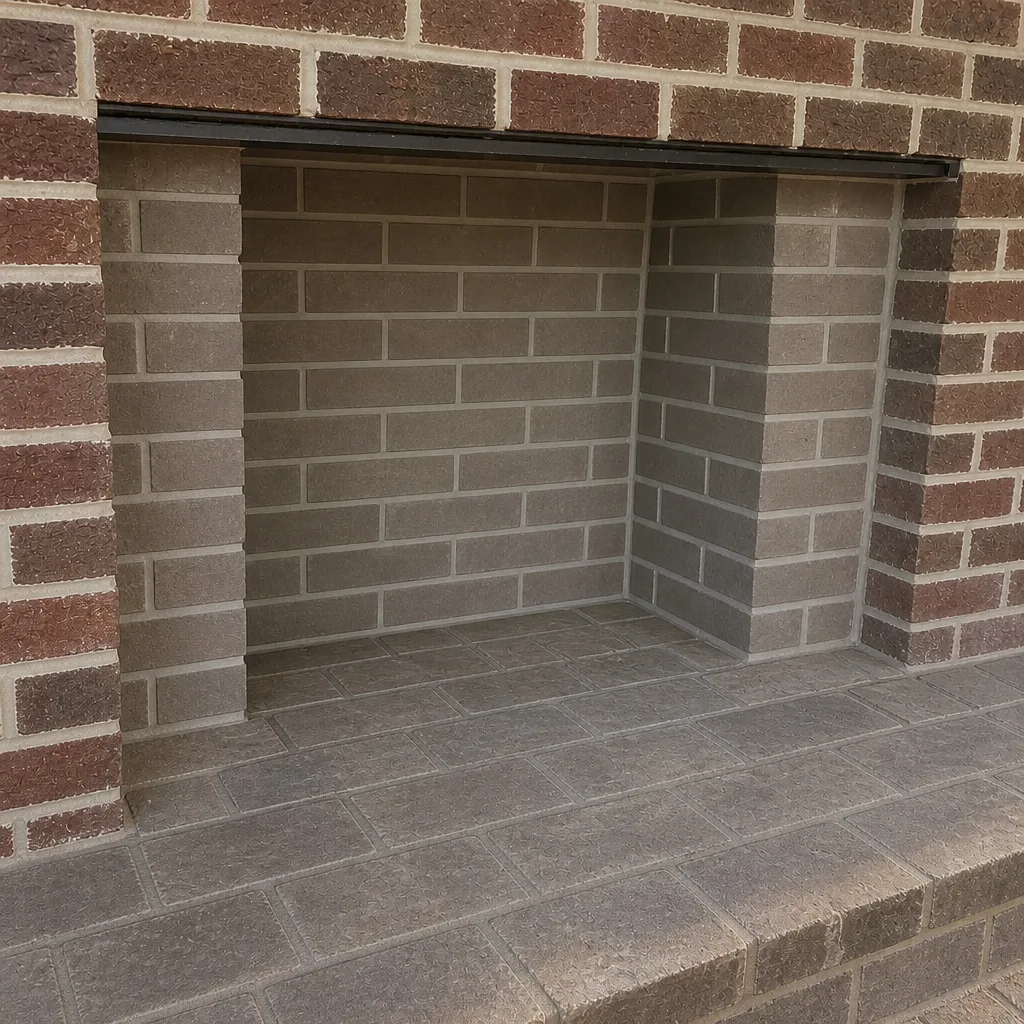
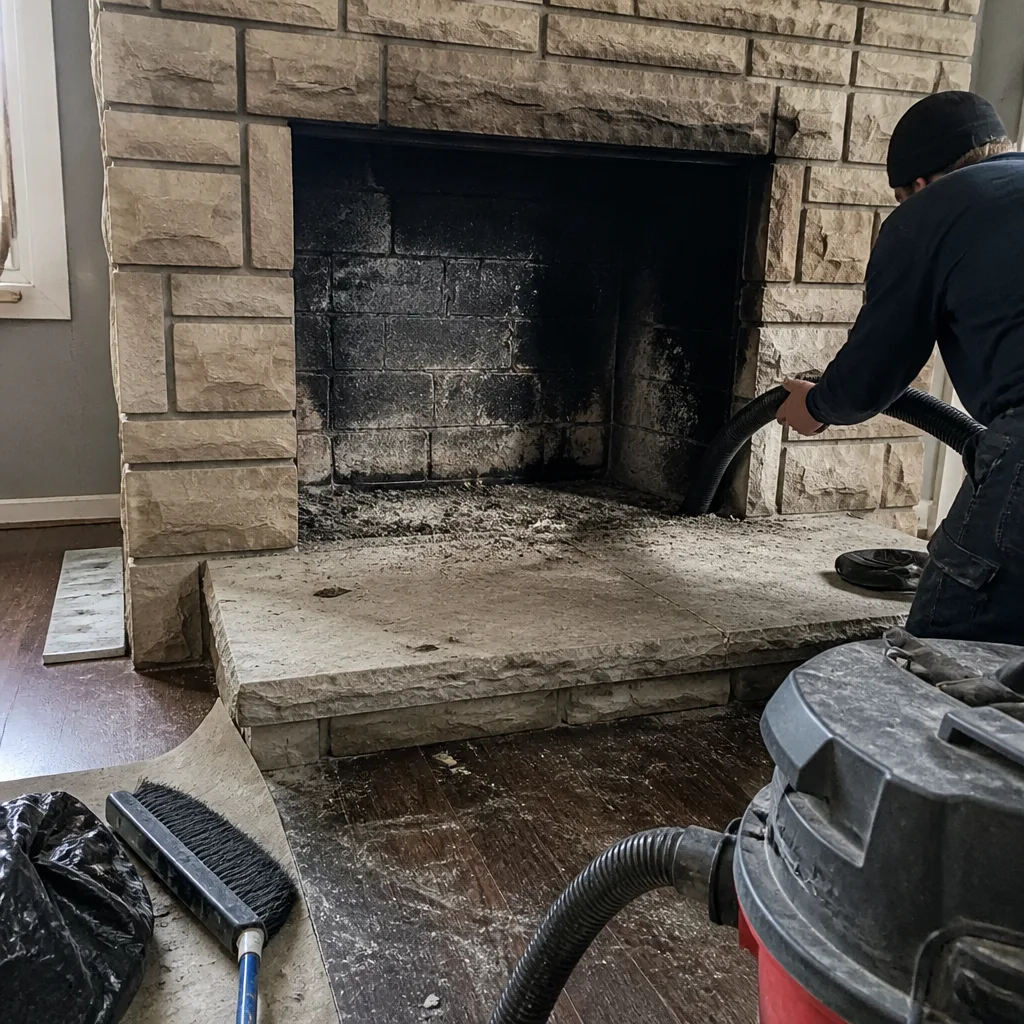
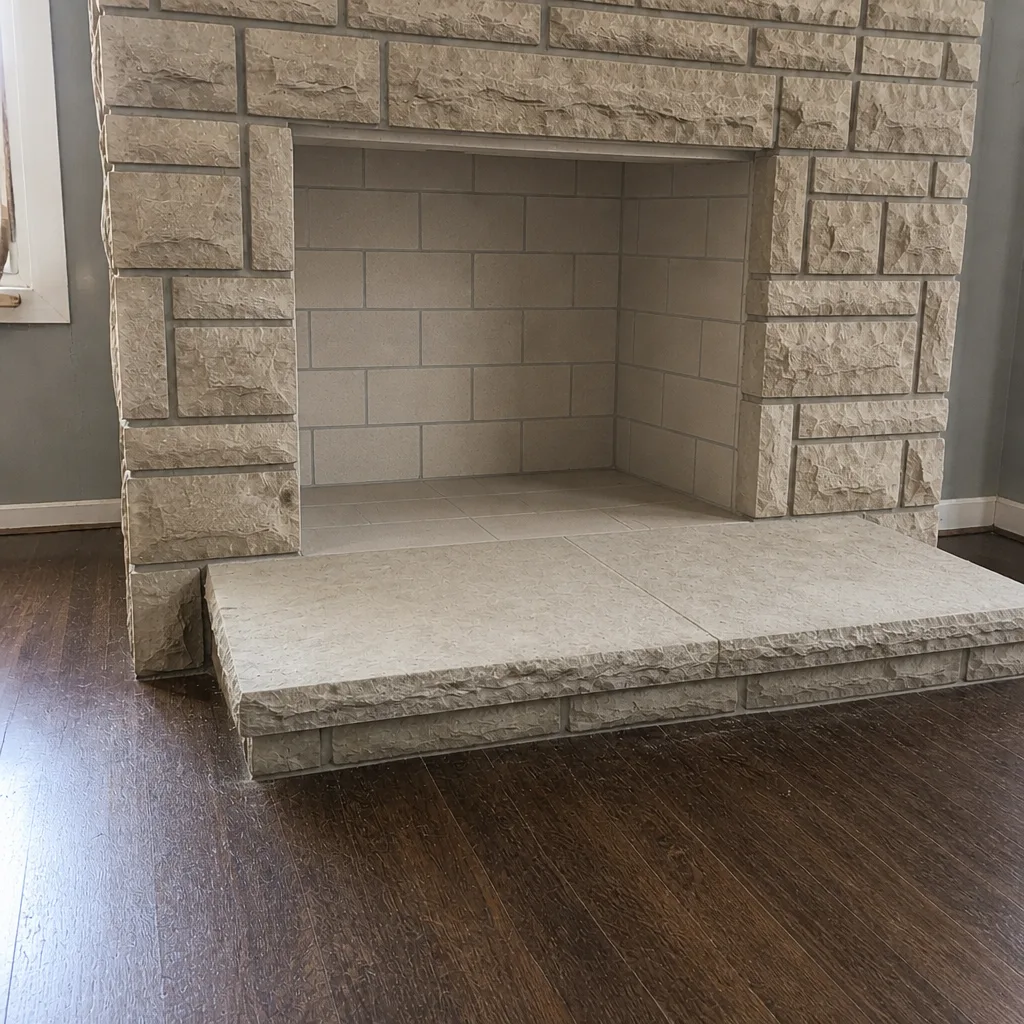
See the difference
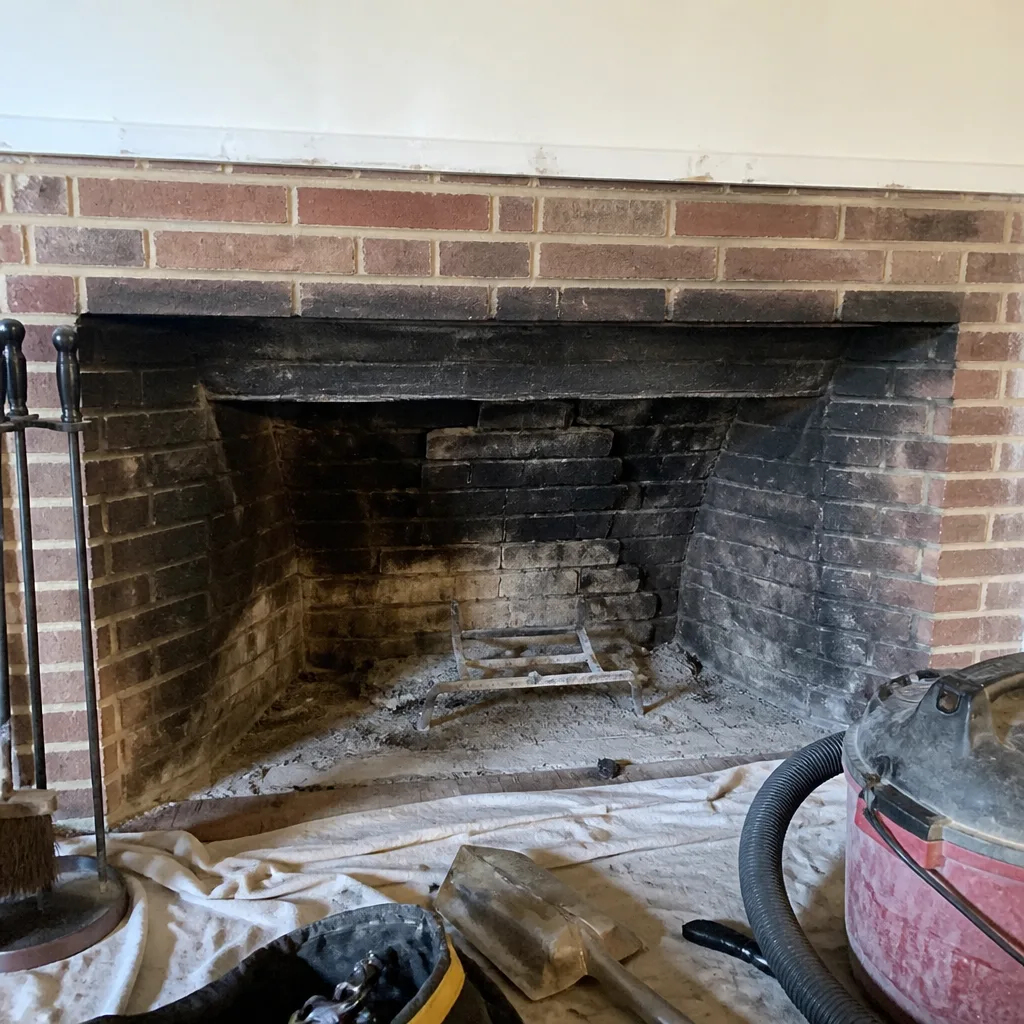 Before
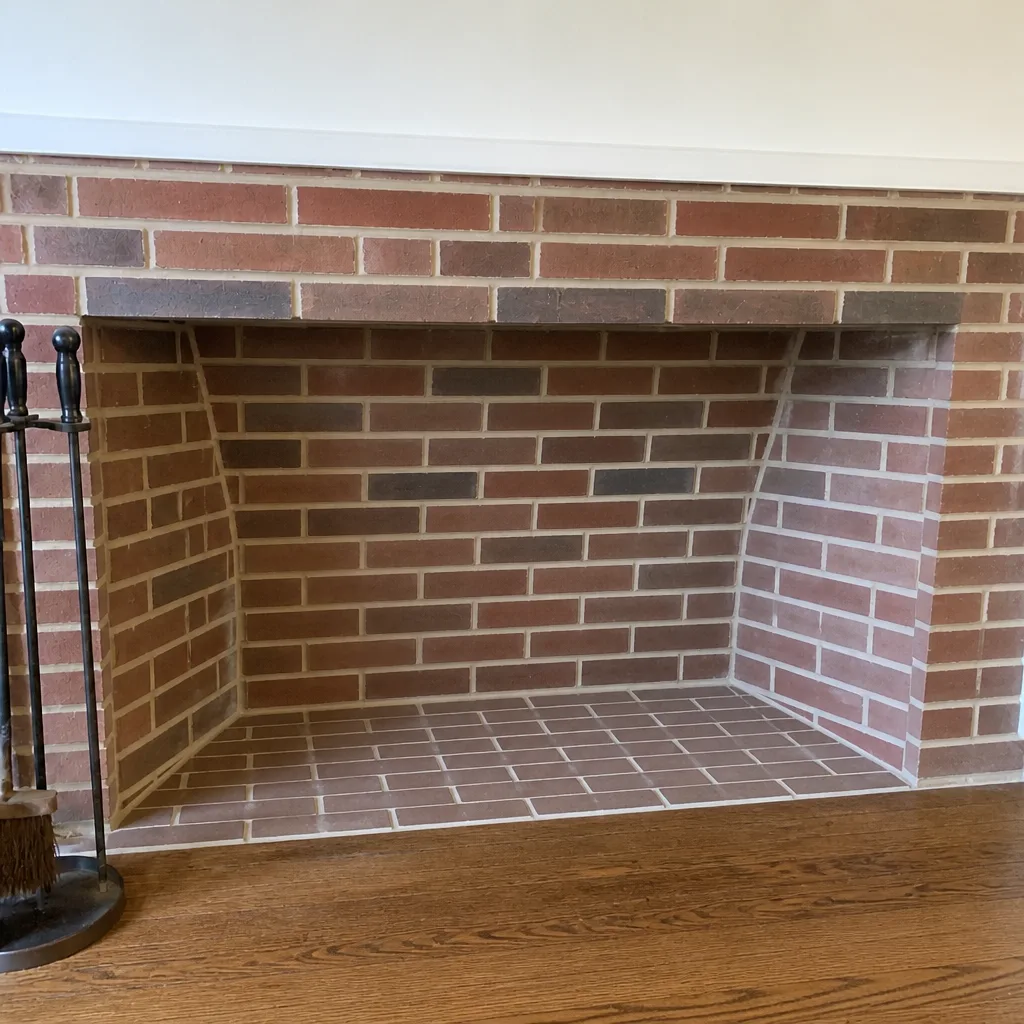 After
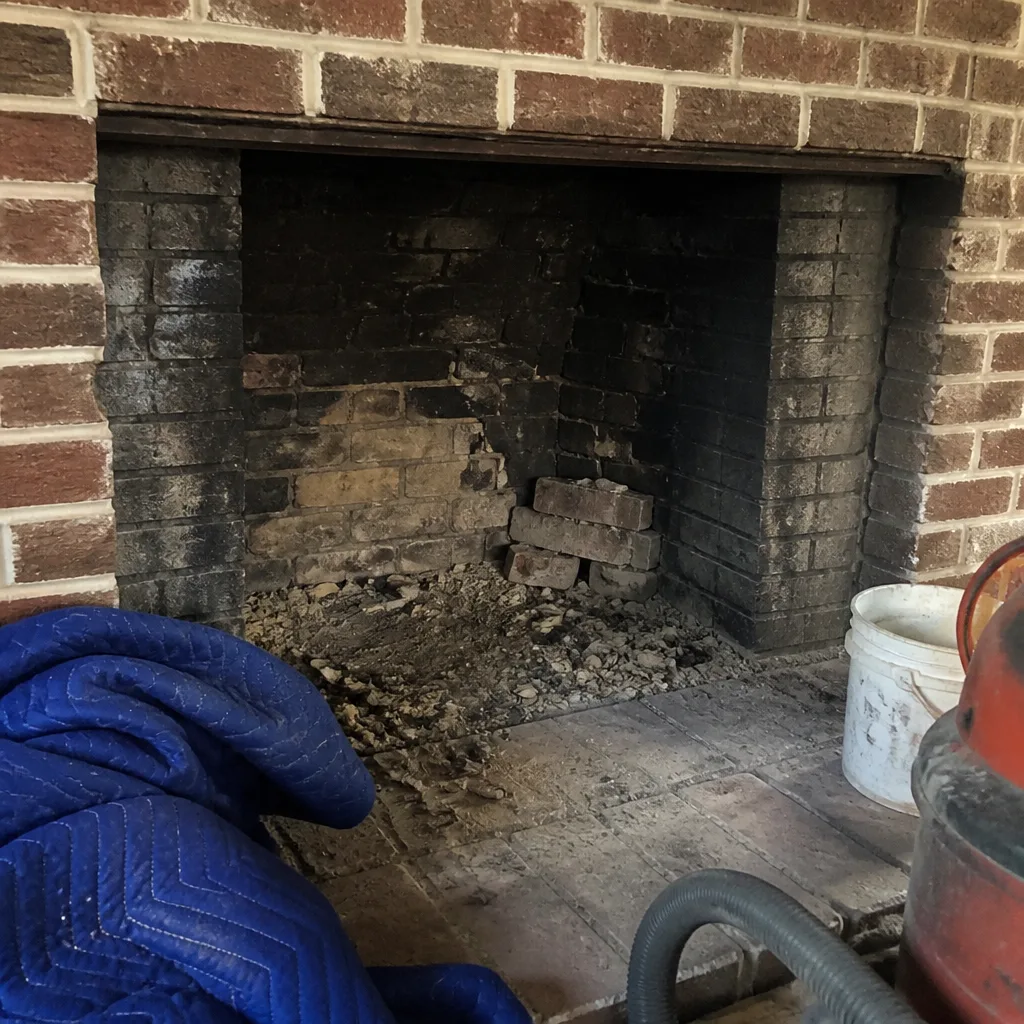 Before
 After
 Before
 After
Common Mistakes to Avoid
- Treating “monitor annually” as an answer. It’s a placeholder, not a severity rating. Ask what marginal vs. failed means for that specific component, and ask for a timeline in seasons.
- Skipping the sweep because “there’s no problem.” The annual sweep is also the occasion for the annual inspection. Skipping the sweep skips the inspection, which is where the actual findings come from.
- Judging the chimney by its south face. The north face takes more freeze-thaw in Cleveland. Look at the whole chimney, not just the side the sun reaches.
- Photographing findings inconsistently. A different angle each year makes comparison impossible. Use the six-photo system above, same spot every year.
- Waiting on a failed crown or flashing. Water entry compounds, and by the time the damage is obvious inside the house, the repair has grown. Crown and flashing items are worth addressing in the same season.
- Skipping the Level 2 in a real estate sale. A Level 1 inspection doesn’t run a camera through the flue, so it can’t see the liner fracture a new buyer should know about.
- Doing roof-level checks yourself. Get the wide shots from the ground. The crown and cap are visible enough to flag, and the technician handles the roof work.
When to Call a Professional
Some findings are worth a call regardless of what else the checklist shows. If the crown has visible cracks that admit water, if the firebox floor has cracked through, if the damper is stuck or missing, or if any white efflorescence is active and recurring after wet springs, the chimney needs a professional diagnosis. If the home is being sold and no camera inspection has been done, the Level 2 inspection is the standard to book. And if the smell of smoke in the house when the fireplace is off has changed, that’s a draft or blockage finding that needs a camera.
Shoreline Chimney Sweep offers free estimates in Cleveland, and we handle inspection, sweep, and repair in a single company so you’re not making three calls to three trades. Call (844) 962-2617. We answer 24/7. Fast dispatch from 7am to 7pm, Sunday through Friday.
Frequently Asked Questions
An annual Level 1 inspection is typically bundled with the chimney sweep, so the cost is usually the sweep plus a small amount for the inspection. A Level 2 inspection with a camera costs more because it’s more work. Prices are estimates; the written estimate sets the final price. Call (844) 962-2617 for an exact quote – estimates are free.
Marginal means the component is degraded but not currently a hazard, so it can be watched and planned for. Failed means it’s no longer doing its job and needs to be stopped-use or repaired. The difference matters because marginal items can usually wait a season, and failed items usually can’t.
You can reasonably check the crown, the cap, the north-facing mortar, visible staining, the damper, and the smell of the chimney from the ground and inside the house. You cannot reliably check the liner, the smoke chamber, or hidden flashing without a camera and a trained technician. The two halves of the checklist overlap in the report, but not in the doing.
Once a year for most homes, and more often if the fireplace is a primary heat source or the wood is damp. Cleveland’s freeze-thaw cycle makes the annual sweep and inspection together the practical standard. The sweep is also when the inspection findings get recorded.
A Level 2 inspection is the appropriate standard when a property changes hands, and it’s routine in Cleveland real estate transactions. It runs a camera through the flue so a buyer sees the liner condition. A Level 1 inspection won’t find a liner fracture. Call (844) 962-2617 to book one before a closing.
Creosote builds, and the inspection that would have caught a marginal crown or flashing doesn’t happen, so those items move to failed without you knowing. The most common result is water damage behind the firebox or in the masonry, which costs more to fix than the sweep would have. The sweep and inspection are the low-cost part of chimney upkeep. Call (844) 962-2617 for an exact quote – estimates are free.
The Bottom Line
A checklist is only as useful as its severity ratings. Pair every item with what good, marginal, and failed look like, and you can triage your own chimney report without needing a second opinion. In Cleveland, add three local items to the standard list: efflorescence after a wet spring, mortar on the north-facing wall, and cap integrity after ice storms. Photograph findings consistently, in the same six shots each year, so comparisons are possible. Know that the crown, cap, staining, and damper are yours to observe and the liner, smoke chamber, and flashing are technician territory. And know that when a Cleveland home changes hands, the Level 2 inspection is the standard to ask for. Inspect, clean, and repair handled start to finish – that’s what keeps a chimney safe through another winter.
If the checklist turns up anything marginal or failed, we can look at it and give you a clear, written estimate at no cost. Call (844) 962-2617. We answer 24/7. Fast dispatch from 7am to 7pm, Sunday through Friday. Our technicians have up to experience and a full professional supply roster behind every repair, from crowns and flashing to liner restoration and relining. Nothing gets recommended without camera evidence you can see for yourself, and we’ll tell you plainly when work can safely wait until next season.
Written by the team at Shoreline Chimney Sweep.