
Last updated November 15, 2026
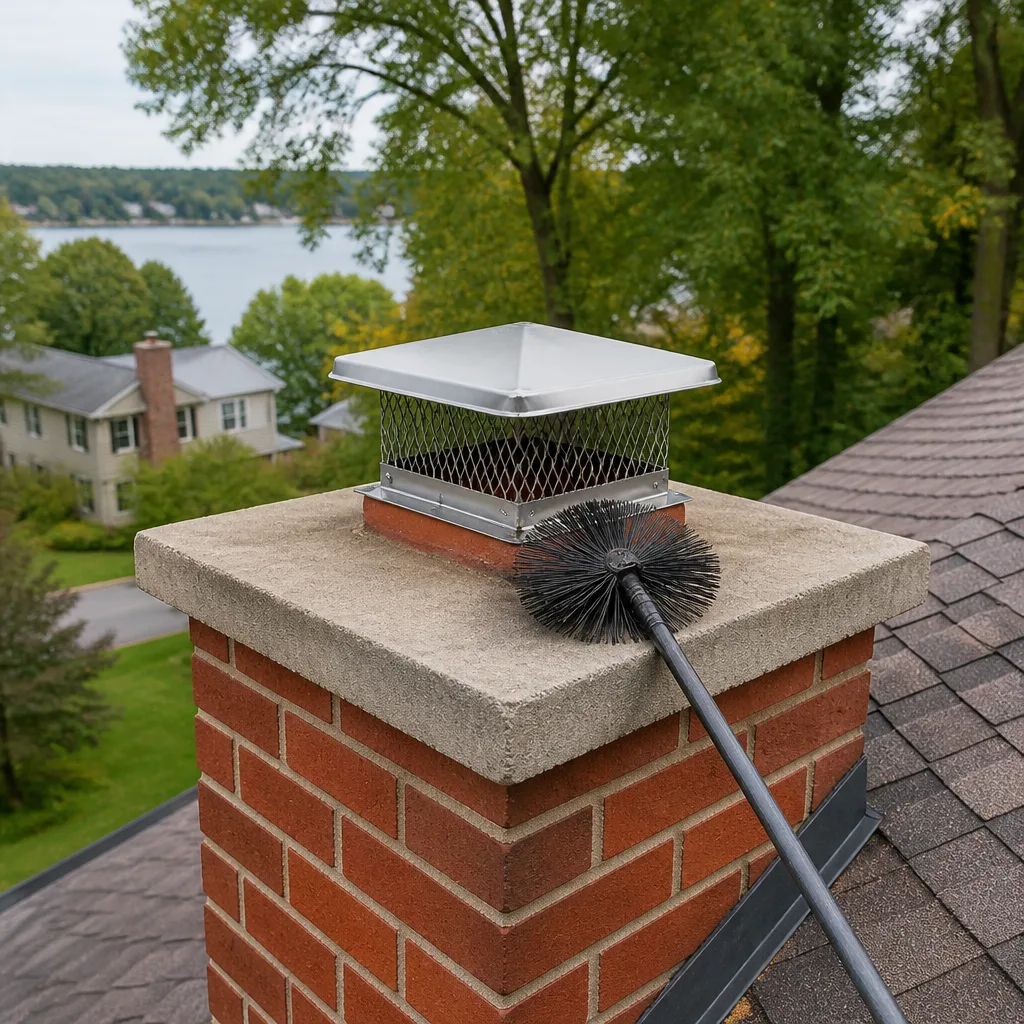 Sweep & inspection
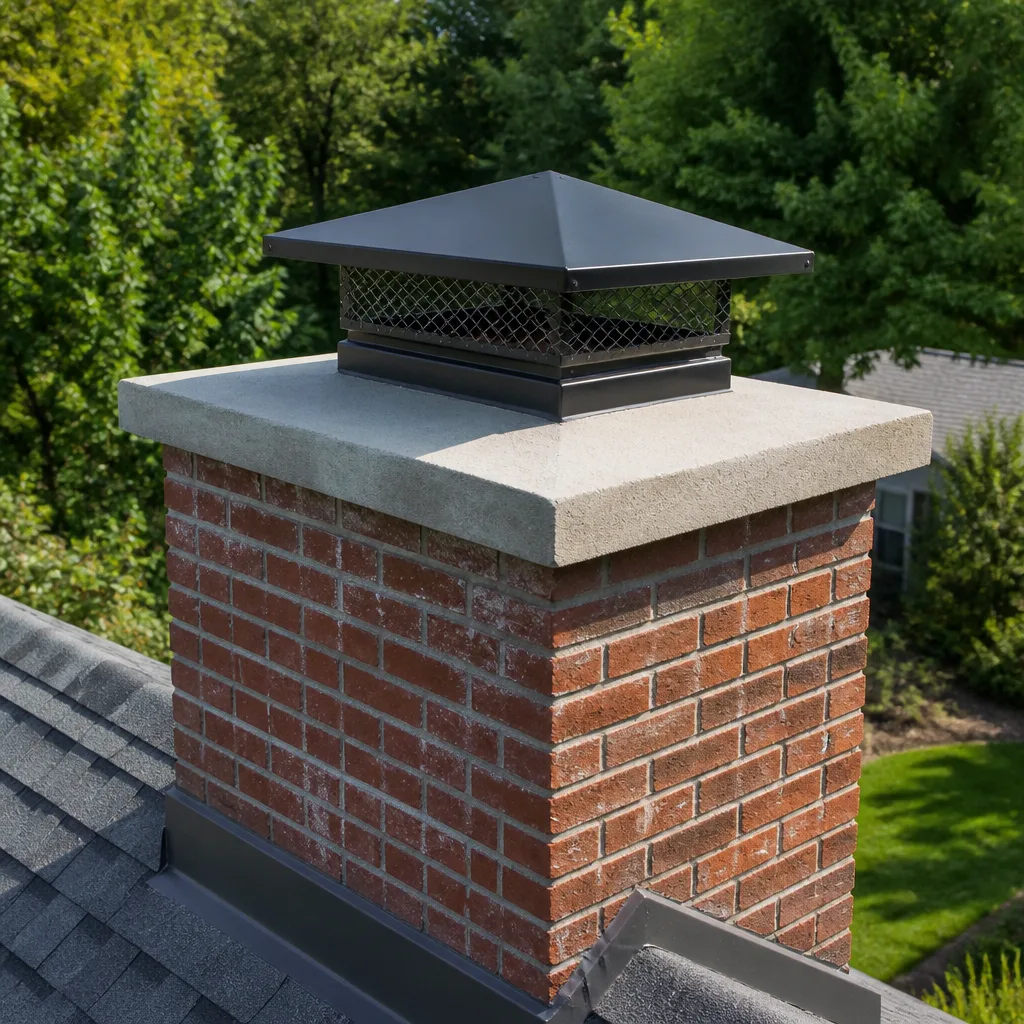 Caps & crowns
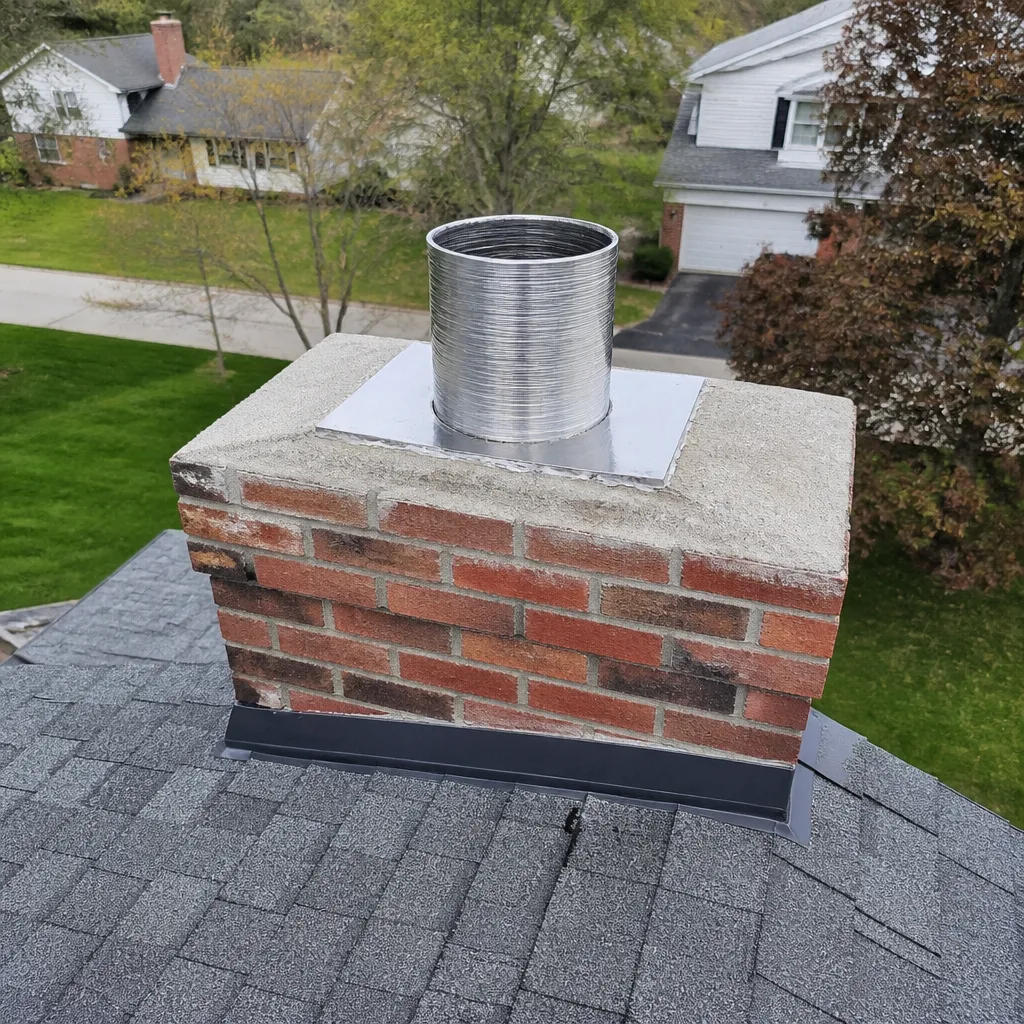 Flue relining
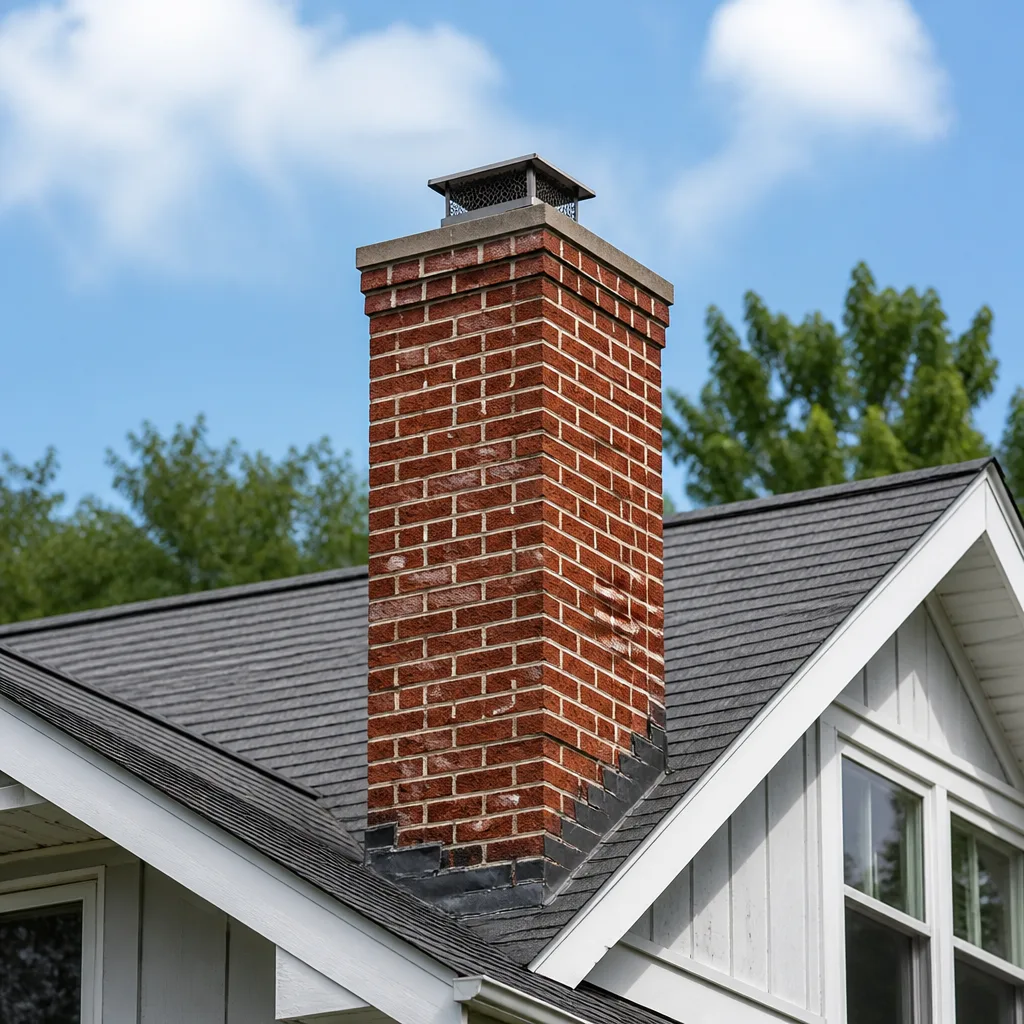 Masonry repair
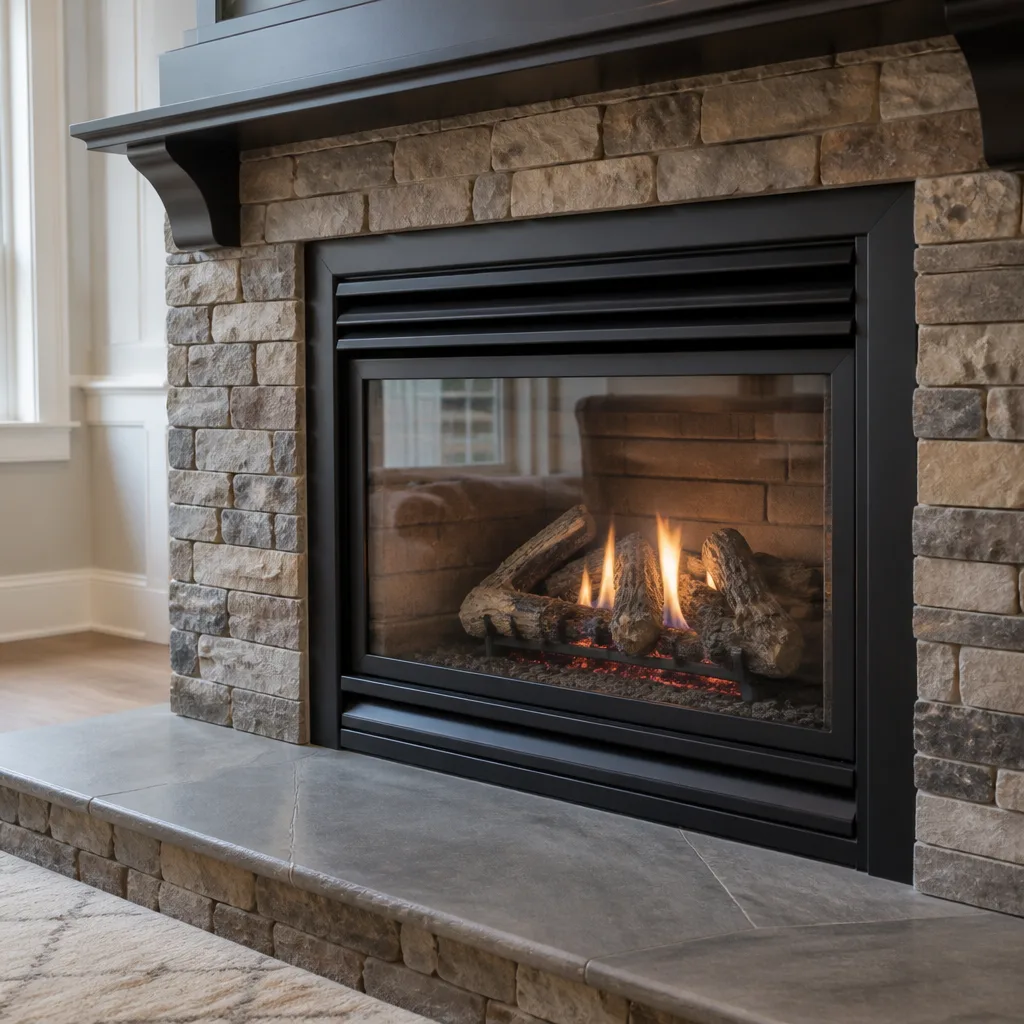 Gas fireplace service
Level 1 sweep and inspection to the NFPA 211 annual standard - flue, crown, cap, and flashing checked and photographed
Chimney sweep logs do not sweep chimneys. They loosen some creosote - which then falls where a brush and vacuum still have to collect it.
Chimney Inspection Troubleshooting in Cleveland: Common Problems and How to Fix Them
If smoke backs into your living room on cold mornings but not warm ones, that is not a draft mystery. It is almost always a specific, fixable pressure problem created by your chimney’s design or liner size, and most homeowners are never told this. The same goes for the white staining creeping down a chimney chase, the rust you find on a damper in spring, and the damp, ashy smell that shows up in winter. Each symptom points to a different part of the chimney system. This guide walks through the problems we see most often in Cleveland, what actually causes each one, and how to tell which need immediate attention and which can wait for a scheduled appointment.
Quick Answer
Most chimney problems found during an inspection in Cleveland trace back to one of four causes: a cracked or unlined flue, moisture getting into the masonry, negative pressure in a tightly sealed home, or a blocked or undersized flue. A camera inspection shows which one you have. Repairable problems are usually fixed with relining or liner restoration rather than a full rebuild, and only a small set of findings (a cracked heat exchanger, a blocked flue, a gap in the liner near the firebox) require shutting the appliance down right away.
Styles & brands we work with
- Sweep & inspection
- Caps & crowns
- Flue relining
- Masonry repair
- Gas fireplace service
Table of Contents
- What Symptom Points to What Problem?
- Why Does Smoke Roll Back Into the Room?
- What Do White Stains and Rust on the Damper Mean?
- What Does a Failed Flue Liner Actually Mean?
- Can This Be Repaired Without a Full Liner Replacement?
- Which Problems Mean Shut It Down Now?
- What Happens During a Cleveland Chimney Inspection?
- When Should Cleveland Homeowners Schedule an Inspection?
What Symptom Points to What Problem?
Homeowners tend to describe chimney trouble in the language of what they can see and smell, not in the language of flue construction. That gap matters. If you can tell a technician “smoke rolls out when I first light the fire on a cold morning and clears up once it warms,” that is a very different diagnosis than “smoke comes out all the time, even with the damper open.” Learning to describe the symptom accurately gets you a faster, more useful answer from any company you call in Cleveland.
Here is how the common symptoms map to their underlying causes:
- Smoke rolls back into the room only on cold starts: negative pressure in the house or a flue that is slow to warm. The chimney is fighting the house for air.
- Smoke rolls back all the time, even when burning hot: a flue that is too small for the appliance, a partial blockage, or a liner that has collapsed and reduced the opening.
- White, powdery stains on the chimney chase or in the attic: efflorescence, which means water is moving through the masonry and evaporating on the surface. Moisture is the root problem.
- Rust on the damper, firebox, or stove: water is entering the flue, usually from a failed crown, a cracked chase, or a missing or damaged cap.
- Water pooling in the firebox after rain: a chimney cap, crown, or flashing problem letting water straight down the flue.
- A damp, smoky smell in the house in winter: the chimney is pulling cold, moist outside air down the flue when the appliance is not in use.
- Creosote smell that gets stronger in warm weather: a buildup in the flue that needs a chimney sweep before the next burning season.
None of these are random. Each one narrows the diagnosis to a specific part of the system, which is the whole point of a proper inspection.
Why Does Smoke Roll Back Into the Room?
Smoke rollback is a pressure problem, not a chimney-cleaning problem. A wood fire needs the chimney to pull air up and out. In a house that is tightly sealed, the chimney and the furnace, water heater, and bath fans all compete for the same limited supply of makeup air. When the chimney loses that competition, it pulls air down instead of pushing smoke up, and the smoke goes into the room.
This is why a flue that worked fine for decades in an older Cleveland home can suddenly underperform after weatherization. New windows, added insulation, spray foam in the attic, and tighter doors all reduce the air leaks the chimney used to rely on. The chimney itself did not change. The house around it did, and now the flue is drawing against a tighter envelope. The effect is strongest on cold mornings, when the temperature difference between the house and the outside is greatest and the stack effect is at its most demanding.
The fix depends on the cause. In our experience, the answer is usually one of these:
- Check for a flue that is too small. A flue sized for an open fireplace will often struggle with a modern insert or stove that moves more exhaust. A technician measures the flue and compares it to the appliance’s requirements.
- Add makeup air. A dedicated outside air supply to the appliance, or a small vent in the room, can restore the pressure balance without touching the chimney.
- Extend or cap the flue correctly. A flue that terminates too low, or a cap that is too restrictive, can cause the same symptom. The termination height and cap style get checked against the appliance and the roofline.
- Relining with a properly sized flexible liner. When the existing flue is undersized or has lost its smooth interior, a DuraFlex flexible liner restores a continuous, correctly sized path for the exhaust.
The point is that smoke rollback is diagnosable. It is not a mystery, and it is rarely a reason to rebuild anything.
What Do White Stains and Rust on the Damper Mean?
White, chalky staining on a chimney chase or in an attic is efflorescence, and it is a water problem wearing a mineral disguise. Water gets into the masonry, dissolves salts from the brick and mortar, and carries them to the surface, where they dry and leave a white crust. The stain itself is harmless. What it is telling you is not harmless: moisture is moving through the chimney structure, and that is the same moisture that rusts dampers and rots the firebox.
Rust on the damper or in the firebox almost always means water is coming down the flue from above. The usual culprits are a failed crown (the concrete cap on top of the chimney), a cracked chase, a missing or damaged chimney cap, or failed flashing where the chimney meets the roof.
Left alone, water damage in a Cleveland chimney compounds through winters. Freeze-thaw cycles do real damage to masonry: water enters a small crack, freezes, expands, and widens the crack. Repeat that over several winters and a hairline crack becomes a spalled brick face or a loose crown. Addressing the water source early is always less involved than repairing what the water eventually does.
What a technician should check when you report staining or rust:
- The chimney crown for cracks and the cap for damage or missing screens.
- Flashing at the roof line, especially where sealant has dried and pulled away.
- The interior flue for signs of water tracking and rust on the damper and firebox.
- The chase for cracks in the mortar joints that let water in.
If the staining is on the interior of the chase, and no water is getting inside the flue, the repair may simply be resealing the crown or cap. If water is getting into the flue itself, that requires a closer look at the liner.
What Does a Failed Flue Liner Actually Mean?
A failed flue liner means the chimney has lost the protective barrier between the fire and the structure of the house. In an older Cleveland home, the liner is often a clay tile liner, a series of clay tiles stacked with mortar joints. Those tiles crack from heat, from moisture freezing inside them, and from house settling. Once a tile cracks, the joint is no longer gas-tight. Combustion gases, including carbon monoxide, can escape through the crack and into the space between the liner and the chimney’s outer wall.
A cracked or missing tile liner is a code violation, and it is why insurance carriers are increasingly noting liner condition when they look at a wood-burning appliance. It is also one of the most common findings in older homes in Cleveland neighborhoods where the housing stock has been heating with wood for generations.
The good news is that a failed liner does not automatically mean a full chimney rebuild. Two repair paths cover most situations:
- Liner restoration. HeatShield is a restoration system that resizes and smooths the existing flue, sealing cracks and joints and restoring the liner’s interior surface. It is used when the existing flue is structurally sound but its tiles are cracked or its surface is rough.
- Full relining. DuraFlex flexible liner systems are a complete reline for a flue that is unlined, badly damaged, or the wrong size for the appliance. The new liner forms a continuous, correctly sized flue inside the old one.
Which one fits your chimney is a decision made after a camera inspection, not before. A technician looks at the extent of the damage, the appliance, and the flue’s dimensions, then recommends the path that restores a safe draft at the lowest reasonable cost.
Can This Be Repaired Without a Full Liner Replacement?
Yes, often. A full liner replacement is not the first move for every chimney. It is the right move for a flue that is unlined, severely damaged, the wrong size for the appliance, or too far gone in multiple places. Less severe findings can frequently be handled with targeted repair.
Here are the decision criteria a technician should use before recommending a reline:
- The liner’s overall integrity. Is the damage localized to one cracked tile, or spread across many joints?
- The appliance’s needs. A properly sized flue for a wood stove is very different from an open fireplace, and the appliance’s requirements matter.
- The flue’s size and shape. A flue that is too large for the appliance wastes heat and drafts poorly, even if it is intact.
- Moisture and prior repairs. A flue with chronic moisture history may need a liner restoration, and not just a cleaning.
The repair options that do not require a full reline include restoring the liner surface with HeatShield, sealing leaks with brand-specific sealants and masonry products, and repairing the crown, cap, or flashing. When we recommend a repair, we show the camera evidence that justifies it. That is the whole reason to have the inspection done by a company that follows through: we find the problem and fix it ourselves, using DuraFlex and HeatShield rather than commodity hardware-store alternatives.
If the work needs a full reline, we handle it from start to finish, rather than handing you a referral. That single-specialist model is what we mean when we say inspect, clean, repair, handled start to finish.
Which Problems Mean Shut It Down Now?
Not every finding is urgent, and a technician who tells you everything is a crisis is worth questioning. A few findings, though, are genuine stop-burning-now situations, because they can put combustion gases into the living space or let fire into the structure.
Frame the shutdown call like this:
- A blocked or collapsed flue. No exhaust path means smoke and carbon monoxide go into the room. Stop using the appliance until the flue is cleared.
- Evidence of a chimney fire you did not know about. A cracked or puffy liner, warped damper, or discolored cap can show a fire burned inside the flue. Have the chimney inspected before the next fire.
- A gap in the liner near the firebox or in the attic. A visible opening in the flue liner is a path for gases into the structure. Do not burn until it is repaired.
- A stove with a cracked firebox. A cracked firebox on a wood stove or insert can let smoke into the room even with the flue clear.
- Carbon monoxide alarms in the living space. Any CO alarm that traces to the appliance is a shutdown situation, and the appliance stays off until a technician clears it.
Findings that can usually wait for a scheduled appointment include efflorescence without active water intrusion, rust that is being monitored, a cap that needs replacing, and a flue that needs sweeping but is otherwise intact. If a finding is cosmetic or manageable, we tell you plainly, and we tell you when it is safe to burn in the meantime. That is part of a chimney repair visit done right.
What Happens During a Cleveland Chimney Inspection?
A proper chimney inspection in Cleveland follows a defined sequence, and you should know what to expect when you book one. The goal is to see the inside of the flue with your own eyes, not to take a technician’s word that work is needed.
Here is the sequence we follow:
- Talk through the symptoms first. Describe what you have noticed (smoke on cold mornings, staining, rust, water in the firebox) before any equipment comes out. That shapes where the technician looks.
- Inspect the exterior. Crown, cap, flashing, chase, mortar joints, and liner termination get checked for cracks, spalling, and water entry.
- Inspect the firebox and damper. The firebox interior, damper operation, and the flue opening at the firebox are checked for rust, cracks, and gaps.
- Run a camera down the flue. A camera inspection shows the liner’s condition tile by tile, records the findings, and produces a photo report you can see for yourself.
- Test the draft. A draft reading tells the technician whether the appliance is pulling properly or whether negative pressure is a factor.
- Present the findings and the repair options. You get a written estimate and a clear explanation of what was found, how urgent it is, and what the repair involves.
The camera inspection and photo report are not optional add-ons; they are the evidence that lets you verify the recommendation. A technician should be able to show you the exact tile, joint, or gap that makes the repair necessary. If someone can describe the problem but not show it, that is worth questioning before you authorize anything.
When Should Cleveland Homeowners Schedule an Inspection?
The best time to schedule a chimney inspection in Cleveland is before burning season, not during it. Getting the inspection done in late summer or early fall means any repair that is needed gets finished before the first cold snap, rather than forcing a mid-winter shutdown of the appliance.
Here is how we think about the schedule:
- Late summer through early fall: ideal for a full inspection and any repair that follows. The chimney can be cleaned, the flue inspected with a camera, and any reline or liner restoration completed before the first fire.
- After a lot of cold-weather burning: a good time to check for creosote buildup and have the flue swept before the next season. Creosote is the fuel for chimney fires, and cold, slow, smoldering fires build it faster.
- After severe weather: heavy snow, ice, or wind can loosen caps, crack crowns, and drive water into the chase. A post-storm check is worth considering for any chimney with a history of water issues.
- Any time you move into a home with a wood-burning appliance: a new-to-you appliance has a history you cannot see. An inspection tells you what you actually have before the first fire.
Cleveland winters are hard on chimneys. The constant freeze-thaw cycles that drive moisture into masonry and crack crowns are the same cycles that crack liners and loosen flashing. An inspection in October catches the damage summer left behind and the wear the last winter caused, while there is still time to fix it. Waiting until January means the repair happens in the middle of the season, on a timeline nobody controls.
What Is the Difference Between a Level 2 and Level 3 Inspection?
A Level 2 inspection is the standard for most homeowners, and a Level 3 is reserved for a specific problem that needs part of the chimney opened up. Knowing the difference keeps you from paying for more inspection than you need, or for less than the situation requires.
- Level 1: a visual inspection of the readily accessible parts of the chimney and appliance, without a camera. This is appropriate for a chimney that has been inspected and serviced recently and has no signs of trouble.
- Level 2: the standard, and what we use for a chimney that has changed appliances, is being inspected for the first time, has had a chimney fire, or shows symptoms of liner damage. It includes a full camera inspection of the flue.
- Level 3: a diagnostic inspection that may require opening a wall or removing part of the chase to see a concealed section of liner. This is used when a Level 2 confirms damage to a part of the flue that cannot be seen otherwise.
Most Cleveland inspections we perform are Level 2. If a camera cannot see a section of the flue because of an offset or a blocked chase, a Level 3 may be the honest recommendation. The reason for the level should be explained to you in plain terms before you agree to it.
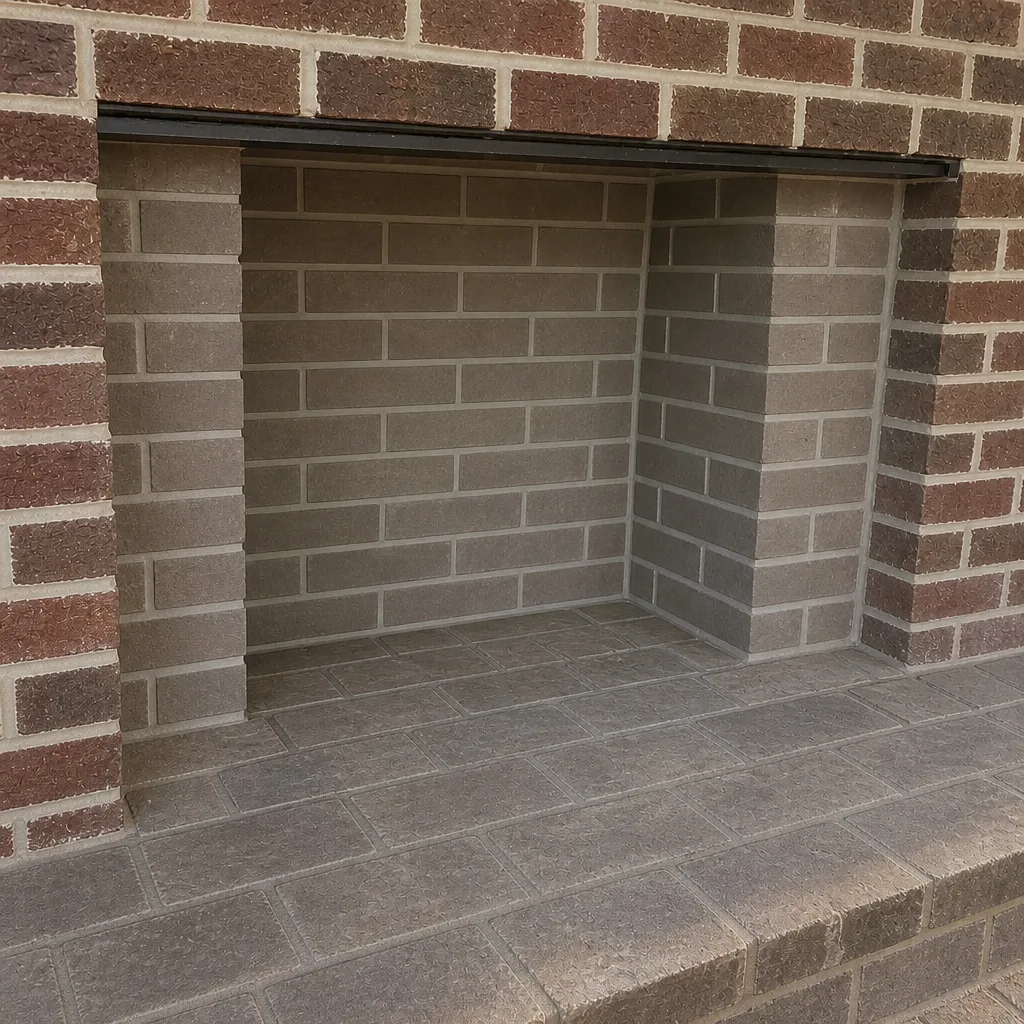
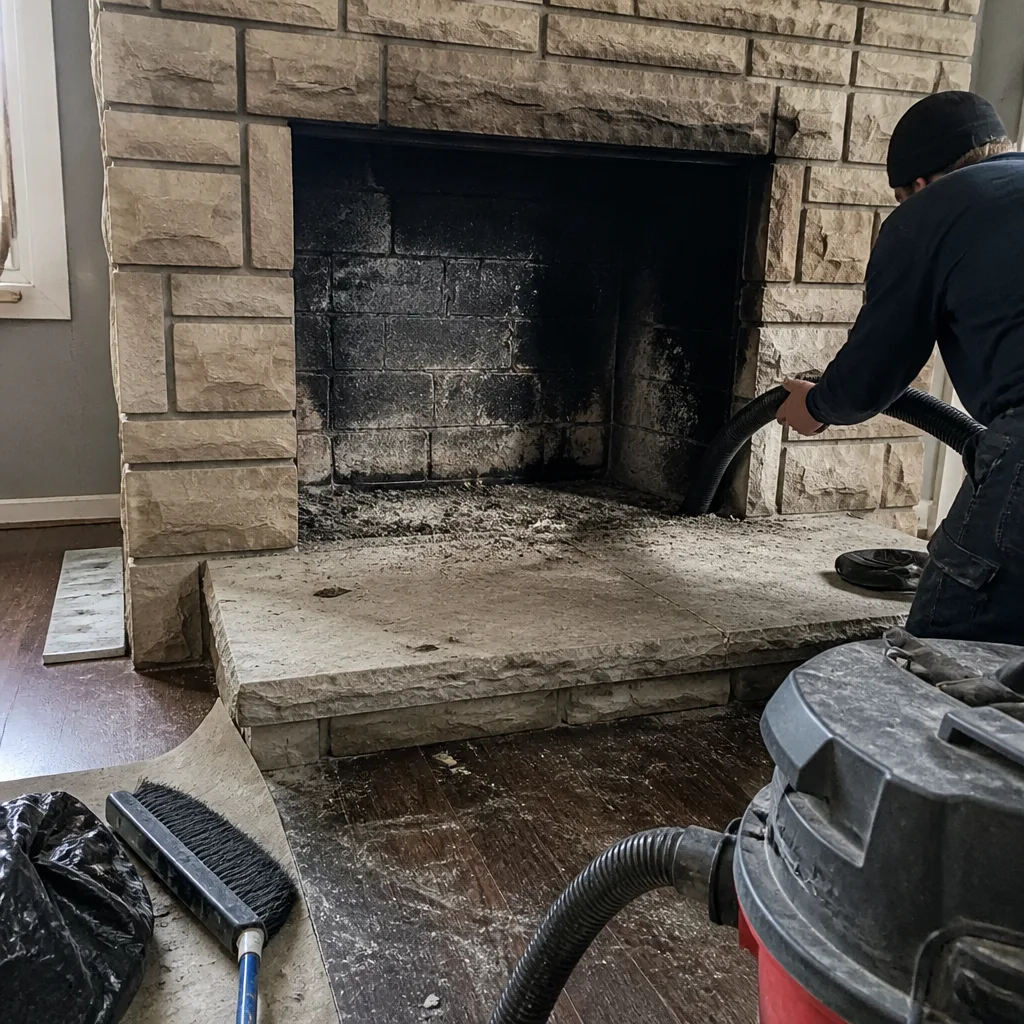
See the difference
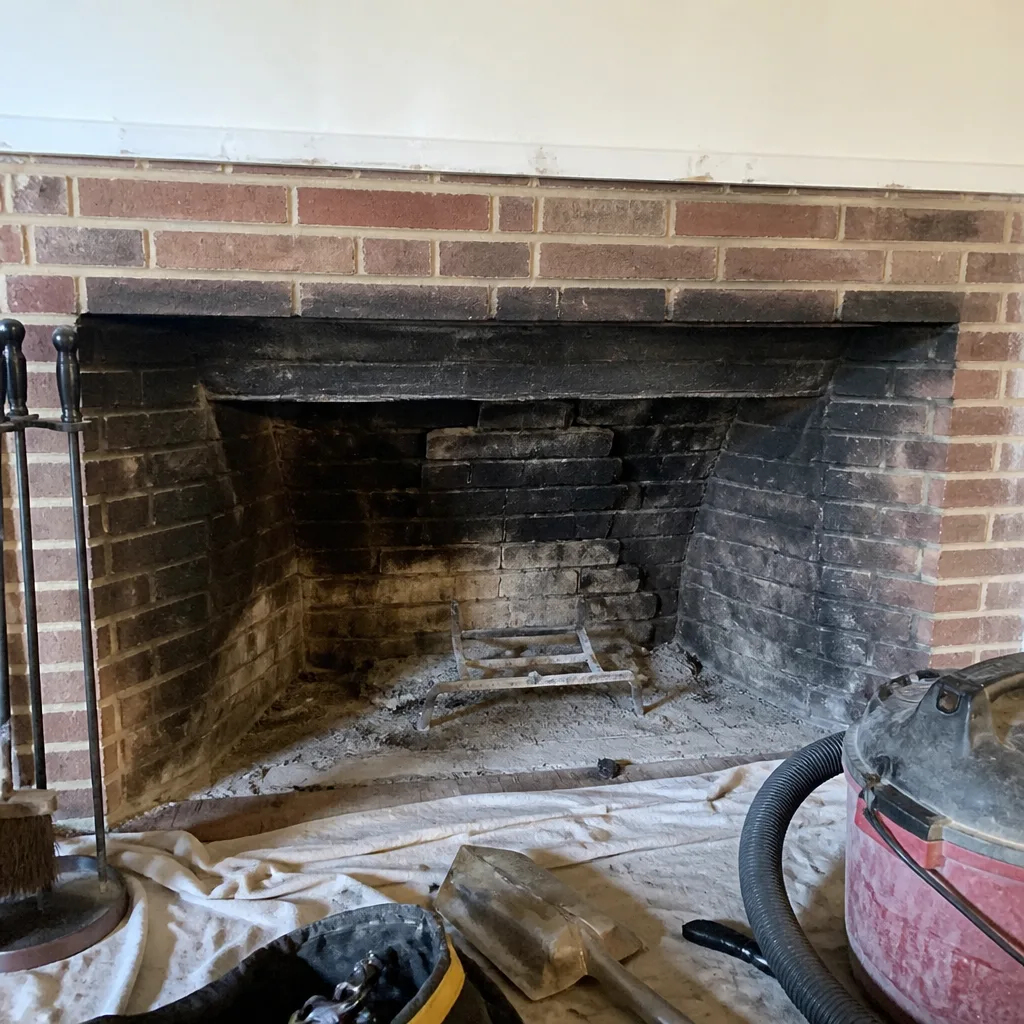 Before
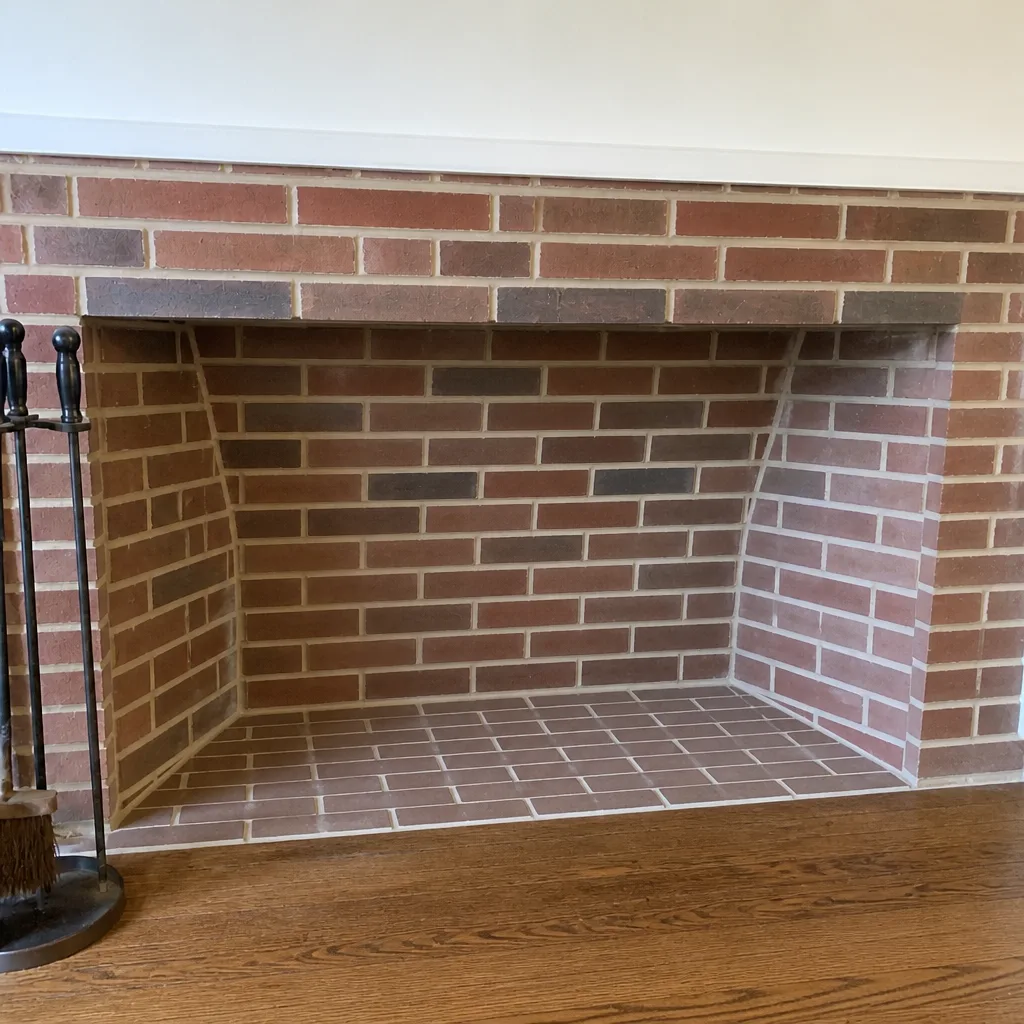 After
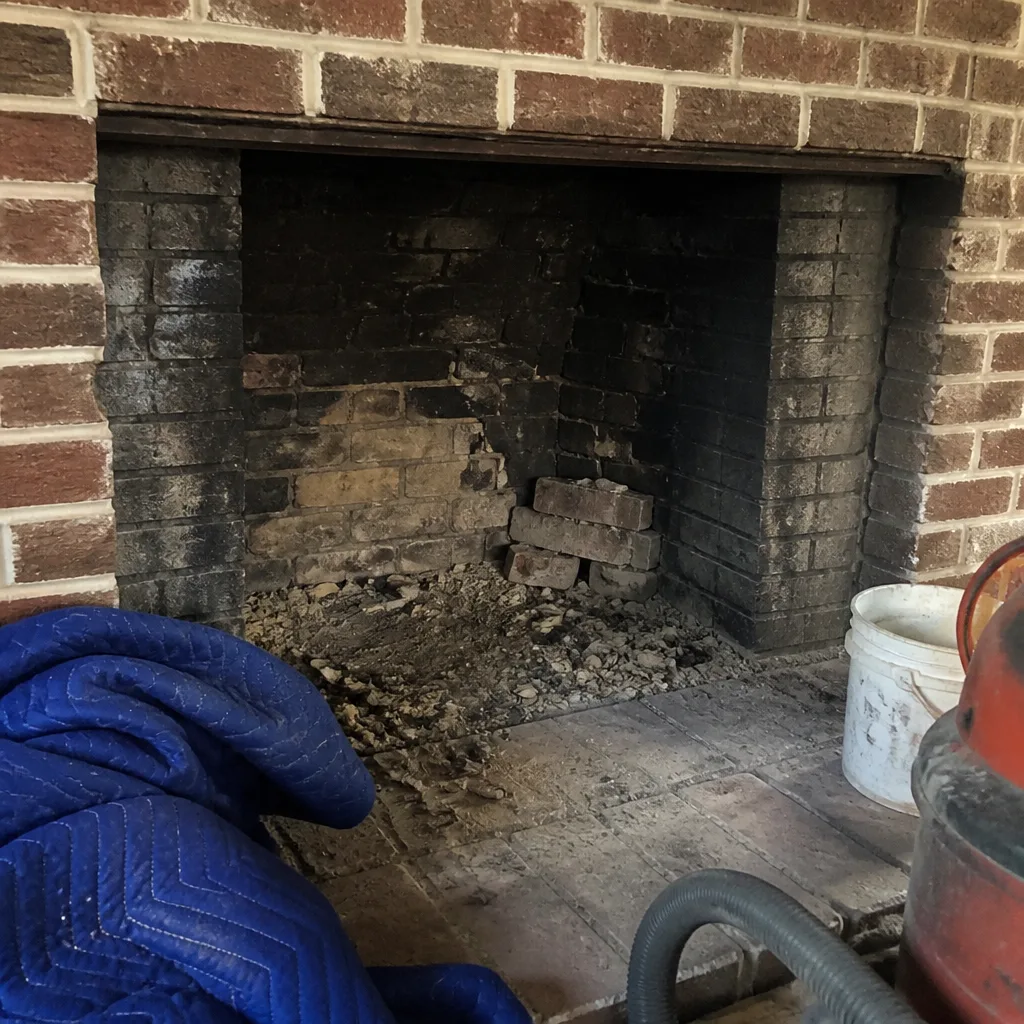 Before
 After
 Before
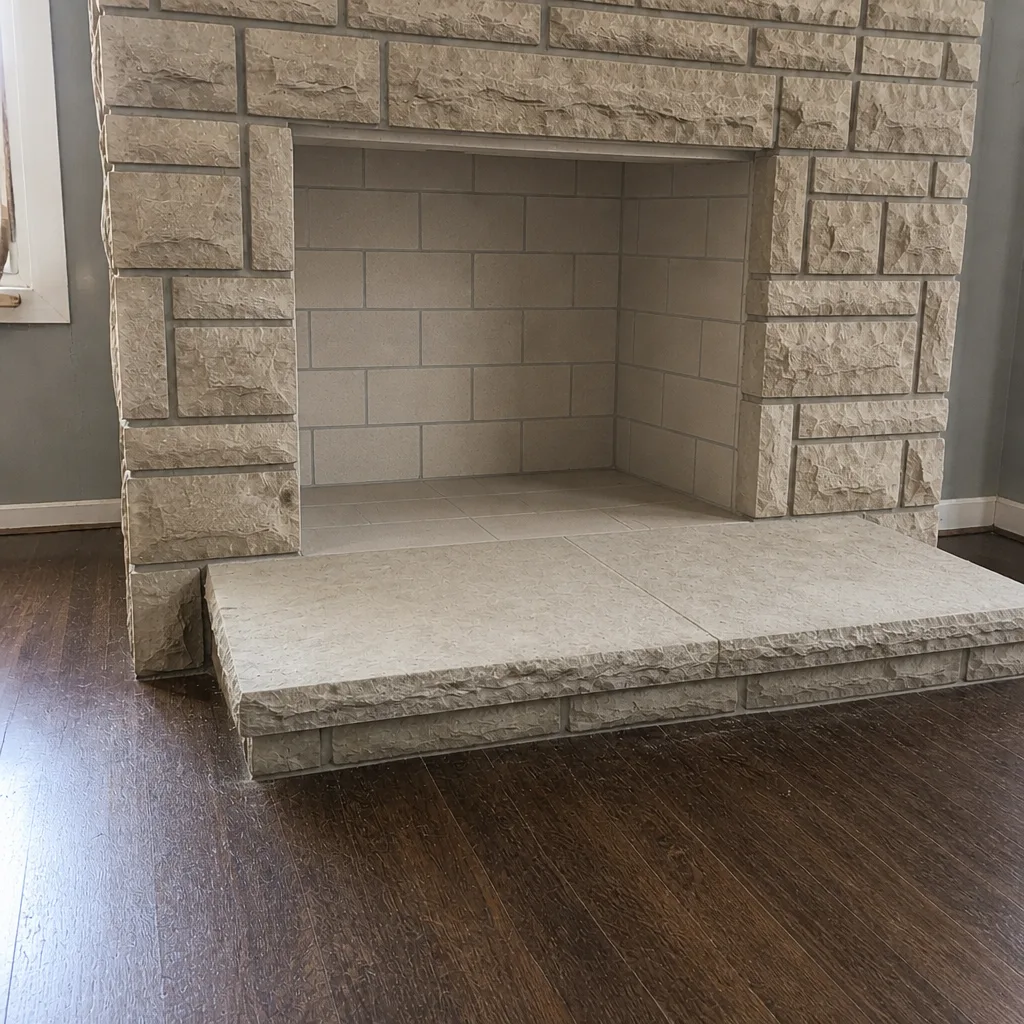 After
Common Mistakes to Avoid
These are the mistakes we see homeowners make when troubleshooting their own chimney, and they usually cost more than a professional inspection would have.
- Assuming a smoky fire is normal. A bit of smoke on a cold start can be, but persistent rollback is a pressure or liner problem, not bad luck. Get it diagnosed before assuming you need a new fireplace.
- Painting over stained masonry. Sealing staining under paint traps the moisture and makes the efflorescence worse. Fix the water source first, then address the surface.
- Skipping the camera inspection because the last sweep looked clean. A brush only cleans the flue; it does not diagnose it. You need a camera inspection to find a cracked tile or a gap in a joint.
- Booking a sweep when the real need is repair. A sweep-and-go service that finds a cracked liner and hands you a referral leaves the problem in place. Book with a company that can do both.
- Running a wood stove in a tight, weatherized house without checking the draft. A stove that drafts well in a drafty home can backdraft once the house is sealed. Have the draft checked after major weatherization.
- Assuming a failed liner means a full rebuild. Many liners can be restored with a HeatShield system rather than replaced, and a rebuild is only justified when the flue is beyond repair.
- Ignoring a chimney fire you did not know happened. A cracked, puffy liner and warped metal can be the only evidence a fire burned inside the flue. Have the chimney inspected before the next fire.
When to Call a Professional
Some problems are fine to monitor and some are not. Call a professional if you notice smoke rollback that persists once the fire is hot, rust on the damper or firebox, water in the firebox after rain, white staining that keeps returning, or any carbon monoxide alarm that traces to the appliance. Call before the first fire of the season if you have not had the chimney inspected in over a year, and call before the next fire if you suspect a chimney fire. A camera inspection is the only way to know what is actually happening inside the flue, and it is the foundation of every repair decision.
Shoreline Chimney Sweep offers free estimates in Cleveland, with a camera inspection and photo report included. Call (844) 962-2617. We answer 24/7. Fast dispatch from 7am to 7pm, Sunday through Friday. You can also read more about our Shoreline Chimney Sweep approach to single-specialist chimney care, or read our Cleveland service overview.
Frequently Asked Questions
An inspection and a sweep answer different questions, and most visits include both. A sweep removes creosote and soot from the flue; an inspection, especially one with a camera, tells you what condition the flue is in. If you know creosote is built up, you need a sweep. If you have a symptom (smoke rollback, staining, rust, water), you need an inspection, and the sweep usually happens in the same visit. Call (844) 962-2617 and we will help you decide which fits.
Cold-morning smoke rollback is a pressure problem, almost always tied to negative pressure in a tightly sealed home or a flue that is slow to warm. The house is pulling air down the chimney faster than the fire can drive exhaust up. A draft test tells you which cause you have, and the fix usually involves makeup air, a flue size check, or a properly sized liner. Call (844) 962-2617 for a free estimate.
A cracked flue liner means the barrier between the fire and the structure has a gap that gases can escape through, which is a code violation and a carbon monoxide risk. A new liner is not always the answer; a HeatShield liner restoration can seal and smooth an intact flue whose tiles are cracked, and a DuraFlex liner is used for a full reline of a flue that is beyond restoration. The camera inspection tells you which path fits. Call (844) 962-2617 for an exact quote, and estimates are free.
White staining is a sign of moisture moving through the masonry, not a sign of structural failure on its own. It means water is getting in somewhere (a cracked crown, a failed cap, bad flashing, or deteriorating mortar), and the fix is to find the water source and close it. Left alone, the same moisture cracks masonry through freeze-thaw cycles, so it is worth addressing before winter. Call (844) 962-2617 and we can take a look.
That depends on the finding. A cracked liner near the firebox, a blocked flue, or a crack in a stove firebox means shut it down until it is repaired. A cap that needs replacing or staining without active water entry is usually safe to monitor, and we will tell you plainly when it is safe to burn. If you are unsure, do not burn, and call (844) 962-2617 for guidance.
A chimney should be inspected once a year, and after any chimney fire or significant change to the appliance or the house’s insulation. Annual inspection is the baseline, and it is the only way to catch a cracked tile or a hidden gap before it becomes a safety issue. In a climate with Cleveland’s freeze-thaw winters, that yearly check is also the best way to catch water damage before it spreads. Call (844) 962-2617 to schedule.
The Bottom Line
The symptoms Cleveland homeowners notice (smoke rollback, white staining, rust, water in the firebox, a damp smell in winter) are not random bad luck. Each one points to a specific part of the chimney system: negative pressure, moisture intrusion, a damaged liner, or a blockage. A camera inspection is what turns the symptom into a diagnosis, and the diagnosis is what lets you decide between a targeted repair, a liner restoration, or a full reline. Get the inspection before burning season, know which findings mean shut it down, and work with a company that can find the problem and fix it.
Shoreline Chimney Sweep handles inspection, sweep, and repair as a single specialist, using professional-grade materials from DuraFlex and HeatShield on every job. Call (844) 962-2617 for a free estimate. We answer 24/7. Fast dispatch from 7am to 7pm, Sunday through Friday.
Written by the team at Shoreline Chimney Sweep.