
Last updated November 15, 2026
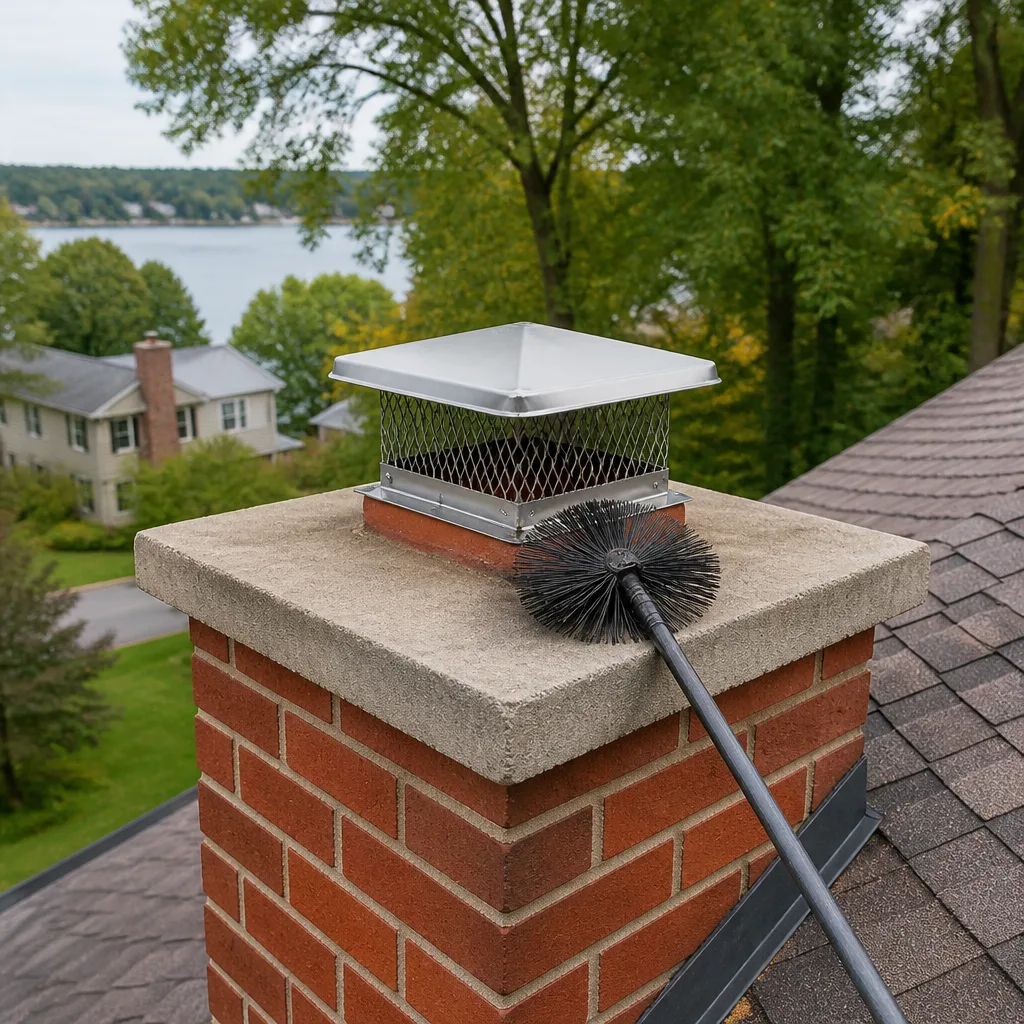 Sweep & inspection
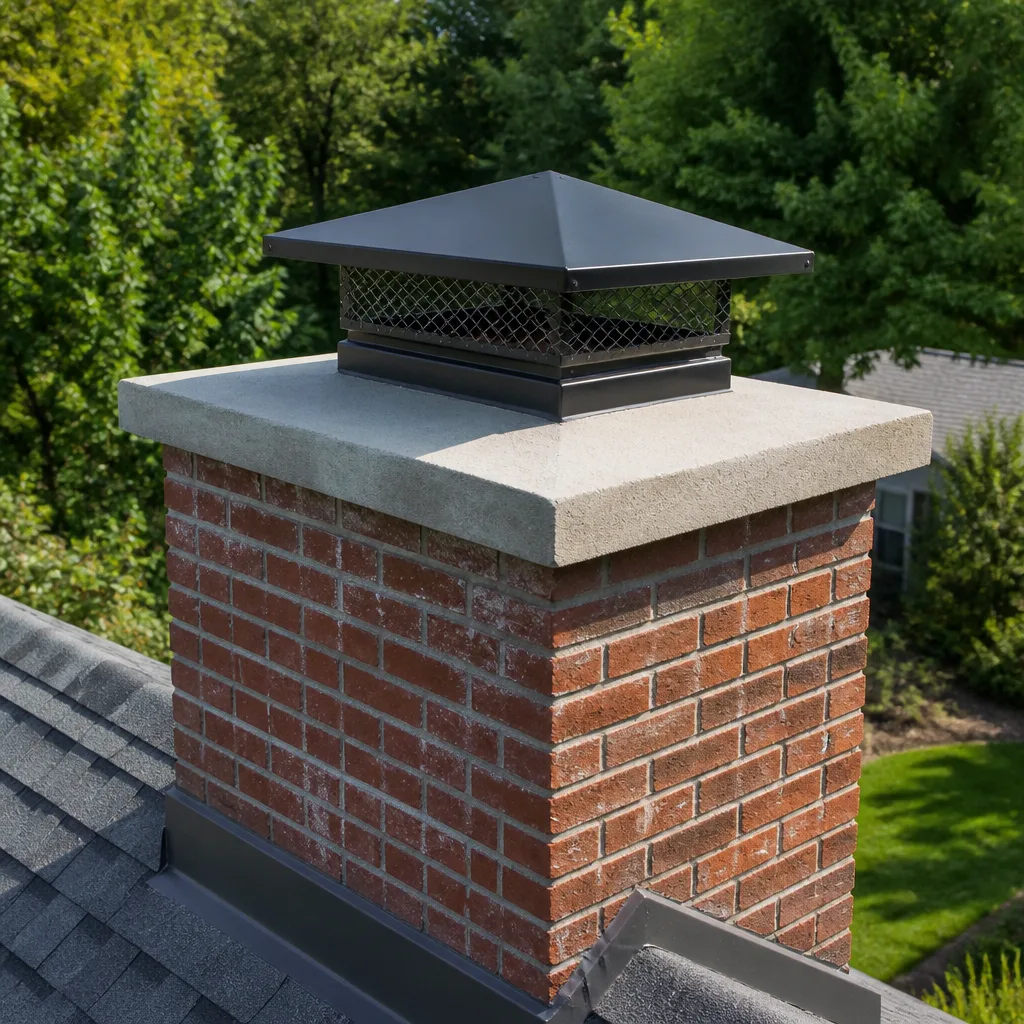 Caps & crowns
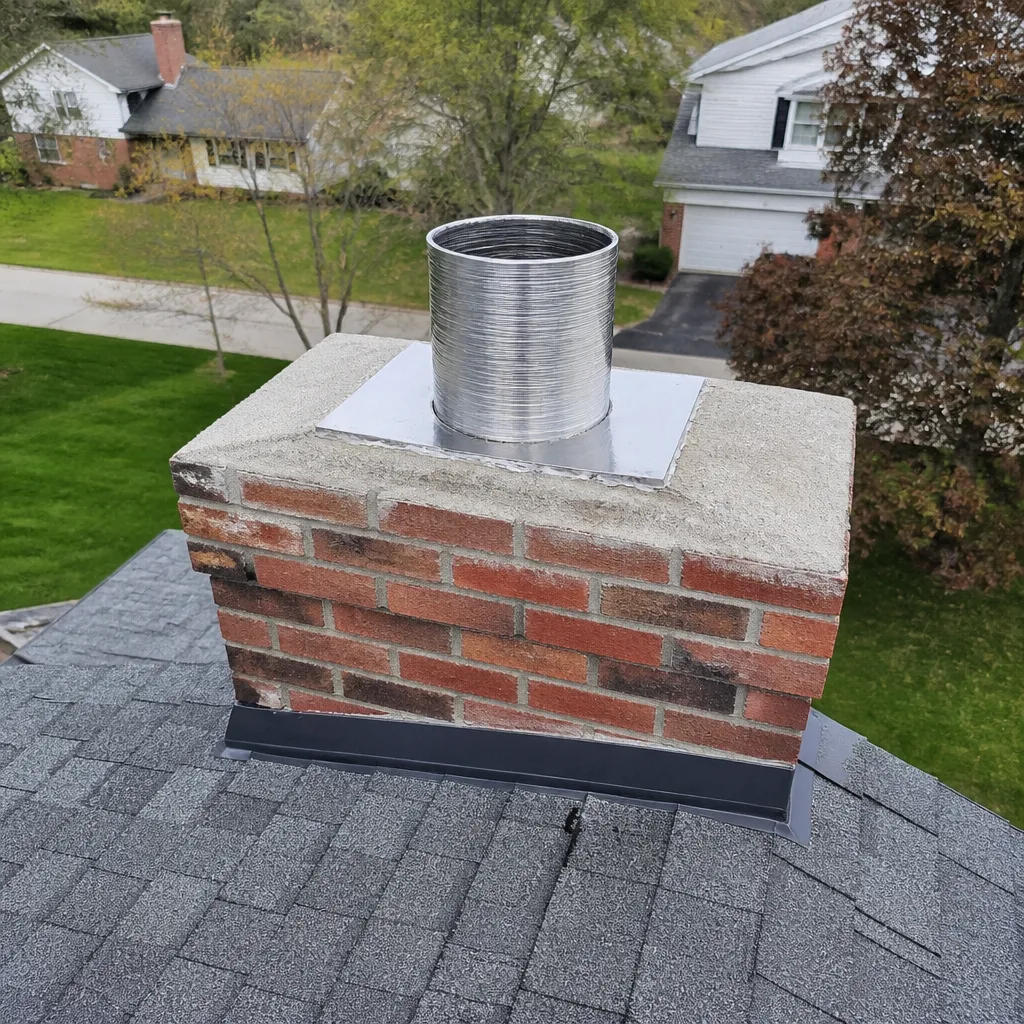 Flue relining
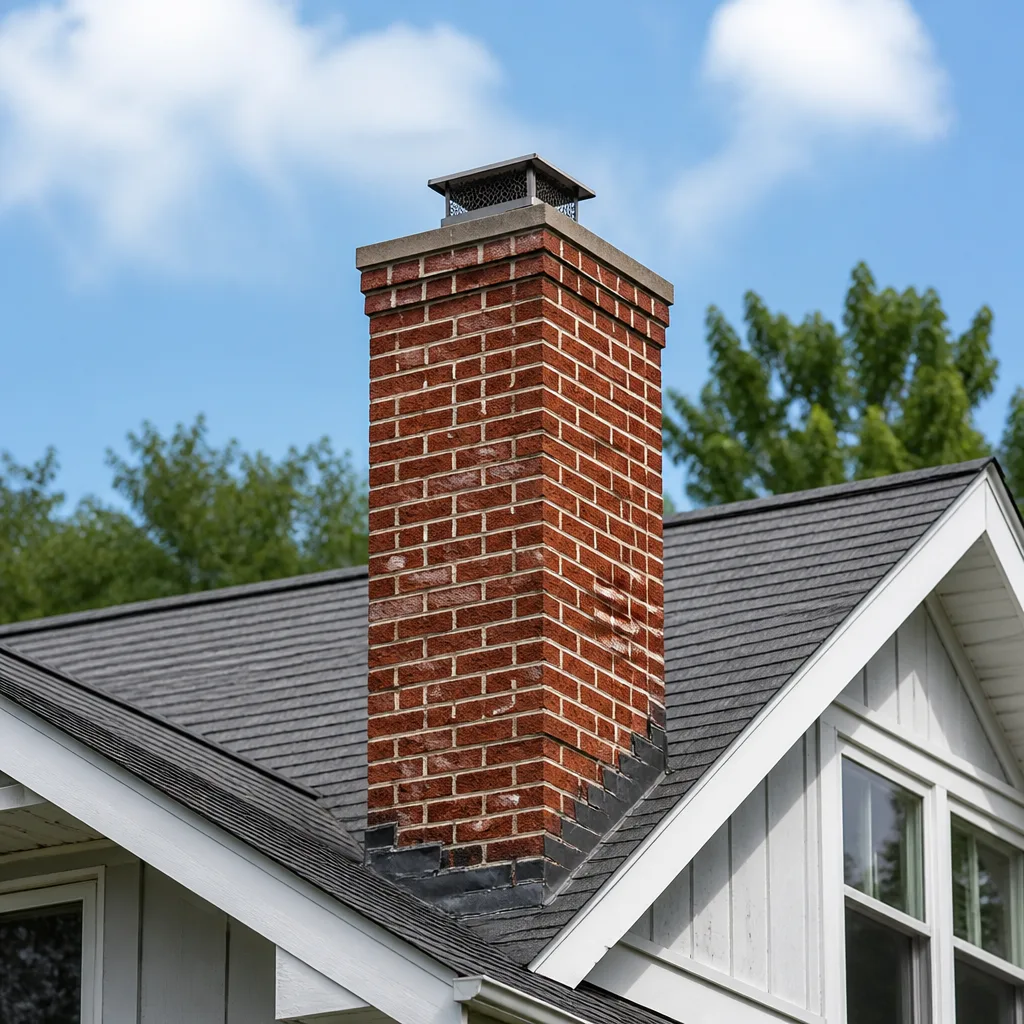 Masonry repair
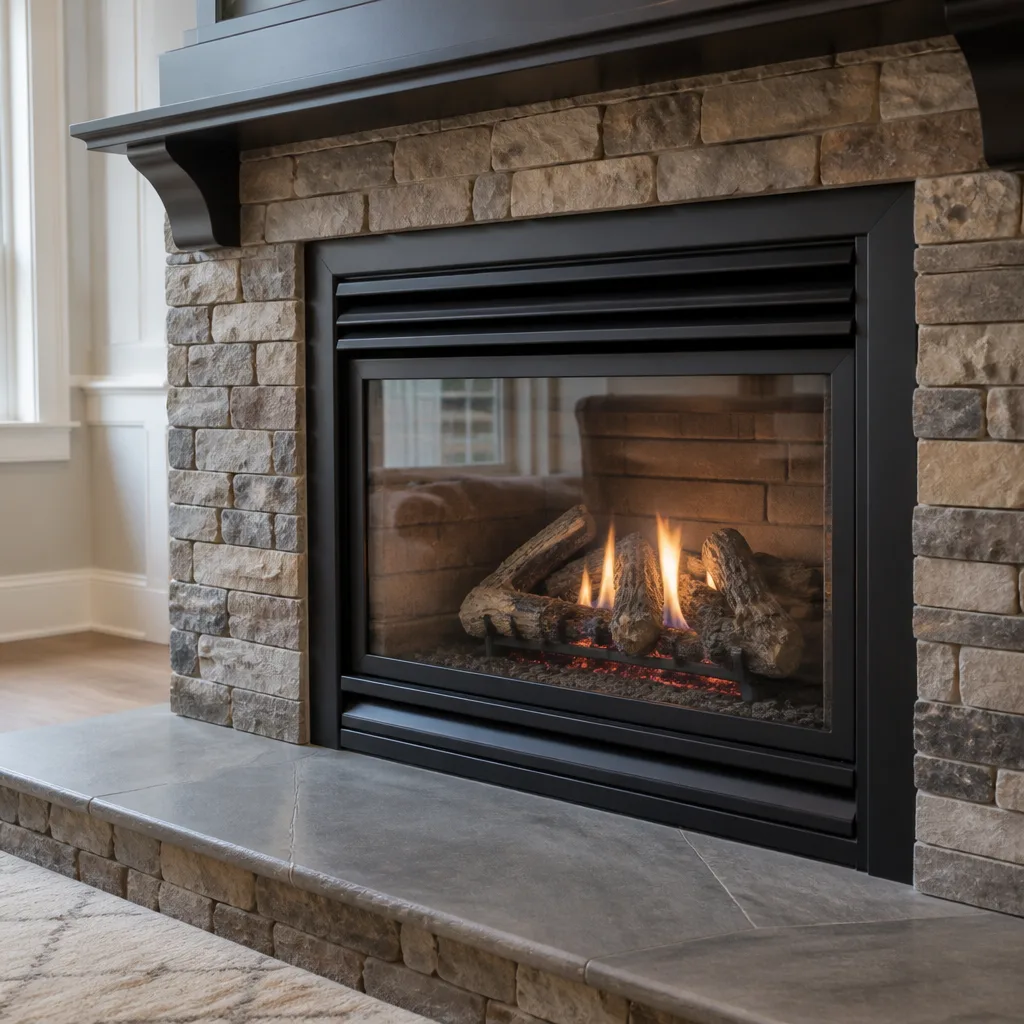 Gas fireplace service
Level 1 sweep and inspection to the NFPA 211 annual standard - flue, crown, cap, and flashing checked and photographed
Chimney sweep logs do not sweep chimneys. They loosen some creosote - which then falls where a brush and vacuum still have to collect it.
DIY vs Professional Chimney Cleaning: The Cleveland Homeowner’s Decision Guide
Most chimney brushes sold at hardware stores are built for one job: knocking loose soot off the walls of a fireplace flue that sees a fire a few dozen times a year. They are not rated for heavier creosote, they can’t see inside a flue, and they can’t tell you whether the liner they just scraped is still sound. That gap matters more in Cleveland than the box instructions let on. Between freeze-thaw winters, hundred-year houses with original flues, and fireplaces that sit unused for months at a time, the conditions that make a brush kit fail are common here. This guide doesn’t tell you to put the brush away. It tells you exactly where DIY cleaning is adequate, where it stops working, and how to decide which camp your chimney falls into.
Styles & brands we work with
- Sweep & inspection
- Caps & crowns
- Flue relining
- Masonry repair
- Gas fireplace service
Quick Answer
DIY chimney cleaning is a reasonable option only for a lightly used fireplace with a sound, accessible flue and light, dry soot deposits. If your chimney has heavy or glazed creosote, any liner or masonry irregularity, a history of chimney fire or smoke backdraft, or hasn’t been inspected in a year or more, a professional inspection and sweep is the safer choice. A brush kit cleans the surface it can reach. It cannot assess the parts of a Cleveland chimney that actually fail.
Table of Contents
- What a DIY Chimney Cleaning Can Honestly Accomplish
- Three Conditions That Make DIY Cleaning Counterproductive
- What DIY Cleaning Cannot Assess
- The Equipment Gap Between a Kit and a Professional Sweep
- A Decision Framework for Cleveland Homeowners
- The Three Stages of Creosote, and Why the Difference Matters
- DIY Cost vs Professional Cost: What You’re Actually Comparing
- Common Mistakes to Avoid
- When to Call a Professional
- Frequently Asked Questions
- The Bottom Line
What a DIY Chimney Cleaning Can Honestly Accomplish
We spend a lot of time telling people what a professional sweep can do for them, so it seems fair to say plainly what a homeowner can do on their own. A brush kit, a drop cloth, a shop vacuum, and a good flashlight can accomplish real, useful work on a chimney that is in sound condition and used lightly. That’s not a hedge. It’s a real maintenance function, and for some households it’s enough.
The honest ceiling of DIY cleaning looks like this:
- A sound flue liner with no visible cracks or gaps. If you can’t see the liner, you can’t confirm this condition.
- Light, dry, sooty deposits. Stage 1 creosote comes off with a brush. Anything denser doesn’t.
- A fireplace used fewer than about 25 times per year burning well-seasoned wood, with a fire that runs hot and clean.
- A straight or near-straight flue with no significant offset the brush can’t navigate.
- No history of chimney fire, backdraft, or smoke spilling into the room.
- A roof you can safely reach, or ground-level access that doesn’t require climbing.
If every one of those conditions is true, a homeowner in Cleveland can honestly do a useful annual sweep at the level of surface soot removal. If even one is false, the calculation changes. A metal brush against a cracked clay tile turns a hairline into a broken liner. A brush against glazed creosote smears it into the liner surface and makes extraction harder, not easier. A brush against loose masonry knocks fragments down into the smoke chamber. The brush doesn’t know the difference. That’s the ceiling.
Light, well-maintained fires produce light deposits. But a Cleveland fireplace that sits cold for seven or eight months a year, warms up in October, and then sees a few cool, slow burns in November and December produces exactly the conditions that build stage 2 creosote: cooler flue temperatures, incomplete combustion, and condensation. A homeowner who cleans in the same pattern every year may be cleaning on top of something the brush is no longer reaching.
Three Conditions That Make DIY Cleaning Counterproductive
DIY cleaning isn’t just less effective than a professional sweep. In three specific conditions, it makes the chimney worse. Homeowners should know them by name, because they are the conditions you can’t spot from the fireplace opening.
1. Stage 2 or stage 3 creosote deposits
Stage 1 creosote is the light flake-and-soot layer that brushes off on contact. Stage 2 is a denser, crustier deposit that bonds to the liner. Stage 3 is glazed, hardened, and often looks like a thin glassy sheen on the flue wall. A manual brush does not remove stage 2 or stage 3 deposits. It smears them. The friction pulls the softened deposit into the surface texture of the liner, where it hardens again, builds up unevenly, and can reduce the flue’s effective diameter. Rotating tools, chemical treatment, or in some cases liner restoration is what actually clears it. A homeowner with a brush kit and no camera has no reliable way to tell whether the deposit they’re looking at is stage 1 or stage 2 in the first place.
2. Liner irregularity that catches brush bristles
A clay tile liner with a spalled or cracked joint, a metal liner with a seam that’s separating, or a liner that’s been damaged during an earlier sweep can catch a brush head on the way down or up. When it does, the brush doesn’t stop. It wedges, rotates, and, depending on the tension, either breaks bristles into the flue, cracks the tile joint further, or gets stuck and has to be worked free. What looked like a routine sweep from the ground becomes a liner repair. A camera inspection reveals the irregularity before the brush finds it the hard way.
3. Any history of chimney fire or smoke backdraft
A chimney fire leaves heat stress behind that doesn’t always show on a visual inspection: hairline fractures in clay tiles, warped metal liners, cracked masonry in the smoke chamber. A backdraft leaves a pattern of pressure damage and often a partly blocked flue. Sweeping a chimney after either event without a camera and a proper inspection can dislodge material, pass a brush through a crack, or spread damage the homeowner doesn’t know exists. Cleveland homes see both, rarely in dramatic form: a chimney fire that the homeowner never clearly recognized is not unusual in older houses, where the signs are a faint pop, a brief roar, and a warm wall.
What DIY Cleaning Cannot Assess
The list of problems a brush kit can’t see is longer than most homeowners expect. Each of these is a job for a trained eye with real inspection tools, not a flashlight pointed up the flue.
- Liner fractures. Hairline cracks in clay tiles and seam failures in metal liners are the most common cause of a chimney that’s unsafe to burn in. A brush passes right by them. A camera sees them.
- Smoke chamber corbeling erosion. The smoke chamber is the transition between the fireplace and the flue, usually built up of corbelled masonry. Years of heat and moisture erode the mortar between those courses. The result is a rough, pitted surface that slows smoke and feeds creosote buildup. A brush doesn’t inspect. A sweep with a mirror and a camera does.
- Crown cracking. The concrete crown at the top of the chimney sheds water off the masonry below it. When it cracks, water gets in, freezes, and pops brick faces loose. Cleveland’s freeze-thaw cycles find every crack in a crown. You can’t see it from the ground, and a brush doesn’t look.
- Flashing failure. Where the chimney meets the roof, step flashing and counter-flashing keep water out of the roof deck and the chimney’s exterior. Degraded flashing doesn’t always show inside, especially in a house with a masonry chimney that sheds water internally until a freeze expands the saturation. This one requires getting on the roof, which most homeowners shouldn’t do.
- Animal debris in the upper flue. Birds, squirrels, and raccoons nest in the flue above the damper, out of reach of a ground-level brush. A brush pushes that material down. A sweep removes it, and inspects the cap.
The theme is worth saying directly. DIY cleaning removes what you can reach. The problems that make a chimney unsafe in a Cleveland climate – liner integrity, moisture penetration, draft performance – live in the parts you can’t reach and can’t see.
The Equipment Gap Between a Kit and a Professional Sweep
The hardware-store brush kit and the equipment a full-service sweep brings are not doing the same job at different price points. They’re doing different jobs. Here’s what a professional sweep brings to a Cleveland chimney that a homeowner’s kit can’t match.
- A HEPA vacuum rated for fine particulates. Soot and creosote dust are the fine-particle end of the particulate spectrum. A shop vac blows the smallest particles back into the room; a HEPA-rated vacuum at the fireplace opening captures them at the source. That’s the difference between a sweep and a cleanup.
- A flue inspection camera. The single most important item. A camera sees the liner top to bottom, records the condition, and lets the technician show the homeowner exactly what’s there. Nothing gets recommended without camera evidence the homeowner can see for themselves.
- Flexible rods and correctly sized brushes. A flue with an offset (most Cleveland masonry chimneys have at least one) needs rods that follow the bend and brush heads sized to the flue, not the flue “close enough.”
- Rotary and chemical creosote removal tools. For stage 2 and stage 3 deposits, a manual brush doesn’t reach. Rotary tools and chemical treatment do. This is the equipment that separates a maintenance sweep from a restorative one.
- Mortar and masonry tools for immediate minor repair. A sweep that finds a hairline at a tile joint can treat it in the same visit with the right materials. That’s the moment when a repair is cheapest.
- Liner and restoration product access. When the flue needs real restoration or relining, we’re set up to carry it through: HeatShield for liner restoration where the existing flue can be saved, and DuraFlex flexible liner systems for full relining on older or unlined chimneys. Those aren’t commodity hardware-store products. They’re professional-grade materials that arrive with the job.
A homeowner can buy a brush, a rod set, and a drop cloth. The gap isn’t in willingness. It’s in the tools that make the difference between cleaning what you can see and assessing what you can’t.
A Decision Framework for Cleveland Homeowners
This isn’t a binary question. Match your household to the tier that fits. The tiers are about risk, not about how much you’re willing to spend.
Tier 1: DIY maintenance is reasonable. Fireplace used fewer than 25 times per season, seasoned wood only, hot clean fires, straight or near-straight flue, and a documented inspection within the last year confirming the liner is sound. Annual brush-and-vacuum maintenance at the surface level is defensible. Pair it with a professional inspection every couple of years so the surface-level sweep doesn’t become the only thing happening.
Tier 2: Professional sweep, once a year. Used 25 to 100 times per season, or mixed fuel (wood plus fire starters, occasional green wood, or a wood stove insert), or a chimney that hasn’t been inspected in over a year. Annual professional sweep with camera inspection fits this tier. The camera evidence is the point: it tells you the liner is stable, or it tells you what to fix.
Tier 3: Professional inspection before anything else. Any of the following puts you here: a chimney fire history (even suspected), smoke backdraft, glazed or heavy creosote, an unlined or older flue, a liner you can’t visually confirm as sound, an appliance change (new insert, new stove, new furnace flue connection), or a chimney that hasn’t been serviced in more than two years. Inspect first, clean second, repair as needed. That’s the sequence a full-service specialist follows.
Tier 4: Repair path, not just a sweep. Cracked crown, degraded flashing, failed liner sections, or spalled masonry in the smoke chamber mean the sweep isn’t the whole job. This is where a single specialist pays off: the same company that inspected and swept can carry the repair through, using professional-grade materials. Shoreline Chimney Sweep handles the chimney repair and liner restoration side without handing you off to another contractor.
The Three Stages of Creosote, and Why the Difference Matters
Creosote is the residue of incomplete combustion, and it builds in three distinct stages that behave very differently on a brush. Knowing which stage you’re dealing with is the whole decision.
- Stage 1: soot and light flake. Dry, dusty, brushes off with light contact. This is the layer a hardware-store kit is designed for. It’s present in every wood-burning chimney and it’s the deposit a lightly used fireplace generates.
- Stage 2: hardened crust. A denser, bonded deposit that resists a manual brush. It forms when the flue runs cooler than it should: slow fires, damp wood, an oversized flue, or a chimney that cools down quickly between burns. A Cleveland winter, where the flue warms and cools repeatedly, produces this pattern more often than a homeowner expects.
- Stage 3: glazed creosote. Hardened, shiny, and fuel-rich, the most concentrated form. A brush doesn’t touch it. It requires rotary or chemical treatment, and it’s the stage most closely connected to chimney fire risk. If you’ve ever seen a glazed flue, you understand why “just sweep it” isn’t a plan.
You cannot reliably tell stage 1 from stage 2 from the fireplace opening. The camera is what makes the call. In our experience, most homeowners who assume they’re cleaning stage 1 deposits in a Cleveland chimney used more than they think, burned wetter wood than they’d like, and have a hidden stage 2 layer in the upper flue. Not always. But enough that a periodic camera inspection should be part of any DIY routine.
DIY Cost vs Professional Cost: What You’re Actually Comparing
DIY looks cheaper on paper. A brush kit, a rod set, a shop vac, and a drop cloth is a modest one-time outlay. The comparison changes once you account for what the kit can and can’t do, and for what a professional sweep includes.
Some things to weigh on each side:
- The kit’s cost is a one-time outlay, but its capability is fixed. It cleans stage 1 deposits and nothing else. Every problem above that tier requires professional equipment.
- A professional sweep includes inspection. You’re not just paying for the cleaning; you’re paying for the camera report, the liner assessment, the smoke chamber and crown inspection, and the crown and flashing review. Those items catch the expensive problems before they become expensive.
- Repairs caught early are cheaper. A hairline at a tile joint, treated during the same visit, is a small job. The same hairline, undiscovered for a season or two, becomes a liner restoration or a partial rebuild.
- A written estimate sets the price. We price each job by written estimate after the inspection, so you know what the work involves before anything happens. Nothing is recommended without camera evidence you can review.
- Some repairs can wait. Not every finding is urgent. When a problem can safely wait a season, we say so. That’s part of a real inspection, and it’s the reason a professional sweep holds up over time better than a DIY assumption.
The bottom-line comparison isn’t DIY cost vs professional cost as much as it is the price of surface cleaning vs the price of surface cleaning plus a diagnosis. The diagnosis is where the value sits, because in a Cleveland housing stock where the average age of a chimney is measured in decades, the diagnosis is the part that keeps the chimney safe.
Common Mistakes to Avoid
- Cleaning a chimney you can’t inspect. A brush kit is only defensible on a flue you’ve confirmed is sound. If you haven’t had an inspection in the last year, that confirmation doesn’t exist. Sweep only after the flue’s been checked.
- Burning wet or unseasoned wood to “get through” the cold snap. Cool, slow burns in a Cleveland winter are the single most reliable way to build stage 2 creosote. Seasoned wood, hot fires, and air control make a real difference to how much deposit the flue accumulates.
- Ignoring a suspected chimney fire. A brief roar, a pop, an unusually hot wall or a smell like a hot metal stove aren’t “just the fire settling in.” A camera inspection after a suspected fire is not optional. Heat stress inside a clay flue doesn’t show from outside.
- Sweeping without a HEPA vacuum at the fireplace opening. Fine soot particles are the smallest part of the deposit. A shop vac pushes them back into the room, and they settle on every surface. That’s not a health claim; it’s just what happens.
- Assuming the chimney cap is optional. Cleveland’s bird and squirrel population treats an uncapped flue as a nesting site. Nest material in the upper flue is one of the more common seasonal blockages we find, and it’s invisible until the flue stops drafting or a camera catches it.
- Treating a smoke backdraft as a “windy day” problem. Backdraft means the flue is not drafting as designed, and the causes range from a blockage to a pressure imbalance to a deteriorated smoke chamber. The chimney is telling you something. Diagnose it.
- Booking a sweep once and skipping the inspection every year after. The sweep cleans. The inspection catches what changed. A chimney can pass a visual sweep for several seasons while the crown and flashing are quietly failing. Both belong in the annual routine.
When to Call a Professional
Call a professional when the deposit you’re looking at isn’t something a brush can remove, when the flue hasn’t been inspected in over a year, when you suspect a chimney fire or a backdraft, or when the chimney is blocked, smoking into the room, or serving a wood stove or insert you didn’t install. Call if the chimney is on a roof you can’t safely reach, if there’s a change in how the fireplace behaves, or if you’ve just moved into a Cleveland house with a chimney whose history you don’t know. Those are the situations where a camera inspection and a professional sweep are the right next step, and where a repair path may follow.
Shoreline Chimney Sweep offers free estimates in Cleveland. Call (844) 962-2617. We answer 24/7. Fast dispatch from 7am to 7pm, Sunday through Friday. Our technicians have up to experience, and we handle inspection, sweep, and repair as one company: inspect, clean, repair – handled start to finish.
Frequently Asked Questions
Yes, for light stage 1 soot on a fireplace used fewer than about 25 times a year with a sound, accessible flue. You should not do it yourself if the flue has heavy or glazed creosote, any known liner irregularity, a history of fire or backdraft, or hasn’t been inspected in a year. In those cases a professional inspection and sweep is the right call. Call (844) 962-2617 for an exact quote – estimates are free.
A standard sweep is priced per job by written estimate after an inspection, and the estimate is free. The written estimate is what sets the final price, so you know the scope before any work starts. Call (844) 962-2617 for an exact quote – estimates are free.
Once a year for a fireplace in regular use, and every year that the chimney is inspected as well. A lightly used fireplace on well-seasoned wood can stretch to every other year if a camera inspection confirms the flue is sound, but most Cleveland households should be on an annual routine. Call us to book a sweep and inspection.
Creosote builds, and in a flue that runs cool, it moves from stage 1 to stage 2 and sometimes stage 3. The unsafe outcome in a neglected chimney is a chimney fire or a blocked flue that vents smoke and carbon monoxide into the home. Skipping the sweep also means skipping the inspection, which is where cracks, crown failures, and flashing problems get caught early. Call (844) 962-2617 for an exact quote – estimates are free.
Only if the camera inspection shows the existing liner is cracked, failed, or incompatible with the appliance. Often it doesn’t. HeatShield liner restoration can repair a damaged flue without a full rebuild, and a blank or new liner is reserved for the cases where restoration isn’t viable. Nothing is recommended without camera evidence you can review yourself. Call (844) 962-2617 for an exact quote – estimates are free.
A sweep is the cleaning; an inspection is the assessment. Both belong in a professional visit. The sweep removes the deposits, and the inspection – camera, smoke chamber, crown, flashing – tells you what the deposits were hiding. That’s the distinction that decides whether you’re on a maintenance plan or a repair path. Shoreline Chimney Sweep does both, and the chimney sweep includes the inspection evidence you need to decide what’s next.
The Bottom Line
DIY chimney cleaning has a real but narrow place. On a lightly used fireplace with a sound flue and light deposits, a brush kit is defensible maintenance, and we won’t tell you otherwise. But a brush kit cannot remove stage 2 or stage 3 creosote, cannot see a hairline crack in a clay tile, cannot spot a failing crown, and cannot tell you whether the flue you just cleaned is safe to burn in. Those are the questions that matter most in Cleveland’s older housing stock and its freeze-thaw winters. Use the tiers in this guide to place your household honestly. Then, if your chimney falls anywhere above Tier 1, book a professional sweep with a camera inspection. If it falls at Tier 4, book a repair path. Either way, Cleveland homeowners who get a camera inspection every year know their chimney’s condition instead of assuming it. That’s the decision that actually matters.
Ready to book an inspection, sweep, or repair? Call (844) 962-2617 for a free estimate. We answer 24/7. Fast dispatch from 7am to 7pm, Sunday through Friday. We’re closed Saturday. Reach out to Shoreline Chimney Sweep and we’ll take your chimney from inspection through cleaning through repair, handled start to finish.
Written by the team at Shoreline Chimney Sweep.
See the difference
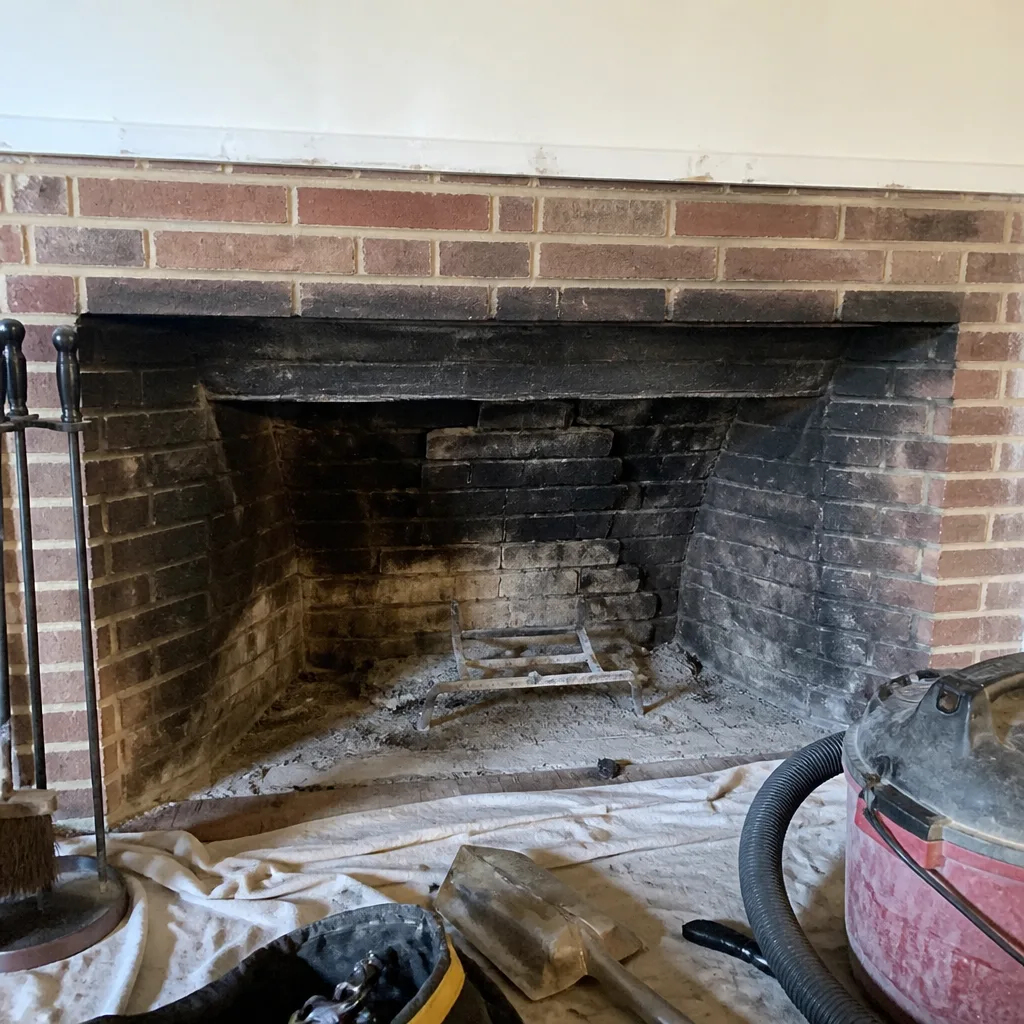 Before
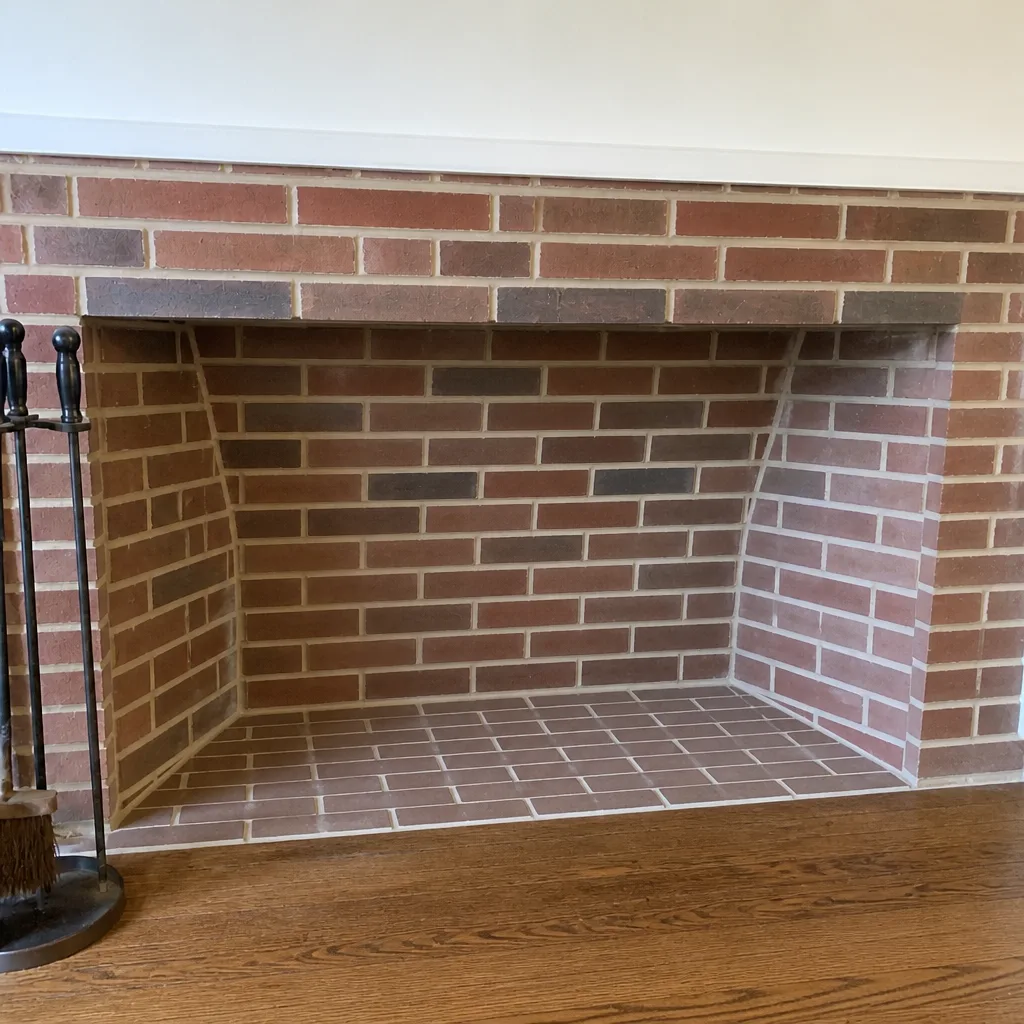 After
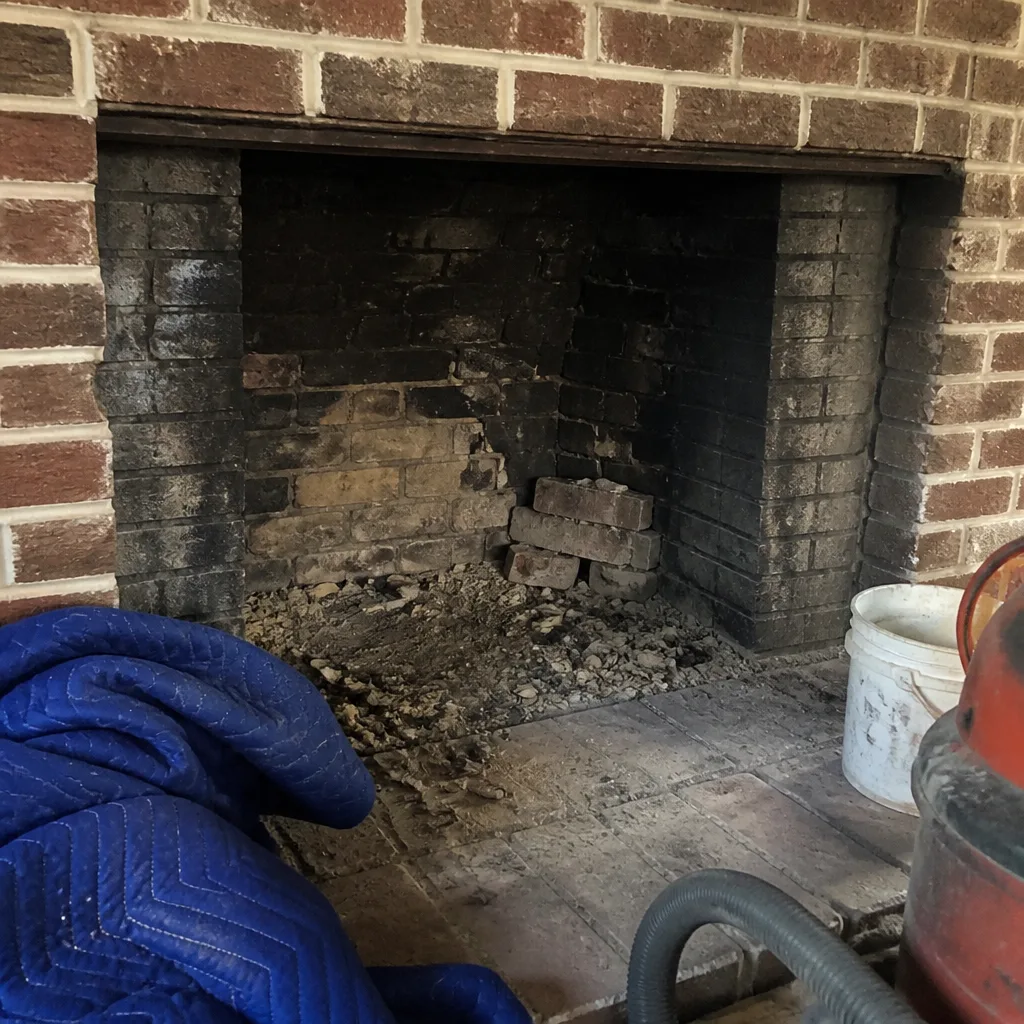 Before
 After
 Before
 After