
Last updated November 15, 2026
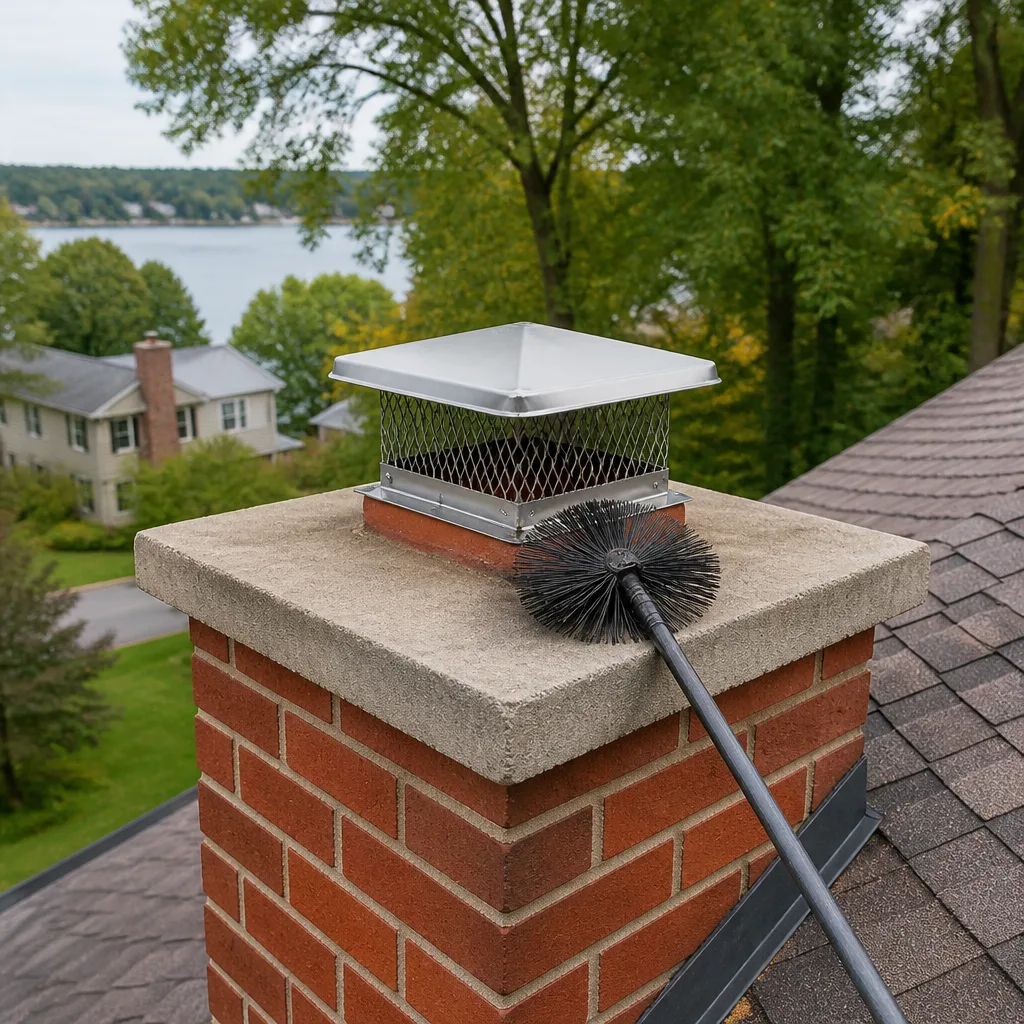 Sweep & inspection
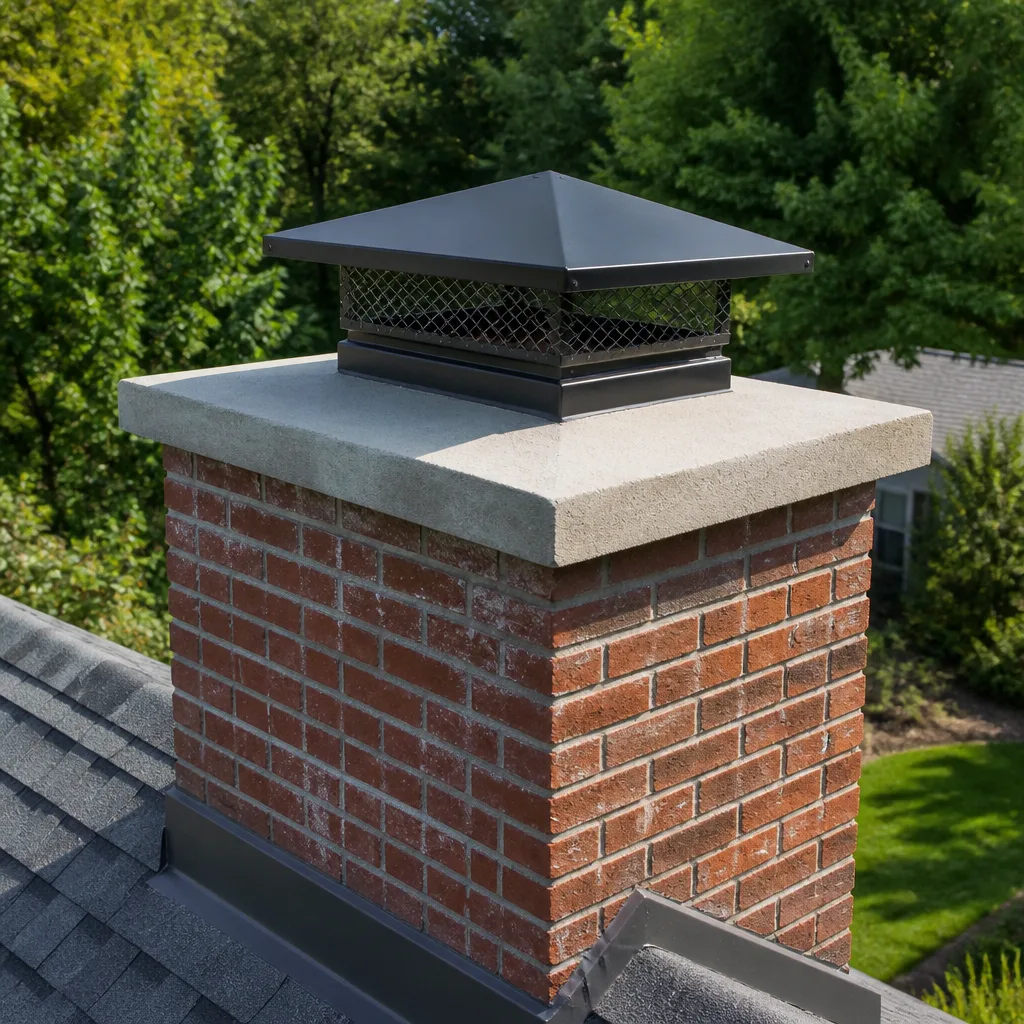 Caps & crowns
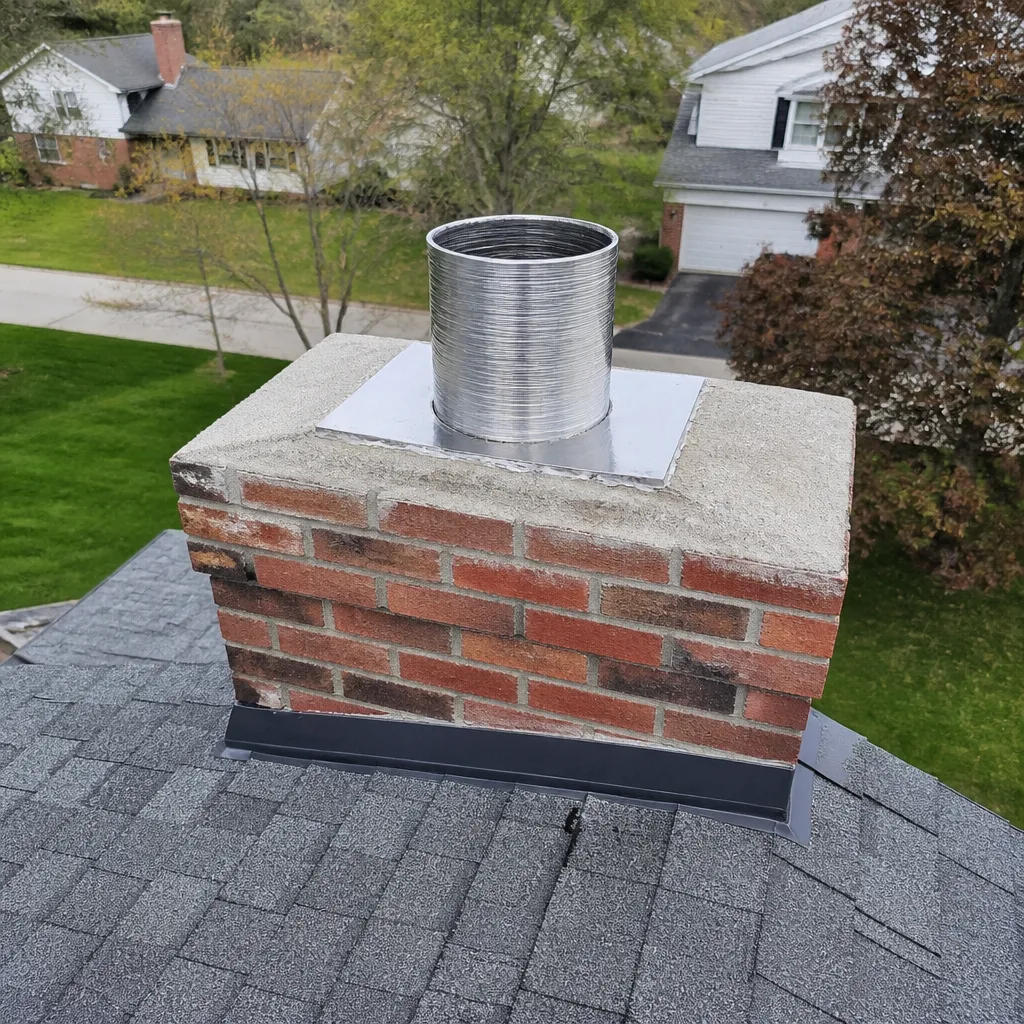 Flue relining
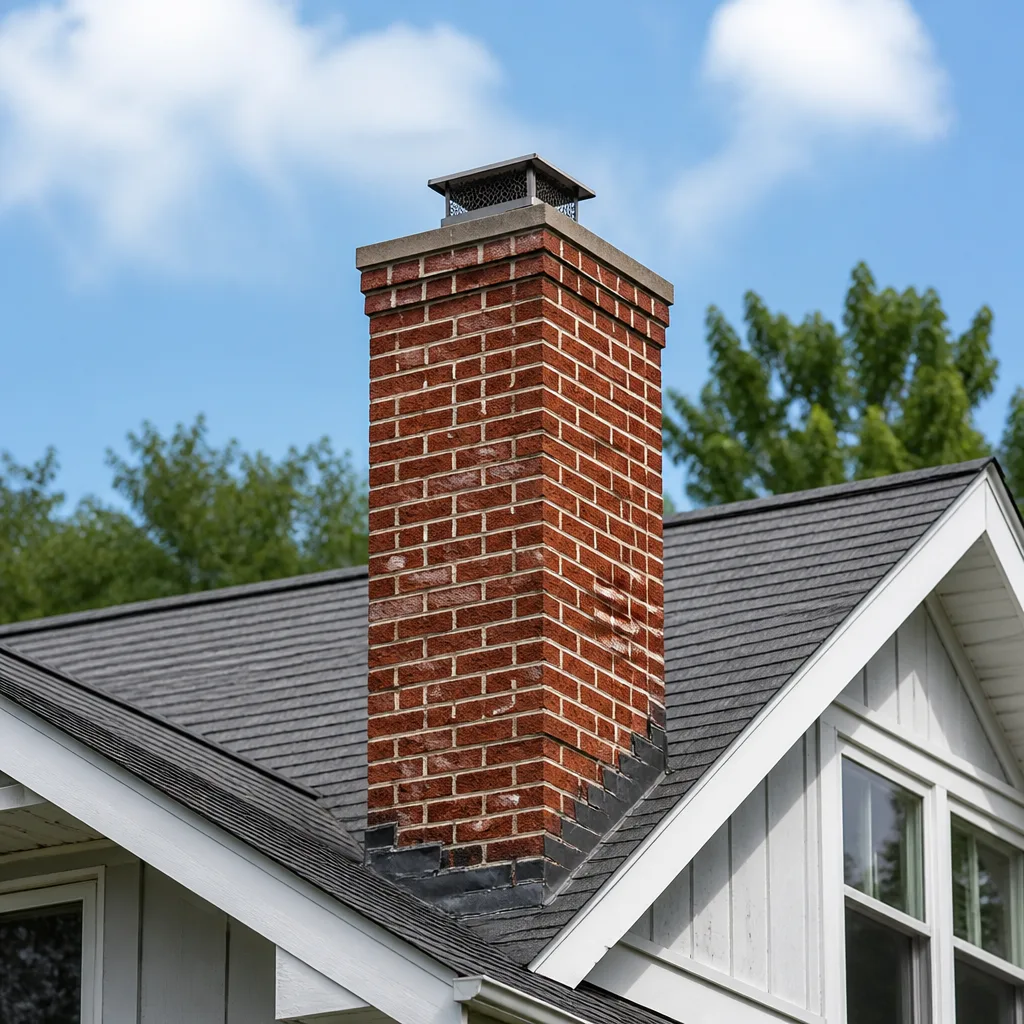 Masonry repair
 Gas fireplace service
Level 1 sweep and inspection to the NFPA 211 annual standard - flue, crown, cap, and flashing checked and photographed
Chimney sweep logs do not sweep chimneys. They loosen some creosote - which then falls where a brush and vacuum still have to collect it.
The Complete Chimney Inspection Guide for Cleveland Homeowners
Most chimney inspections in Cleveland miss the real damage. Not because the inspector is careless, but because the checklist they’re using was written for a milder climate. Cleveland winters hammer a chimney in a way that mild-winter checklists don’t account for: water gets into hairline cracks, freezes, expands, thaws, and forces the crack wider. Do that cycle dozens of times in a single season and you get the kind of slow structural failure a casual look from the ground will never reveal. This guide walks you through what a proper inspection should cover here, why the freeze-thaw cycle changes the stakes, and how to tell a real inspection result from a verbal “looks fine.”
Quick Answer
A chimney inspection in Cleveland should be matched to your situation: a Level 1 visual inspection for routine annual upkeep, a Level 2 camera inspection after any chimney fire, storm event, or before buying a home, and a Level 3 inspection when hidden damage is suspected. On top of the standard NFPA 211 framework, your inspector needs to probe specifically for freeze-thaw damage – spalling brick faces, a cracked crown, and separated liner joints – that a milder-climate checklist will miss. A legitimate inspection produces a written report with photos and an NFPA classification, not a verbal thumbs-up.
Styles & brands we work with
- Sweep & inspection
- Caps & crowns
- Flue relining
- Masonry repair
- Gas fireplace service
Table of Contents
- The three inspection levels and which one Cleveland weather calls for
- What Cleveland’s freeze-thaw cycle does to masonry
- What a camera inspection of the flue actually shows
- How Lake Erie proximity changes creosote buildup
- What documentation a real inspection produces
- How the inspection process works, start to finish
- What an inspection costs in Cleveland
- Common mistakes to avoid
The Three Inspection Levels – and Which One Cleveland Weather Calls For
The National Fire Protection Association sets the standard here. NFPA 211 defines three inspection levels, and knowing which one applies to your situation is the first step in avoiding a wasted visit or, worse, a missed problem. A Level 1 is a visual check of accessible portions of the chimney and venting with readily available tools. It’s the standard annual inspection for a chimney that’s been under routine care and hasn’t had any known events. A Level 2 is far more thorough: it includes everything in Level 1 plus a video camera scan of the flue interior, and it’s required after a chimney fire, after an earthquake or severe weather event, and before a property changes hands. A Level 3 goes further still, opening up concealed areas of the chimney or building when a Level 1 or Level 2 finds damage the inspector can’t fully see.
In Cleveland, the appropriate level depends on what your chimney has been through:
- After a normal season of burning, with no known incidents: Level 1 is usually right, paired with a cleaning.
- After a Cleveland winter with a lot of freeze-thaw activity, especially on an older chimney: ask for a Level 2 so the flue gets a camera scan. The exterior masonry tells you part of the story; the interior liner tells the rest.
- After a chimney fire, a lightning strike, or a severe storm with wind-driven rain or falling limbs: Level 2, no exceptions.
- Before buying a home in Cleveland: Level 2. A seller’s “we had it swept last year” doesn’t tell you the liner’s condition.
- When a Level 2 reveals damage that can’t be fully assessed without opening things up: Level 3.
The reason Level 2 matters so much in this climate is that Cleveland’s freeze-thaw cycle does its worst work on the parts of the chimney you can’t see from the ground or the firebox. A Level 1 alone can give a false sense of security if the exterior looks fine and the only real damage is inside.
What Cleveland’s Freeze-Thaw Cycle Does to Masonry
Cleveland gets a lot of freeze-thaw cycles each winter, and each one is a small event that widens whatever crack the previous summer left behind. Water finds its way into a mortar joint or a hairline crack in the brick face, freezes, expands with real force, then thaws. Do that over and over and you get three failure patterns that an inspector working in this climate should always probe for.
Spalling brick faces. When water gets behind the hard outer face of a brick and freezes, it pushes the face off entirely. The brick looks like it’s shedding a layer, sometimes leaving a rough, crumbly core exposed. Spalling is a strong signal that moisture has been cycling in and out of that masonry for a while. An inspector should tap, probe, and check the faces on the most weather-exposed sides of the chimney, not just glance at them.
Crown cracking. The crown is the concrete cap at the top of the chimney that sheds water away from the masonry below. Freeze-thaw cycles crack crowns, and a cracked crown lets water run straight down into the chimney’s interior. It’s the most common entry point for the damage that follows. An inspector needs to look at the crown up close, not with binoculars from the ground, and check for cracks, separation from the flue, and any spot where water would pool instead of running off.
Liner joint separation. Clay tile liners are built from stacked sections with joints between them. Water that gets into the chimney and freezes behind or between those sections can push the joints apart. A separated joint is a path for heat and combustion gases to reach the structure around the flue. It’s also invisible to a visual inspection without a camera, which is exactly why a Level 2 matters after a hard Cleveland winter.
None of this is an argument for alarm. Plenty of Cleveland chimneys go years between real problems. But it is an argument for an inspector who knows what these patterns look like and knows to look for them, rather than working from a checklist built for a place that doesn’t freeze and thaw like this.
What a Camera Inspection of the Flue Actually Shows
A camera inspection puts a video probe down the length of the flue and shows you, in real time, what the inside actually looks like. It’s the part of a Level 2 inspection that catches the problems a visual-only visit will miss: cracks running across the face of a clay tile, spalling or crumbling tile surfaces, gaps between liner sections, missing or deteriorated mortar at the joints, and any place where the liner has separated or dropped out of alignment. It also reveals creosote buildup at a level of detail you can’t get from a brush and a flashlight.
Why does that matter? Because a good many liner problems are already a fire hazard before you can see them from the outside. A crack in a clay liner can let heat reach framing materials. A separated joint can let combustion gases escape into the chimney structure instead of going up and out. If an inspection doesn’t include a camera scan, the liner’s condition is a guess, no matter how thorough the rest of the visit was.
What you should expect from a real camera inspection:
- A clear look at the flue interior, ideally with the inspector narrating what shows up on screen.
- Photos or video of anything unusual, so you’re not taking it on faith.
- A straightforward explanation of what each finding means and whether it needs action now or can be monitored.
- If the liner is compromised, a conversation about options, which can include repair or restoration rather than a full rebuild.
When liner restoration makes sense, the Shoreline Chimney Sweep team uses the HeatShield system, which can often restore a damaged flue without a full rebuild. When a liner is genuinely beyond repair, a flexible relining system like DuraFlex can bring the chimney back to a safe, code-compliant condition. Both are the kind of solution that requires a trained hand, and both are worth asking about by name when you’re discussing findings with any inspector.
How Lake Erie Proximity Changes Creosote Buildup
Creosote buildup is the accumulation of unburned wood byproducts inside the flue, and its rate is governed mainly by how the fire burns and how the chimney vents. Still, proximity to Lake Erie adds another variable: moisture. Chimneys on the west side of Cleveland, closer to the lake and more exposed to the prevailing damp, tend to take on more moisture in the masonry and the flue than chimneys further inland. Damp masonry speeds the weathering of the brick, mortar, and crown, and moisture in the flue can affect how draft behaves and how creosote deposits form.
In practical terms, the west-side neighborhoods see the moisture side of the problem more often, and inland neighborhoods can run warmer and drier, which changes draft behavior and the way creosote sets. We’ve seen creosote coat a flue faster in a chimney that burns poorly and drafts weakly than in one with a good supply of dry, seasoned wood, regardless of which side of town it’s on. The takeaway is not that one side of Cleveland is doomed and the other is fine. It’s that the inspection should be specific to your chimney’s exposure and your burning habits, not a one-size-fits-all schedule.
Two homes on the same street can have very different creosote loads depending on:
- How dry the firewood is (seasoned wood under 20% moisture content is the target).
- How the fire is run (small, hot fires build less creosote than smoldering ones).
- Whether the chimney has a properly sized flue for the appliance.
- Whether the chimney is on an exterior wall, where it stays colder and drafts less reliably.
A chimney sweep in Cleveland should assess buildup at inspection time and tell you what your actual burning pattern calls for, which may be an annual sweep or could be more or less often depending on those factors.
What Documentation a Real Inspection Produces
If you get a verbal “looks fine” and a handshake, you did not get an inspection result. You got an opinion. A legitimate inspection produces a written report that cites the NFPA inspection level performed, describes findings in plain language, and includes photos of anything the inspector flagged. That documentation matters for two reasons: you can act on it, and you can compare it against the next inspection a year or two down the line to see whether a small issue is holding steady or getting worse.
What to expect in a real report:
- The inspection level (1, 2, or 3) and a short note on why that level was chosen.
- Written findings for each part of the system: firebox, damper, smoke chamber, flue, crown, cap, flashing, and exterior masonry.
- Photos of any issues, with enough context that you can see what the inspector saw.
- Recommendations stated plainly: what needs attention now, what can wait, and what to keep an eye on.
- Any safety concerns called out clearly, especially anything that would make further use of the fireplace unsafe until it’s addressed.
Why is this important enough to call out? Because the single biggest hesitation homeowners have about chimney work is being told they need thousands of dollars of repair they have no way to verify. A written report with photos answers that directly. You see the crack, you see the separated joint, you understand why it matters. If the report shows the chimney is in fine shape, that’s just as valuable, because it tells you what you actually need to do next year instead of guessing.
How the Inspection Process Works, Start to Finish
A thorough chimney inspection in Cleveland usually follows the same sequence, whether it’s paired with a cleaning or done on its own. Here’s what to expect so you know what’s happening while it does.
- A conversation before any tools come out. The inspector asks about your burning habits, how often the fireplace is used, when it was last serviced, and whether you’ve ever had a chimney fire or noticed signs of one.
- Exterior inspection. The crown, cap, flashing, brick faces, and mortar joints get checked from up close, not from the ground. This is where spalling and crown cracks show up.
- Interior inspection. The firebox, damper, and smoke chamber are examined for cracks, gaps, or signs of overheating.
- Flue scan. For a Level 2, the camera goes down the flue to check for cracks, joint separation, and creosote buildup. This is the step that catches the liner problems a visual check misses.
- A sweep, if needed. If it’s time for a chimney sweep, it gets done as part of the visit so you don’t have to schedule a second trip.
- Findings and report. The inspector walks you through what was found and delivers the written report with photos.
- A plan for anything that needs fixing. If repair is needed, you get a clear explanation of options, including restoration versus replacement where that applies, and an estimate.
The last step is where a chimney-only specialist stands out from a multi-trade generalist. A service that inspects and cleans but hands off any real repair work leaves you to find a second contractor, explain the findings all over again, and hope the two agree. A specialist that inspects, cleans, and repairs handles it start to finish. That’s how we operate, and it’s why we stock professional-grade materials from brands like HeatShield, DuraFlex, Gelco, and Copperfield instead of relying on commodity parts.
What an Inspection Costs in Cleveland
An inspection fee typically covers the visit and the written report. A basic Level 1 visual inspection commonly runs less than a Level 2 with a camera scan, and a Level 3 that involves opening up concealed areas runs higher still. A cleaning bundled with the inspection is usually less than paying for the two separately. The exact price depends on the chimney, the level of inspection, and whether a sweep is included, so the written estimate is what sets the final number.
Typical Cleveland-area estimate ranges, called out by inspection level:
| Service | What it includes | Typical estimate |
|---|---|---|
| Level 1 inspection | Visual check of accessible chimney and venting | Lower of the three tiers |
| Level 1 inspection + sweep | Visual check plus full cleaning | Middle of the range |
| Level 2 inspection | Level 1 plus video scan of the flue interior | Middle to higher range |
| Level 2 + sweep | Video scan plus full cleaning | Higher range |
| Level 3 inspection | Opens concealed areas when damage is suspected | Highest, quoted after a Level 2 |
We give a flat-price sweep agreed before booking, a camera inspection and a photo report included, and a satisfaction guarantee. You should be able to tell from the estimate exactly which level of inspection you’re paying for and what you’ll get in writing at the end. If a quote doesn’t specify the inspection level, ask before you book. And if a report recommends significant liner or masonry work, ask to see the camera footage and photos behind the recommendation. Nothing should be recommended that you can’t see the evidence for yourself.
It’s also fair to ask whether a piece of work can safely wait. A lot of small chimney issues can be monitored for a season and addressed when it’s convenient. The one thing worth treating as urgent is anything that makes the fireplace unsafe to use, and a good report will say so plainly.
Common Mistakes to Avoid
- Accepting a verbal “looks fine.” Without a written report and photos, you have no record of the chimney’s condition and nothing to compare against next year. Insist on documentation every time.
- Skipping the camera scan after a hard Cleveland winter. A Level 1 visual check can’t see liner joint separation or a cracked flue tile. On an older chimney, the flue interior is where the real story is, so ask for a Level 2.
- Assuming the exterior looks fine so the chimney is fine. Cleveland’s freeze-thaw damage often starts inside the flue and behind the masonry before it shows on the surface. Judge the chimney on what the inspection found, not on how it looks from the driveway.
- Hiring a generalist for a chimney problem. A handyman who sweeps chimneys as a side service usually can’t do the liner or masonry repair that a real finding calls for. Look for a chimney-only specialist who handles inspection, sweep, and repair under one roof.
- Letting a recommended repair go without seeing the evidence. Photos and camera footage should come with any substantial recommendation. If they don’t, ask for them before agreeing to anything.
- Waiting for a problem to announce itself. Chimney issues rarely give obvious warning signs. The point of an annual inspection is to catch small damage before a Cleveland winter turns it into something bigger.
- Forgetting the crown. A cracked or separated crown is the most common entry point for water. Ask specifically whether the crown was checked and what condition it’s in.
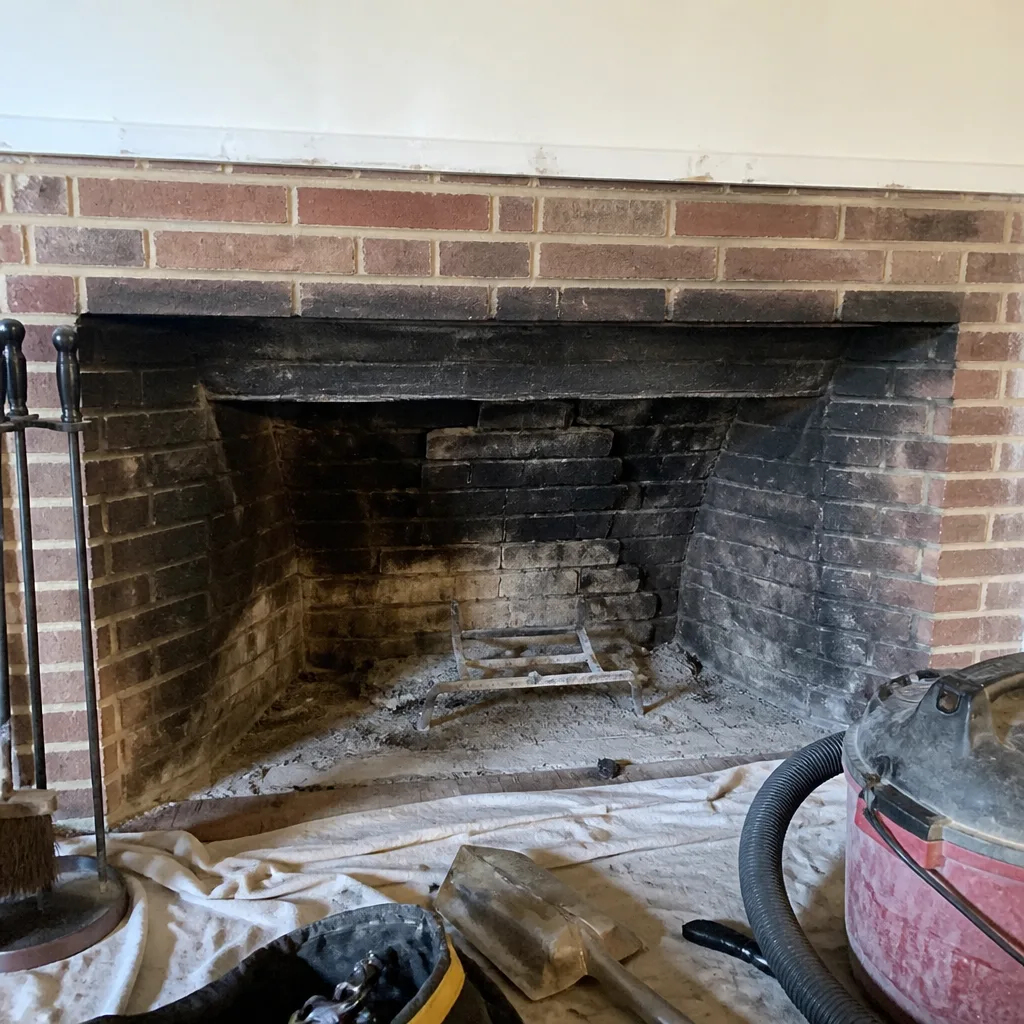
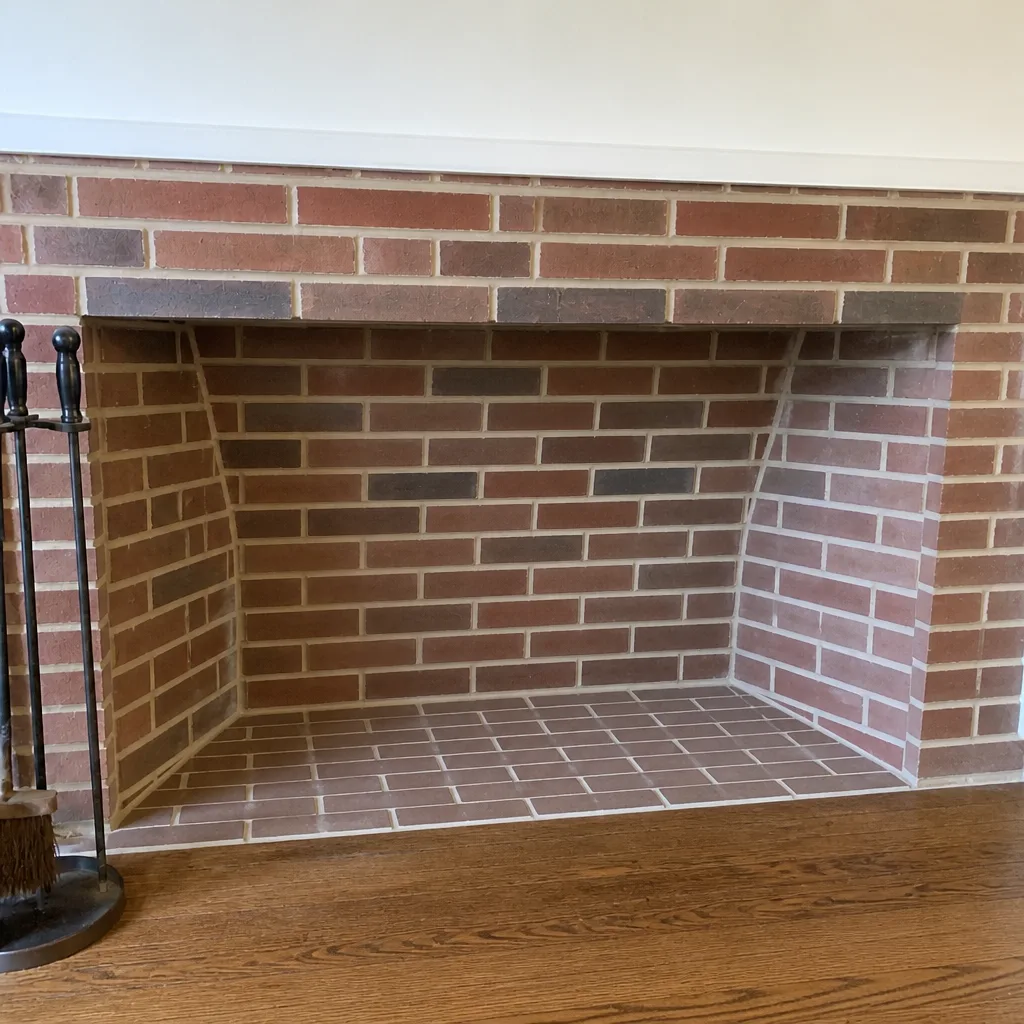
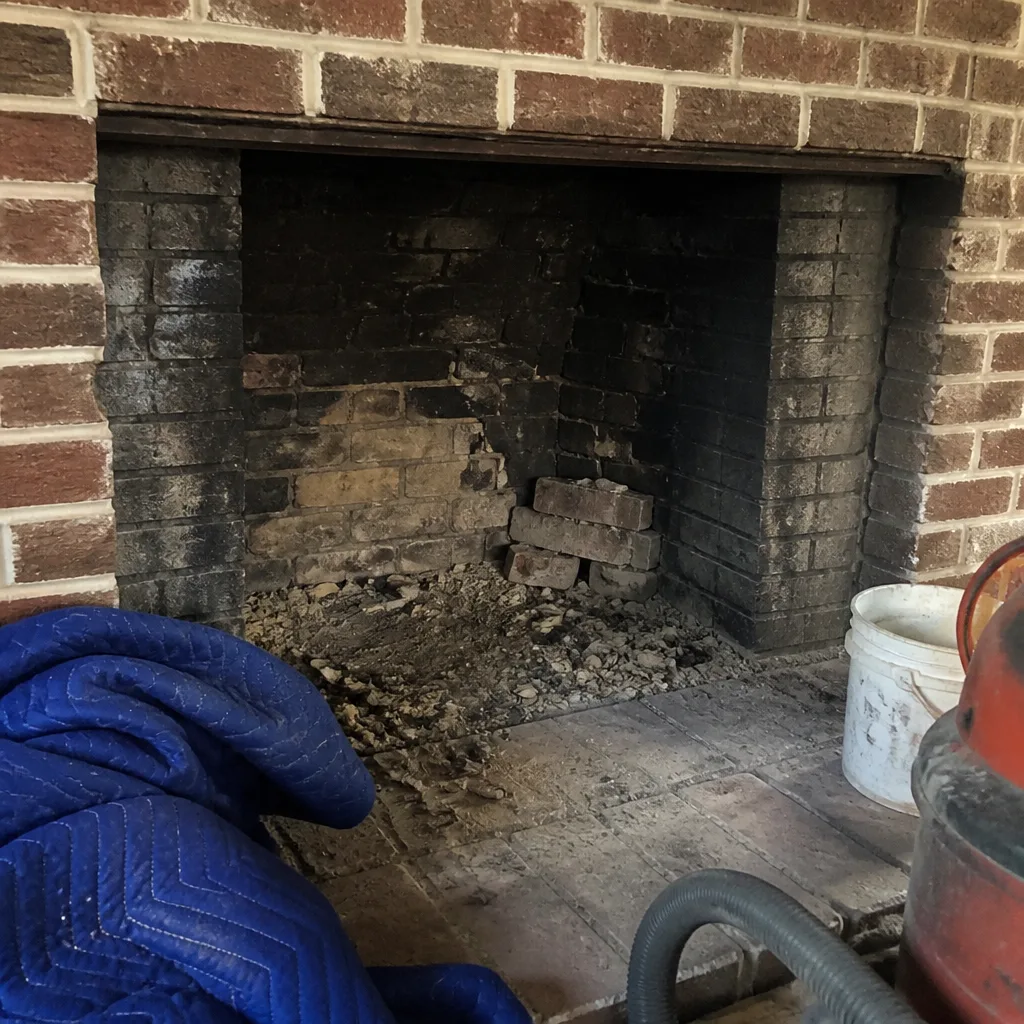
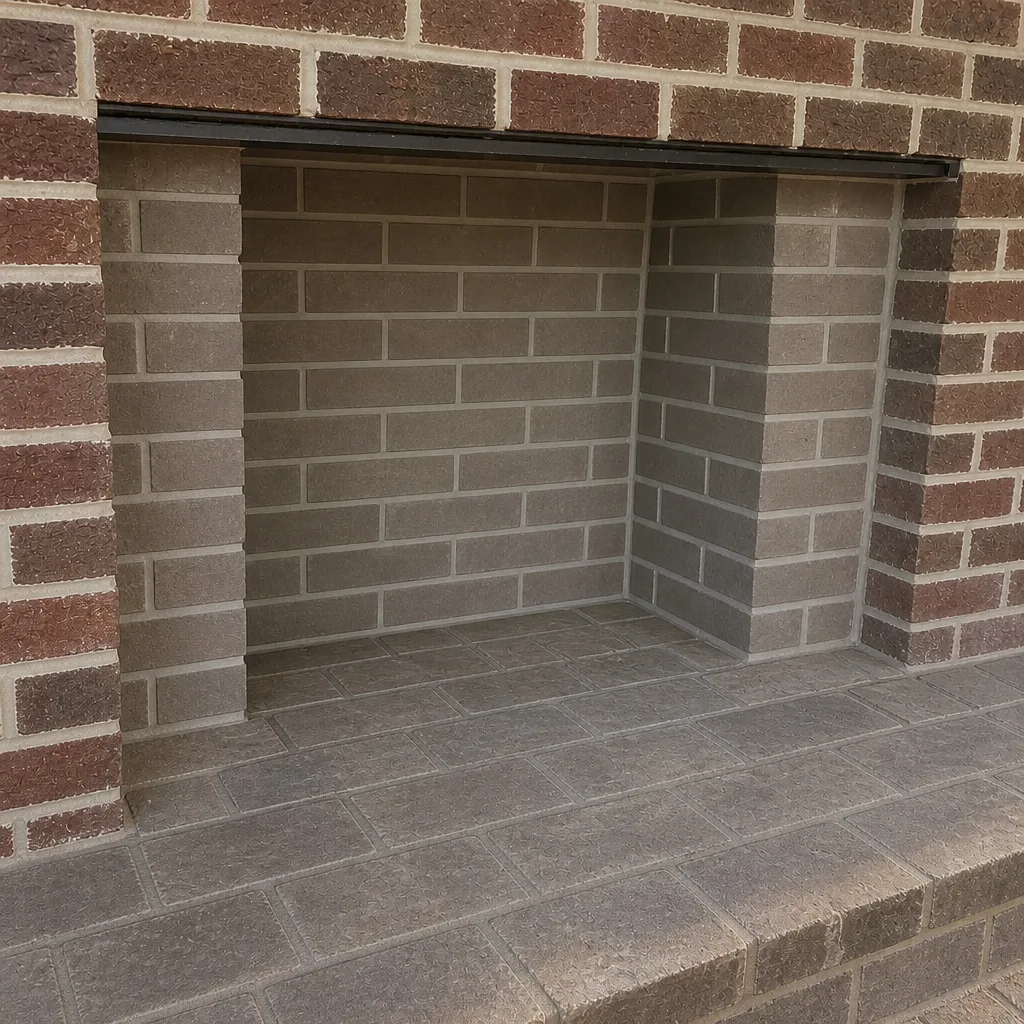
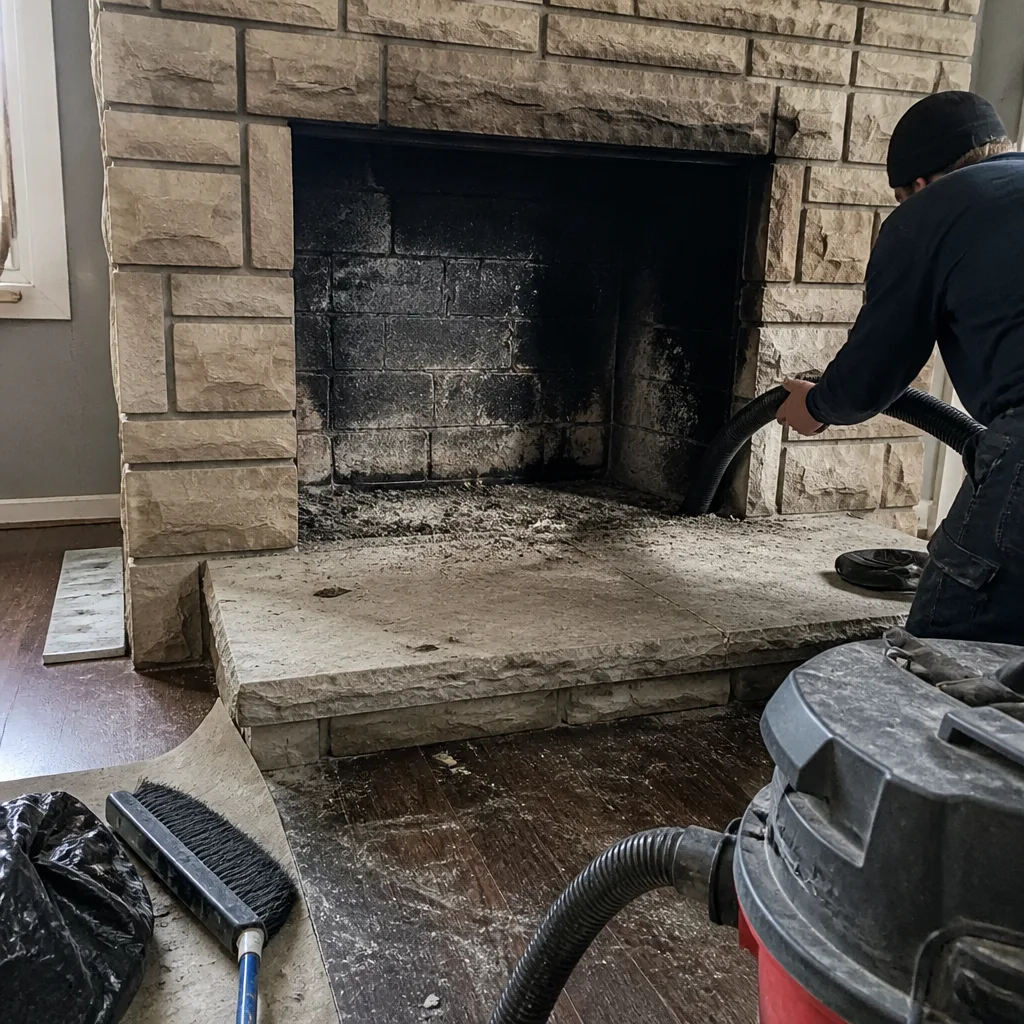
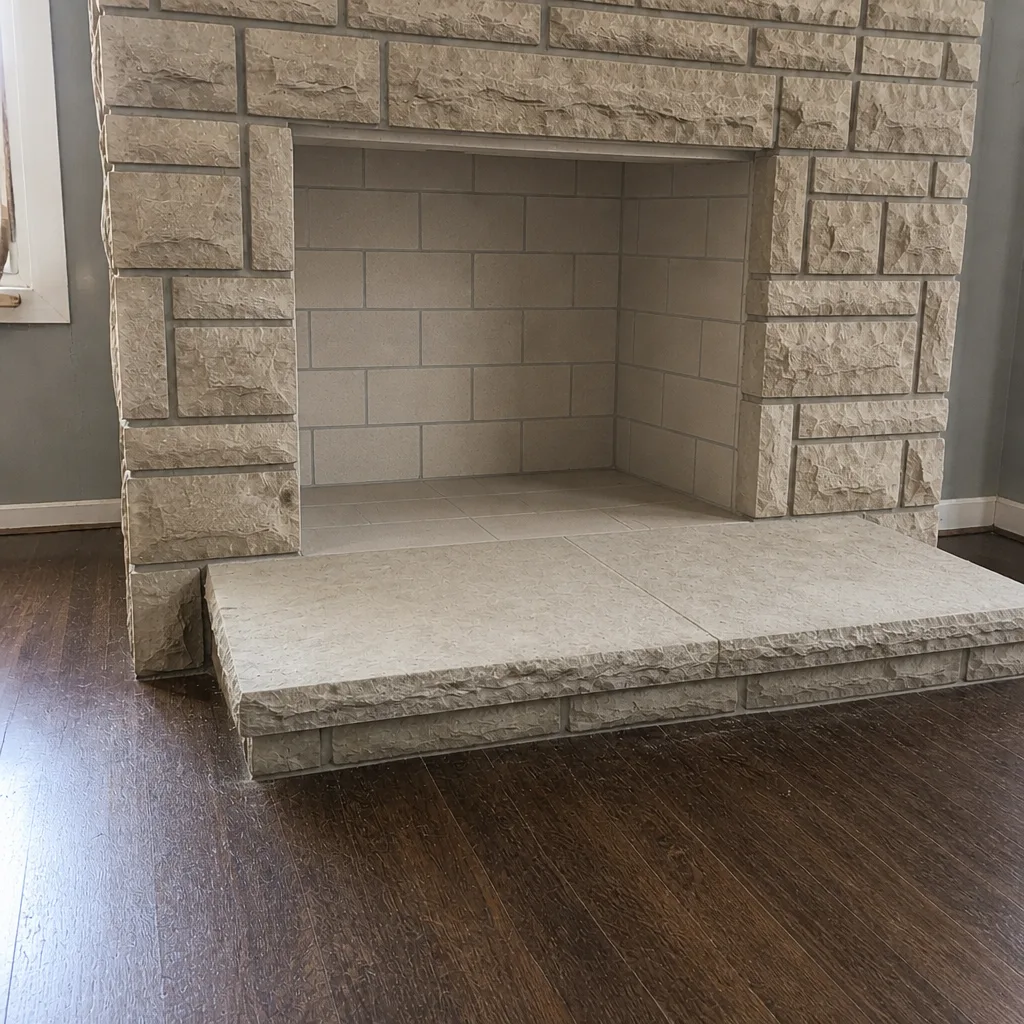
See the difference
 Before
 After
 Before
 After
 Before
 After
When to Call a Professional
Call a professional if it’s been more than a year since your last inspection, if you’ve had a chimney fire even if it seemed minor, or if you’ve noticed anything off: a strong smell after burning, smoke spilling into the room, visible cracking on the exterior, or a damper that doesn’t seal. After a severe storm or a hard Cleveland winter, a Level 2 inspection with a camera scan is the right call on an older chimney. If you’re buying a home in the area, get a Level 2 before you close. And if you’ve been told you need liner or masonry work and want a second set of eyes and a written report, that’s a reason to call too.
Shoreline Chimney Sweep offers free estimates in Cleveland – call (844) 962-2617. We answer 24/7. Fast dispatch from 7am to 7pm, Sunday through Friday.
Frequently Asked Questions
A Level 1 inspection is the least expensive option and a Level 2 with a camera scan runs higher, with a Level 3 quoted only after a Level 2 finds something that needs opening up. Bundling a sweep with the inspection usually costs less than booking the two separately. The written estimate sets the final price, so ask for one that spells out the inspection level. Call (844) 962-2617 for an exact quote – estimates are free.
Once a year is the standard for a chimney in regular use, and it’s the right baseline here because the freeze-thaw cycle can turn a small crack into a bigger one over a single winter. A chimney that’s used heavily or burns unseasoned wood should be checked at least annually, and the inspection should include a camera scan on an older or unlined flue. If it’s been more than a year, book it before the next heating season. Call (844) 962-2617 for an exact quote – estimates are free.
You need one if your chimney is older, unlined, or hasn’t had a camera scan in a while, because freeze-thaw stress works on liner joints you can’t see from the outside. It’s also required after a chimney fire or storm, and before buying a home. A Level 2 shows you the liner’s actual condition rather than guessing at it. Call (844) 962-2617 for an exact quote – estimates are free.
A skipped inspection means small damage goes unnoticed, and in this climate the freeze-thaw cycle accelerates the damage while it waits. The risk is a liner crack or separated joint that lets heat or combustion gases reach the chimney structure, which turns a modest repair into a larger one. It also means going into winter without knowing whether the fireplace is safe to use. Call (844) 962-2617 for an exact quote – estimates are free.
A real inspection shows you photos and camera footage of the findings, along with a written report of each part of the chimney and a clear note on what needs attention now, what can wait, and what to monitor. Nothing should be recommended without evidence you can see for yourself, and it’s fair to ask to see the footage before agreeing to any repair. Call (844) 962-2617 for an exact quote – estimates are free.
Often, yes. HeatShield restoration can bring a damaged clay tile flue back to a sound, code-compliant condition without rebuilding the chimney, and a flexible relining system like DuraFlex can reline a chimney whose existing flue is unlined or beyond repair. Which one applies depends on what the camera scan shows. A trained specialist can tell you what your specific flue needs and quote it from the evidence. For a chimney repair quote in Cleveland, call (844) 962-2617 – estimates are free.
They’re two different jobs, though the best visits combine them. A sweep removes soot and creosote from the firebox and flue; an inspection assesses the chimney’s condition and produces a written report. A dedicated specialist does both, and can also perform the repair work an inspection turns up, so you’re not handed a referral when a real issue shows up. If you’re searching for a Cleveland chimney service, look for one that inspects, cleans, and repairs rather than only brushes and leaves. Call (844) 962-2617 for an exact quote – estimates are free.
The Bottom Line
A chimney inspection in Cleveland should do two jobs: cover the standard NFPA 211 levels, and account for what Lake Erie winters actually do to masonry and liners. That means a camera scan of the flue on older chimneys, a close look at spalling brick, the crown, and liner joints, and a written report with photos you can act on. The quick version: ask for a Level 2 after a hard winter or a storm, never accept a verbal “looks fine,” and only agree to repair work you can see evidence of. Our technicians have up to experience and work from professional-grade materials like HeatShield, DuraFlex, and Copperfield, so the inspection, the sweep, and any repair happen with one accountable specialist. Our chimney inspections in Cleveland start with a free estimate. Call (844) 962-2617. We answer 24/7. Fast dispatch from 7am to 7pm, Sunday through Friday.
Written by the team at Shoreline Chimney Sweep.