
Last updated November 15, 2026
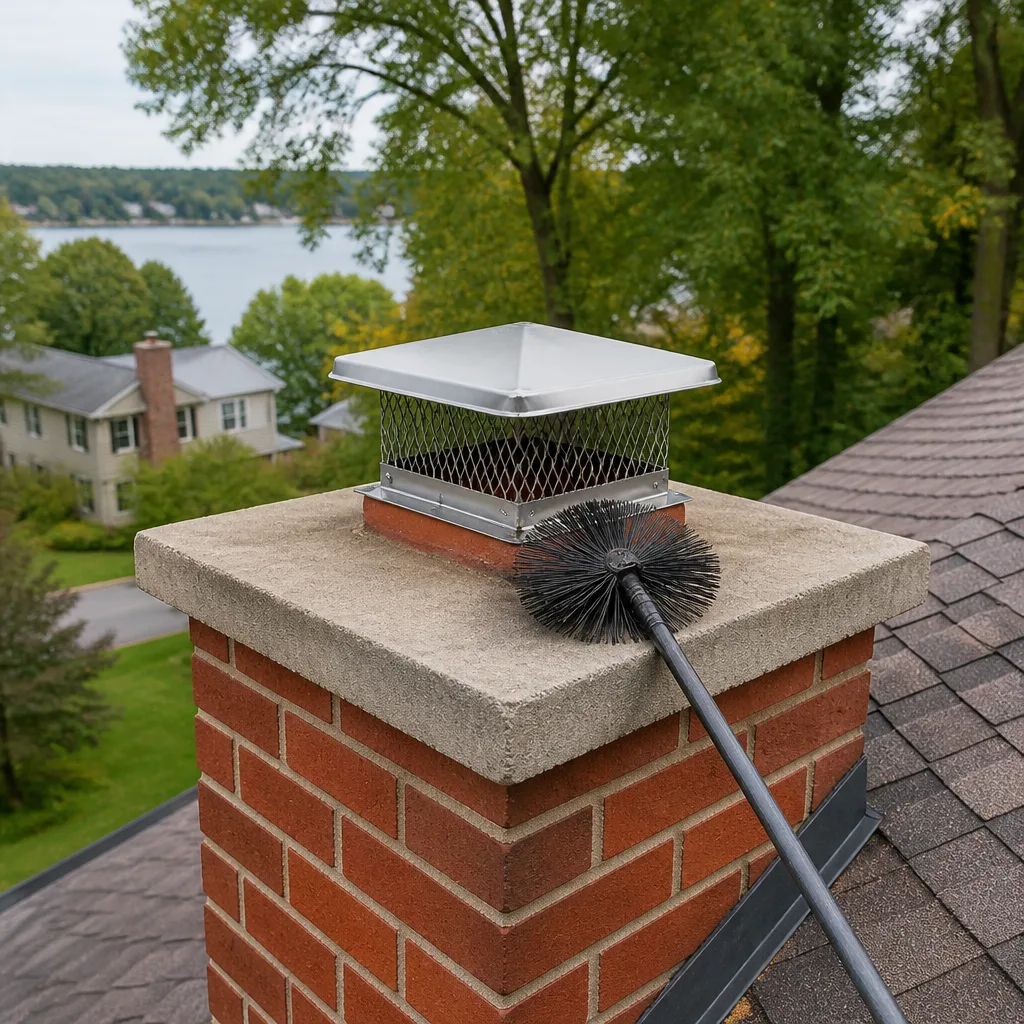 Sweep & inspection
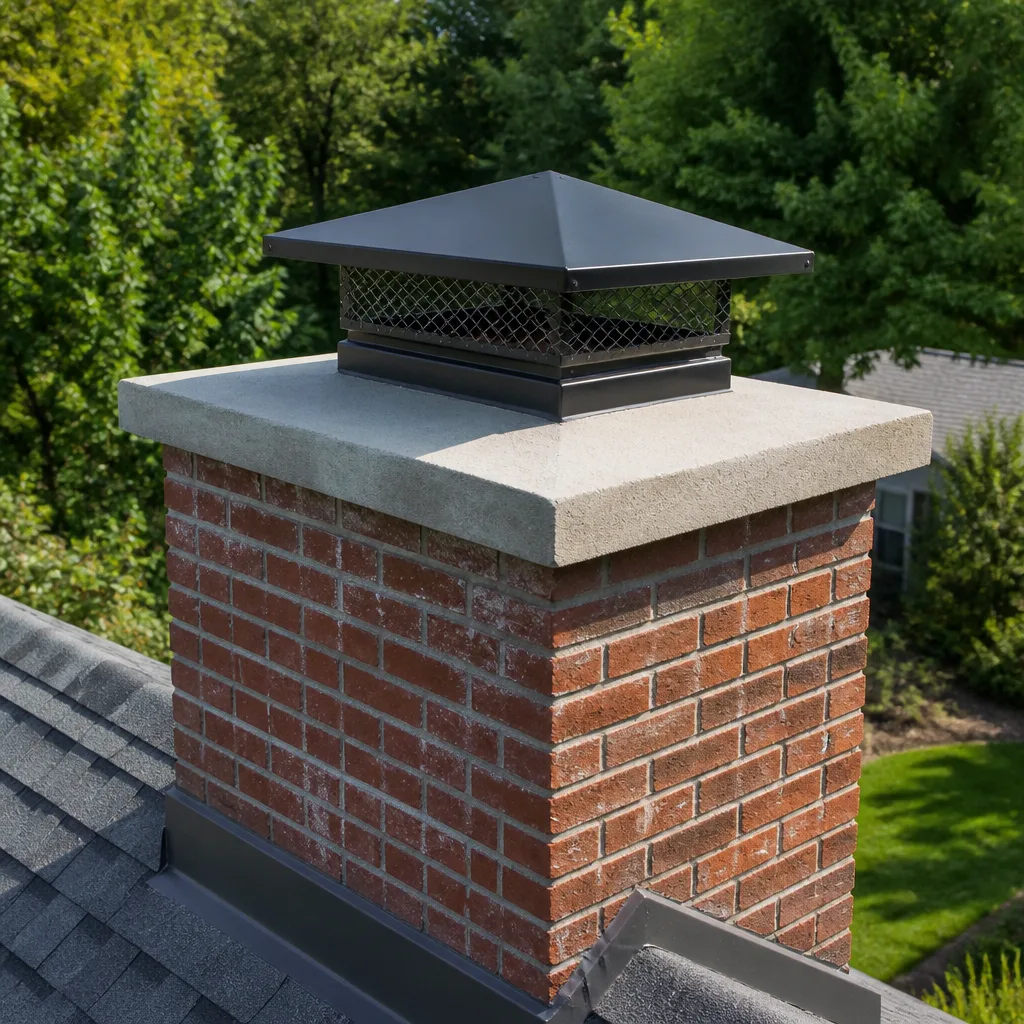 Caps & crowns
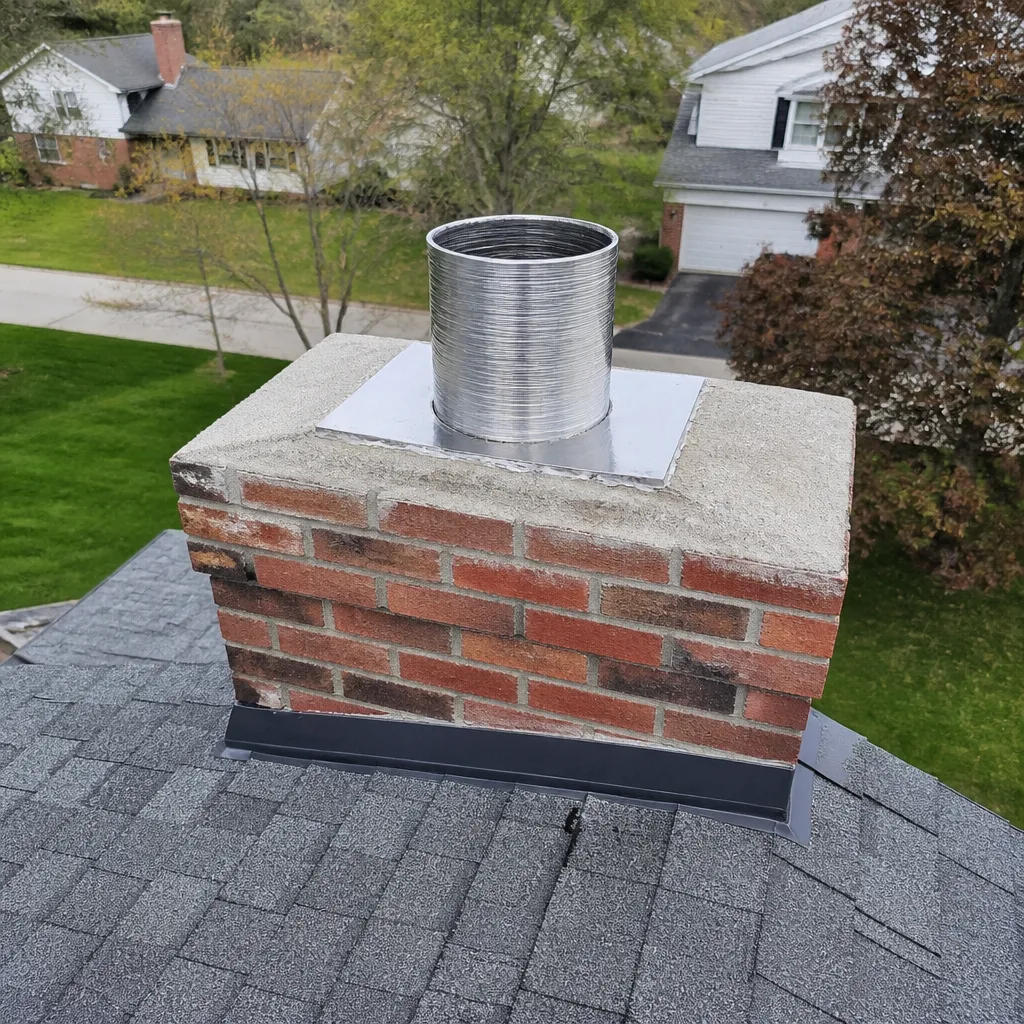 Flue relining
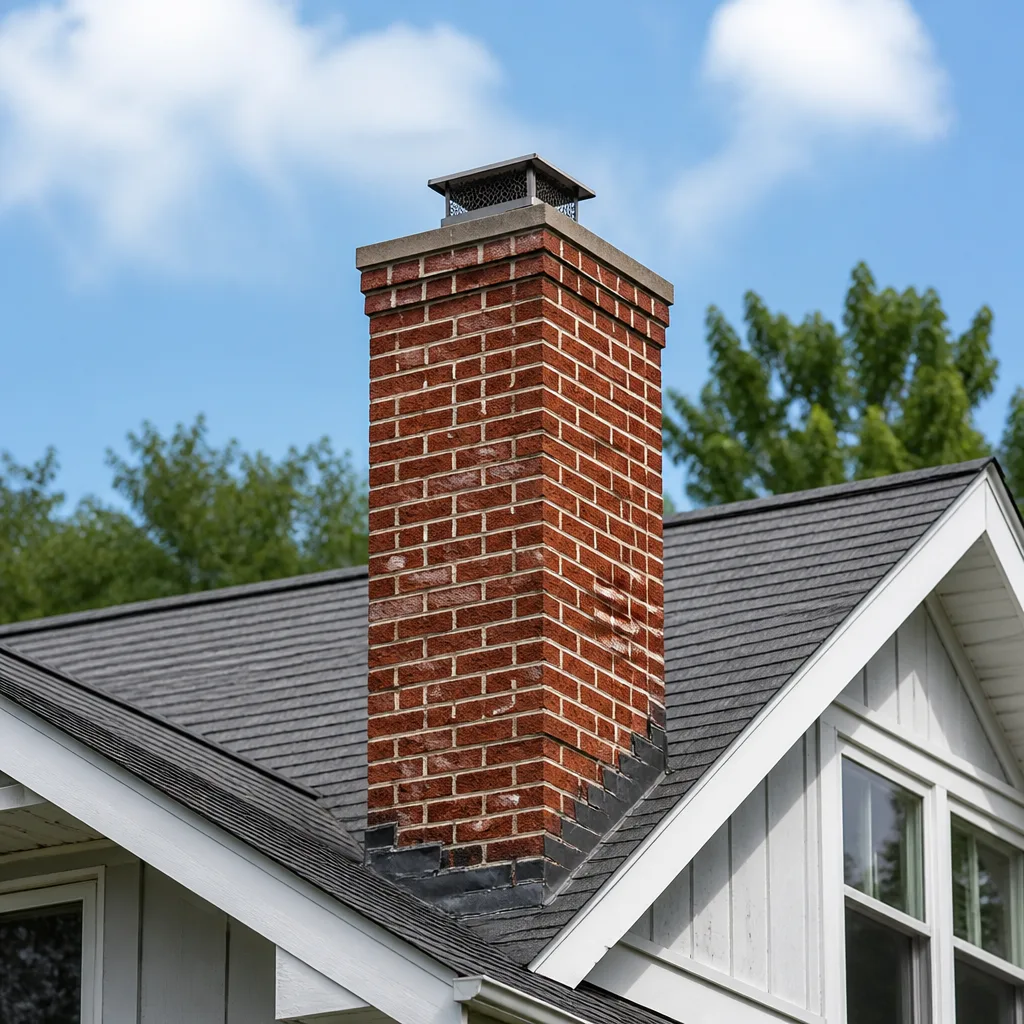 Masonry repair
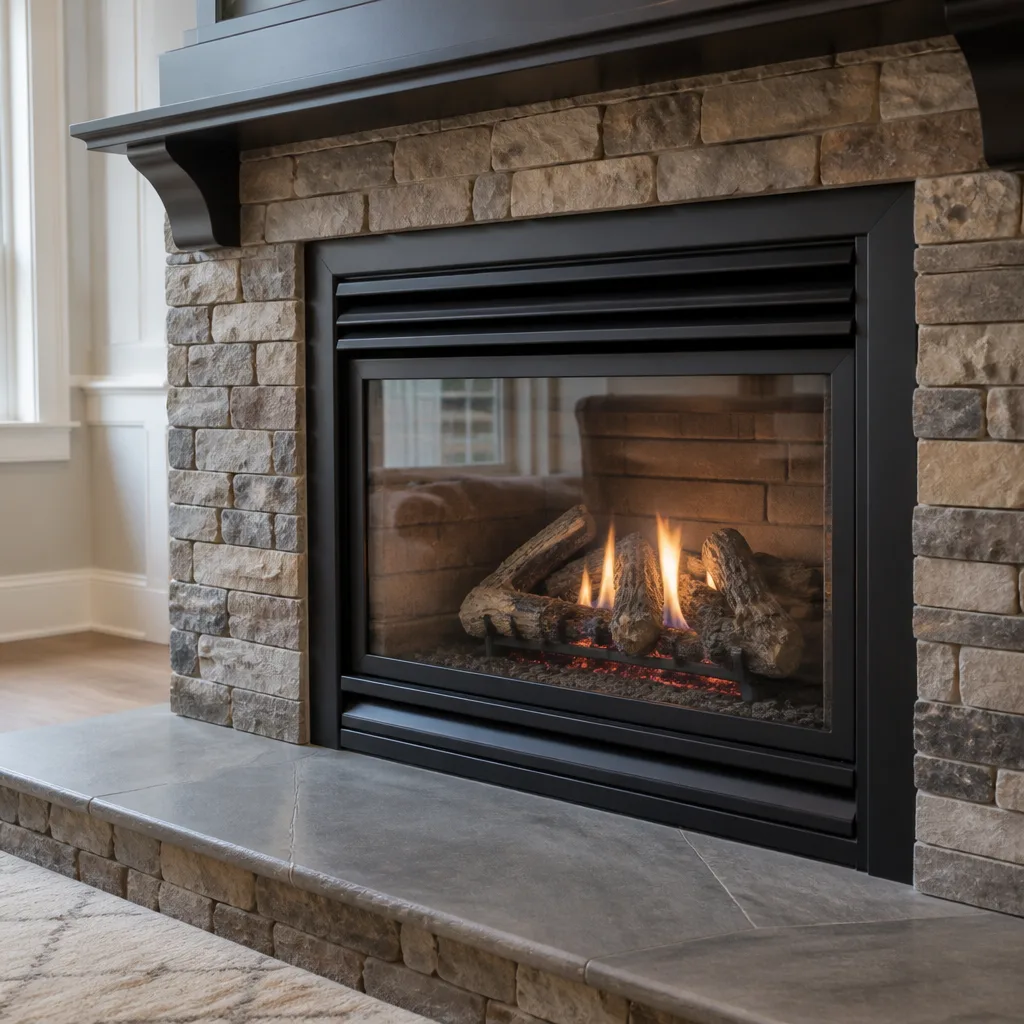 Gas fireplace service
Level 1 sweep and inspection to the NFPA 211 annual standard - flue, crown, cap, and flashing checked and photographed
Chimney sweep logs do not sweep chimneys. They loosen some creosote - which then falls where a brush and vacuum still have to collect it.
Seasonal Chimney Cleaning Care for Cleveland: Year-Round Homeowner’s Guide
Most Cleveland homeowners assume their chimney’s hardest season is winter. It isn’t. More chimneys around here take structural damage between February and April than in any three months of burning, because freeze-thaw cycling works water into hairline cracks that opened during the heating season, and by the time the daffodils come up the mortar has started to spall and the crown looks like a dry riverbed. The fire did the burning. The thaw did the breaking. This guide splits chimney care into four distinct seasons, mapped to Cleveland’s four distinct stress periods, and shows you what to do in each one so small seasonal problems don’t compound into one expensive repair.
Quick Answer
Chimney care in Cleveland works best as four seasonal checkpoints, not one annual sweep: clean and inspect before your first fall fire, monitor performance through winter, book the critical post-heating inspection in April or May when freeze-thaw damage is visible, and waterproof and cap-tend in summer before humidity drives moisture deeper. Shoreline Chimney Sweep handles inspection, sweeping and repair in one visit because the season that finds the problem should be the season that fixes it.
Styles & brands we work with
- Sweep & inspection
- Caps & crowns
- Flue relining
- Masonry repair
- Gas fireplace service
Table of Contents
- Why Cleveland Chimneys Age on a Four-Season Clock
- Fall: Clean Before the First Fire, Not After the Last
- Winter: Reading Performance Without Taking the Chimney Apart
- Spring: The April-May Inspection That Saves the Summer Repair
- Summer: Waterproofing, Caps and Cleveland’s Humidity Problem
- Building Your Four-Checkpoint Chimney Calendar
- What a Real Seasonal Inspection Should Include
- Common Mistakes to Avoid
Why Cleveland Chimneys Age on a Four-Season Clock
Cleveland doesn’t have one chimney season. It has four, and each one attacks a different part of the system. The heating season loads the flue with creosote. The freeze-thaw cycles of late winter push water into the cracks that heat opened. The humid stretches of summer soak masonry that never got sealed in spring. And the first cold snap of fall lights a fire behind creosote that’s been sitting wet for months.
That last part is the piece most homeowners miss. Creosote that spent June through September absorbing ambient moisture from Cleveland’s humid air is more combustible and more adhesive than dry creosote. When you light that first fire in October, you’re raising the temperature on a wet, sticky fuel layer that has had months to cure onto your flue walls. This is why we clean in fall before the first burn, not in spring after the last one.
Here’s how the year breaks down in our experience across Cleveland:
- Fall (September-October): Ignition risk from summer-moistened creosote; cap and crown check before weather turns.
- Winter (November-February): Creosote accumulation, draft problems, smoke rollback, odor events during cold snaps.
- Spring (March-May): Freeze-thaw spalling, water staining, efflorescence, mortar joint failure.
- Summer (June-August): Humidity-driven moisture intrusion, cap damage from storms, waterproofing window.
None of these seasons is optional. That’s the difference between a chimney that needs a sweep every year and a chimney that needs a rebuild every decade. If you’re looking for a specialist who can inspect, clean and repair without sending you to a second contractor when a seasonal problem turns structural, that’s the whole reason Shoreline Chimney Sweep exists. Our technicians have up to experience, and we see more seasonal damage in a single April than most homeowners expect to see in a lifetime.
Fall: Clean Before the First Fire, Not After the Last
The conventional advice – “get your chimney swept once a year” – is right about the frequency and wrong about the timing. A fall sweep, done in September or early October before the first fire, removes the creosote that accumulated the previous winter while it’s still dry and brittle. A spring sweep, done in April, removes it after it’s been sitting through a humid summer. Guess which one protects you when you light the first fire.
Fall is also the season to inspect the exterior before winter locks everything in place. Once ice forms on the crown, you lose the window to repair it until spring, and every freeze-thaw cycle between now and then widens whatever crack you didn’t address.
Three things to check before your first fire:
- The cap. A missing or damaged cap lets rain, snow, birds and squirrels into the flue. If the mesh is torn or the cap is loose, water is already entering the system and will freeze-thaw its way into the crown all winter.
- The crown. Look for cracks, especially where the crown meets the flue. A crown that’s cracking lets water sit on top of the masonry through every thaw.
- The flue. You can’t see creosote depth from below. A camera inspection in early fall tells you exactly what’s on the walls before you light a match.
If your chimney service in Cleveland hasn’t been done in a year or more, fall is the appointment that matters. We bring a camera and show you the flue on the screen. Nothing gets recommended without evidence you can see for yourself, and if the flue is clean enough to wait until spring, we’ll tell you that too. Inspect, clean, repair – handled start to finish, which is the standard for chimney sweep work that doesn’t leave you hunting for a second opinion.
A word of caution: if you find significant creosote buildup, cracked flue tiles, or a damaged crown, don’t burn until it’s addressed. Those are the conditions that lead to chimney fires, and creosote ignition isn’t something you can judge by looking. Fall cleaning is cheap insurance against a real hazard – and the reason our clients schedule it before the first cold snap rather than after.
Winter: Reading Performance Without Taking the Chimney Apart
Winter is not the season to open the flue for inspection. Frost on the crown and thin flue walls make it worse than pointless. Winter is the season to watch how your chimney behaves and note what changes, because three patterns during the heating season are early warnings that something’s wrong.
Draft problems. If the fire is sluggish to start, smokes back into the room on cold mornings, or won’t hold a steady burn, the chimney is struggling to pull air. In Cleveland the most common cause is a flue that’s partially blocked by creosote or an obstruction, but it can also be a flue that’s too small for the appliance, an oversized chimney with a cold flue, or a draft issue created by exterior pressure changes in winter. Any of those needs an inspection, not a guess.
Smoke rollback. A puff of smoke when you first light the fire is normal on a cold flue. Consistent rollback that happens every time the fire is lit means the pressure balance has shifted, and the flue needs to be looked at before the next burn. In our experience, rollback is often the first symptom of a blockage that started as a damaged cap.
Odor patterns. A smell you notice only in cold weather or humid weather is usually a sign that creosote has absorbed moisture. A smell you notice after every fire, all winter, is a sign of buildup. This is not a “spray an air freshener” situation. It’s a “call for an inspection” situation.
What to check yourself through winter, without opening anything:
- Look at the exterior of the chimney from grade. New staining, new cracking, or ice forming on the masonry after a thaw means water is getting in.
- Watch for smoke coming back into the room at startup. Note when and how often.
- Listen for a hollow, roaring sound during a burn. That’s a warning sign, not a normal fire noise.
- Check the carbon monoxide detector. A draft that reverses can push combustion gases into the living space, and CO poisoning is the specific hazard that makes winter chimney monitoring a safety issue, not a comfort one.
And keep your smoke detector and carbon monoxide detector tested. Those are the two devices that protect you when a winter chimney problem develops between inspections.
Spring: The April-May Inspection That Saves the Summer Repair
Spring is the most important chimney appointment of the year, and almost nobody books it. By April, the freeze-thaw damage of February and March is fully visible: mortar joints are spalling, rain has worked into cracks that opened during winter, and you can see water staining on the chimney face. By June, that same damage has been quietly drying out into an invisible problem. By October, you’re looking at a repair that started as a hairline crack in March.
Book the post-heating inspection in April or May. Not because there’s a fire risk at that moment – because the evidence is still visible.
What to look for in spring:
- Freeze-thaw spalling. Mortar joints that are crumbling, flaking or missing on the chimney face. That’s water freezing inside the masonry and pushing pieces off.
- Water staining. White or dark streaks on the chimney exterior. White is efflorescence – mineral salts pushed out of the brick by water migrating through. Dark is water holding in the masonry. Both mean water is entering the system.
- Efflorescence. The chalky white bloom that looks like powder on the brick. It’s not cosmetic. It tells you water is moving through the masonry, and the next freeze-thaw will make it worse.
- Damaged flue tiles. Only a camera can see this, but spring is when the flue interior has finished its winter cycle and the damage from the heating season is fully present. Inspect now, before summer moisture has a chance to compound it.
When we find damaged flue tiles in spring, the conversation is often about restoration rather than rebuild. That’s where HeatShield comes in – the liner restoration system can bring many damaged flues back into service without a full teardown, which is the higher-skill option most basic sweep services can’t offer. If the flue has been compromised to the point a full relining is needed, DuraFlex flexible liner systems handle it. The point of the spring inspection isn’t to sell you the biggest repair. It’s to catch the problem while restoration is still possible. Our chimney repair work draws from professional-grade brands – DuraFlex, HeatShield, Gelco, Olympia Chimney, Famco, Copperfield – for a reason: materials that hold up in Cleveland’s climate are the difference between a repair that lasts and a repair you’re repeating.
Summer: Waterproofing, Caps and Cleveland’s Humidity Problem
The most common summer chimney mistake in Cleveland is postponing the work. The reasoning sounds sensible: it’s hot, nothing is burning, why worry about the chimney? But summer is exactly when the damage compounds, because Cleveland’s humid summer air is the delivery mechanism that pushes water deeper into masonry that spring left vulnerable.
Waterproofing is the specific action summer calls for. A breathable masonry water repellent applied to the chimney exterior blocks liquid water from entering while letting vapor escape. This is the one summer task with the highest return, and it’s the one most homeowners skip until the first autumn storm does the damage.
Three summer maintenance items:
- Waterproofing. Applied to brick and mortar on the chimney body. It protects the masonry through the freeze-thaw cycles of the coming winter. Do it in June, not September – the product needs warm, dry, humid weather to cure.
- Cap maintenance. Inspect and repair or replace the cap. Summer storms do cap damage that goes unnoticed until fall, and a cap that’s failing through summer is a cap that’s not protecting the flue through winter.
- Flue-drying season. A chimney that got wet through winter and spring has all summer to dry. Waterproofing on the exterior actually helps this – it keeps new moisture out while the interior dries. So summer is the season you protect the system from the *next* winter, not the season you ignore it.
The specific products matter more than the sales pitch. Gelco masonry water repellents are formulated for exactly this application, and Olympia Chimney caps and components are built to survive a winter of ice load and storm wind. In our experience, the summer waterproofing job done with professional-grade materials in June is the single cheapest way to extend the life of a Cleveland chimney. If you’re going to do one thing between the spring inspection and the fall cleaning, this is it.
Building Your Four-Checkpoint Chimney Calendar
Most homeowners run a one-time “get it swept” model. It works until the first spring that drops a big freeze-thaw on an already-cracked crown. Switching to a four-checkpoint calendar is the difference between reactive and preventive care, and it costs no more – the annual sweep becomes the fall checkpoint, and the other three are inspections and maintenance you’d otherwise discover the need for the expensive way.
Here’s the calendar:
- September-early October: Camera inspection and full sweep. Exterior cap and crown check. This is your pre-season appointment. Book it before the first fire so the flue is clean and dry when you light it.
- November-February: Self-monitoring through winter. Watch draft, note rollback, test the CO detector, look for new staining and ice. No appointment needed unless something changes. Call if it does.
- April-May: The critical post-heating inspection. Look for spalling, water staining, efflorescence. This is the appointment that catches structural damage while it’s still visible and before it has grown.
- June-July: Waterproofing, cap maintenance and any repair found in the spring inspection, done in the warm dry months when the product can cure and the repair can be verified before the fall.
Four checkpoints, one of which is an actual appointment. The other three take an hour of your attention, total. Write them into your calendar now. The point isn’t to make chimney care complicated; it’s to stop treating chimney care as one annual event, because your chimney is four seasons of weather exposure, not one.
What a Real Seasonal Inspection Should Include
A seasonal inspection is not a look up the flue with a flashlight. It’s a camera inspection of the interior, an exterior inspection of the chimney body, crown, cap and flashing, and a conversation about what you can see. If you’re paying for an inspection in Cleveland, you should get photos of the findings, and you should understand what you’re looking at.
What any seasonal inspection should cover:
- Interior camera inspection of the flue to the top – creosote level, flue tile condition, blockages, gaps, previous liner condition.
- Exterior inspection of the chimney body – brick face, mortar joints, spalling, staining, efflorescence, crown cracks, cap condition, flashing at the roof line.
- Photo report of what was found. This matters because the homeowner’s real hesitation is being told a repair is needed when they can’t verify it. Nothing should be recommended without camera evidence you saw yourself.
- Clear guidance on what can wait. If the flue is fine and the crown is sound, the honest answer is “see you next fall.” We say so.
When repairs are found, they should be handled by the same specialist – not referred out. That’s the model we work from: inspection, sweep, repair handled under one roof, so the season that finds the problem is the season that solves it. If the fix is a relining or liner restoration, we work from a professional-grade brand roster and can talk through what solution fits your flue and why. A safe draft means a safe home, and a seasonal inspection is what keeps the draft safe through all four seasons.
Common Mistakes to Avoid
- Sweeping in spring instead of fall. A spring sweep cleans a flue that’s about to sit wet for four months. A fall sweep cleans it before you burn. The difference is visible on the camera, and it matters when the fire is lit.
- Skipping the spring inspection because nothing “seems wrong.” Freeze-thaw damage is invisible until it isn’t. By the time you can see spalling from the ground, it’s been happening for a full winter. April is the window that catches it.
- Postponing summer waterproofing until September. Cleveland’s humid summer is when water gets into the masonry. Waterproofing in June protects the chimney through the whole humid season. Waterproofing in September protects it in time for the first rain, not the first frost, and you’ve lost the whole summer cure window.
- Ignoring winter odor and draft changes. A smell or a sluggish fire that appears only in cold weather is an early signal, not a quirk. Waiting until spring loses the chance to catch the issue while it’s still minor.
- Trusting a “looks fine from the driveway” inspection. The interior of the flue is where creosote, cracks and liner damage live. If nobody put a camera in it, you haven’t had an inspection.
- Using a general handyman who sweeps chimneys as a side service. Cleveland’s chimney problems are seasonal and structural. The contractor who can find the problem should be the one who can fix it – a sweep-only service leaves you hunting for the repair later.
- Treating waterproofing as cosmetic. It’s the cheapest structural protection available for the masonry, and skipping it is the most direct route to a rebuild.
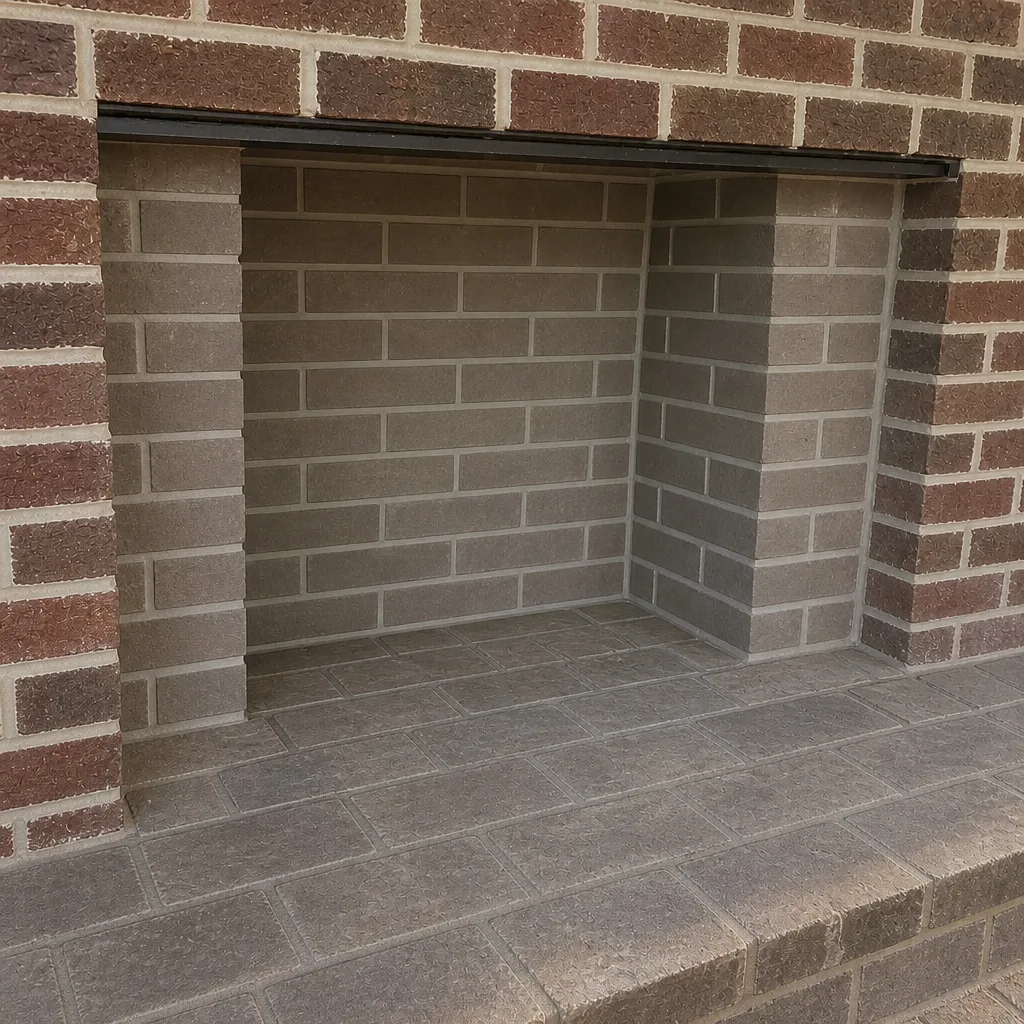
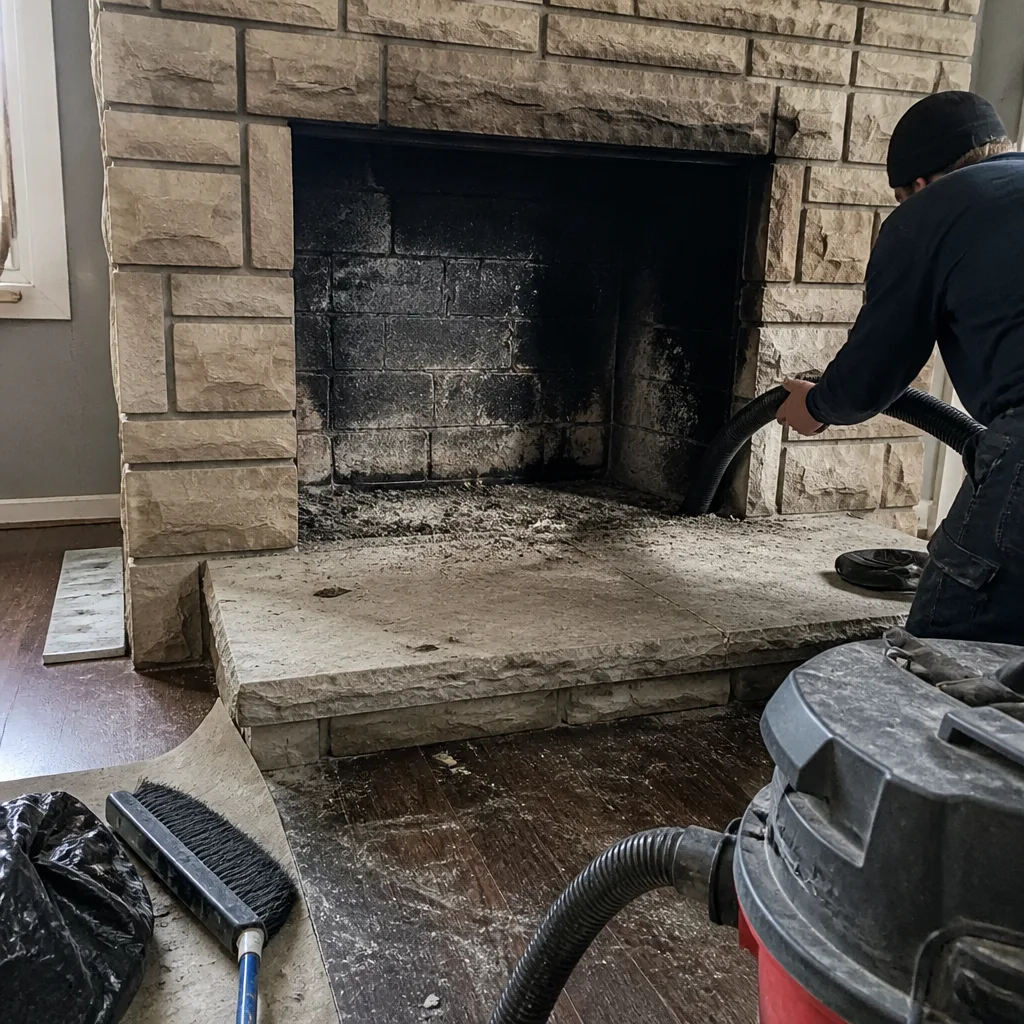
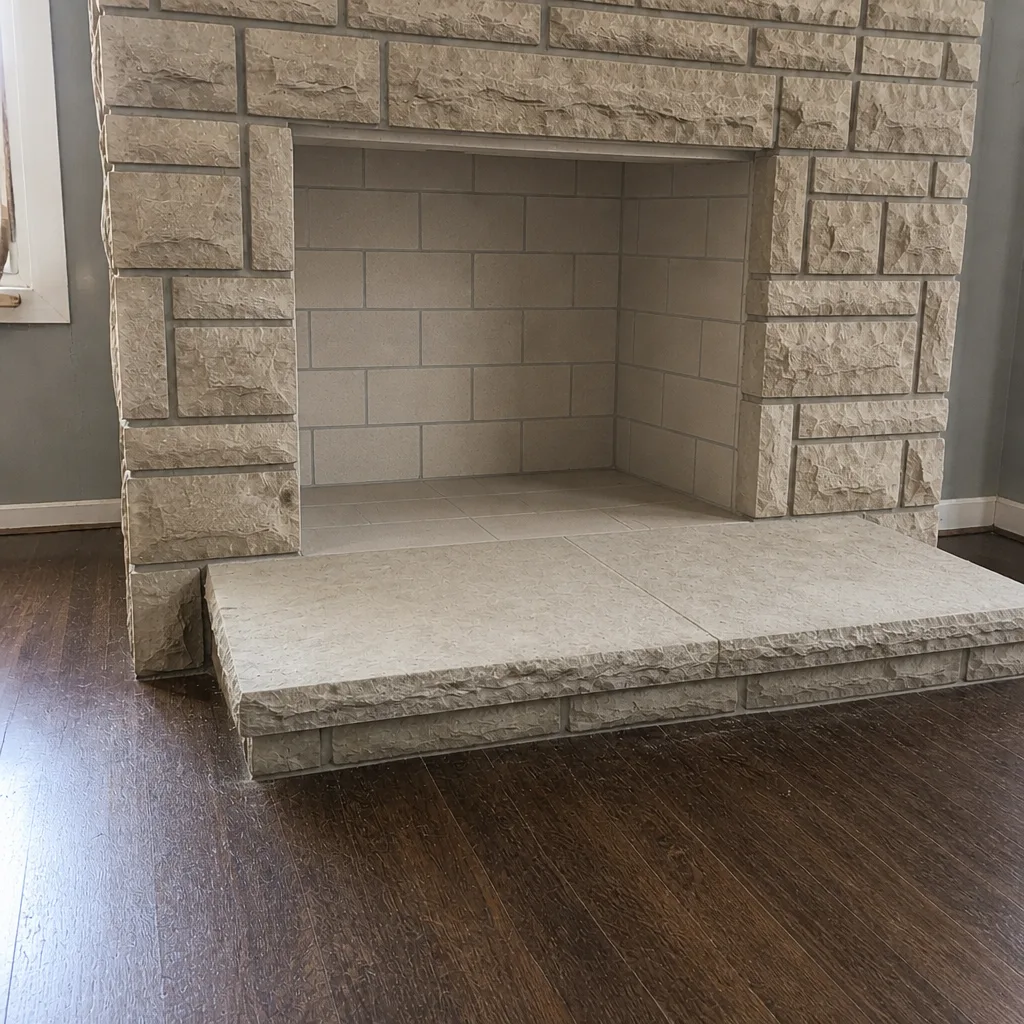
See the difference
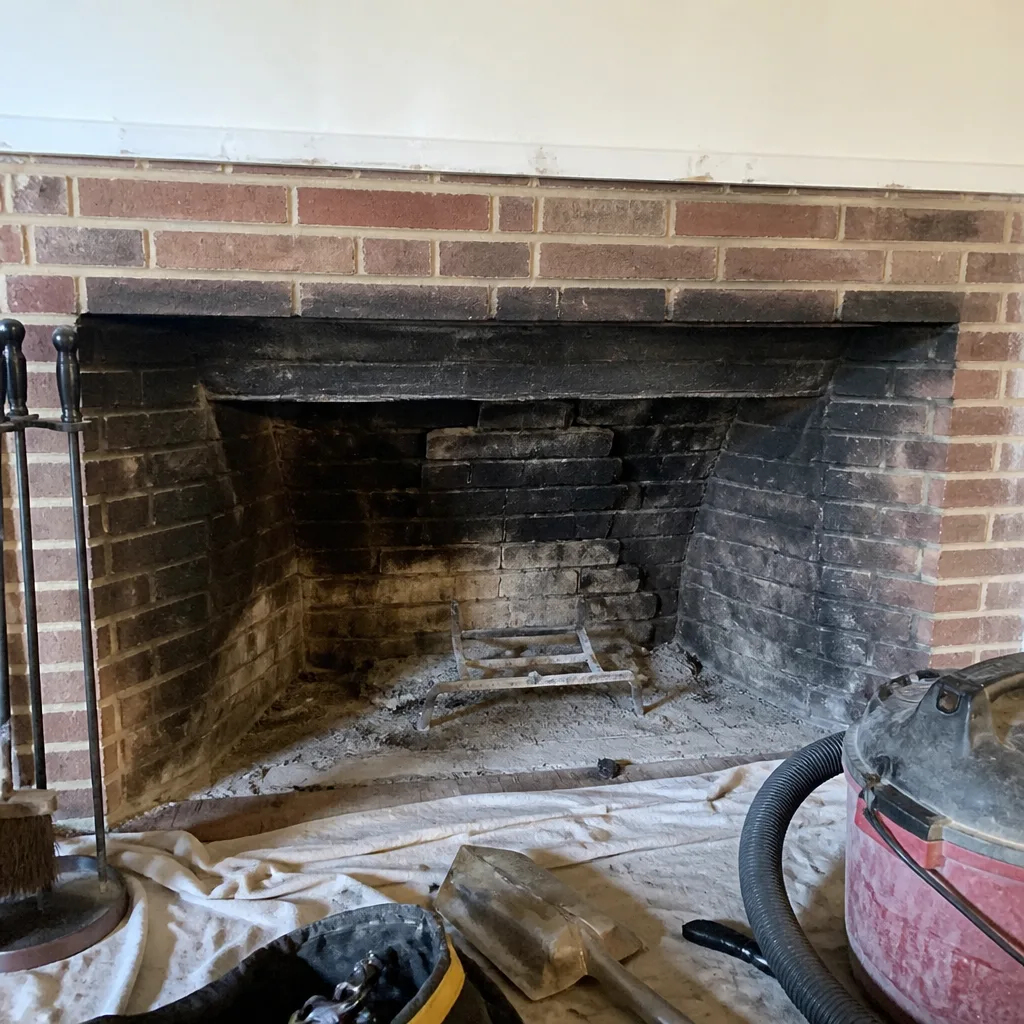 Before
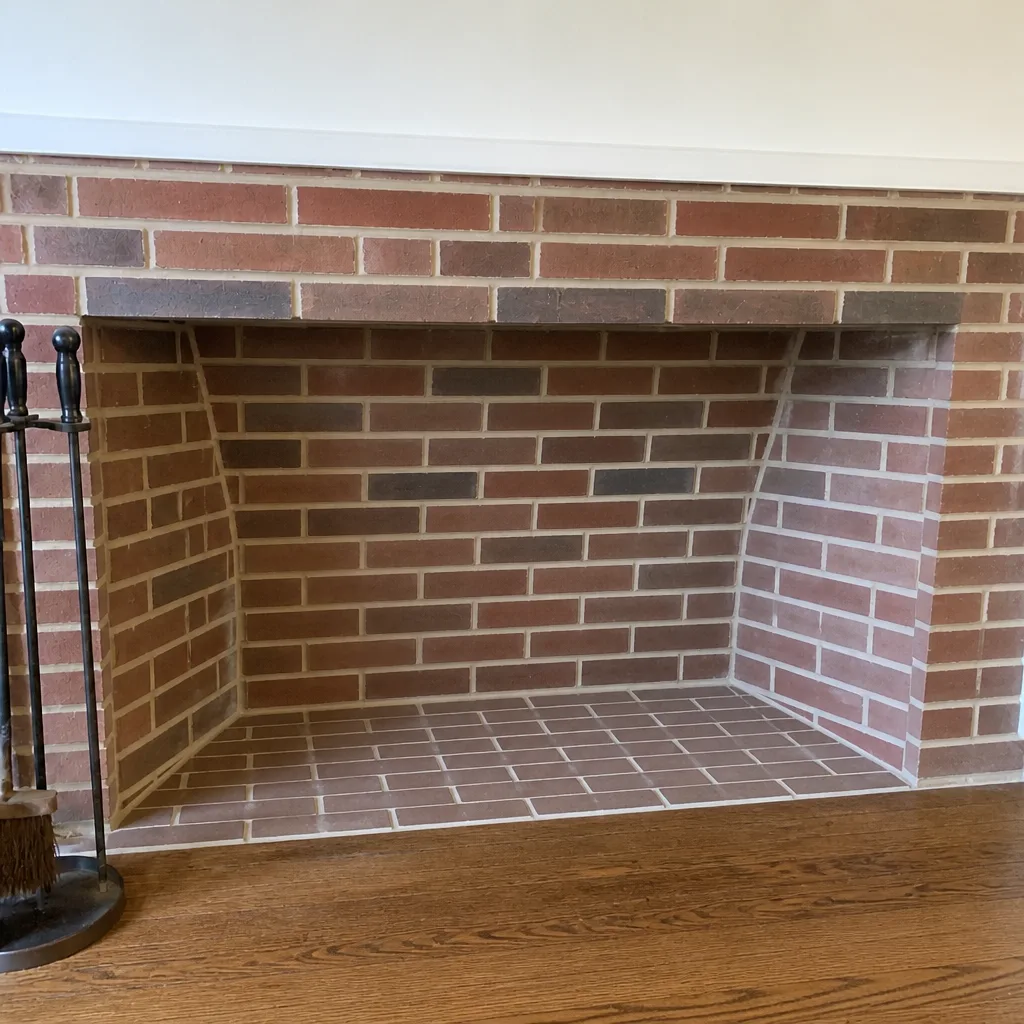 After
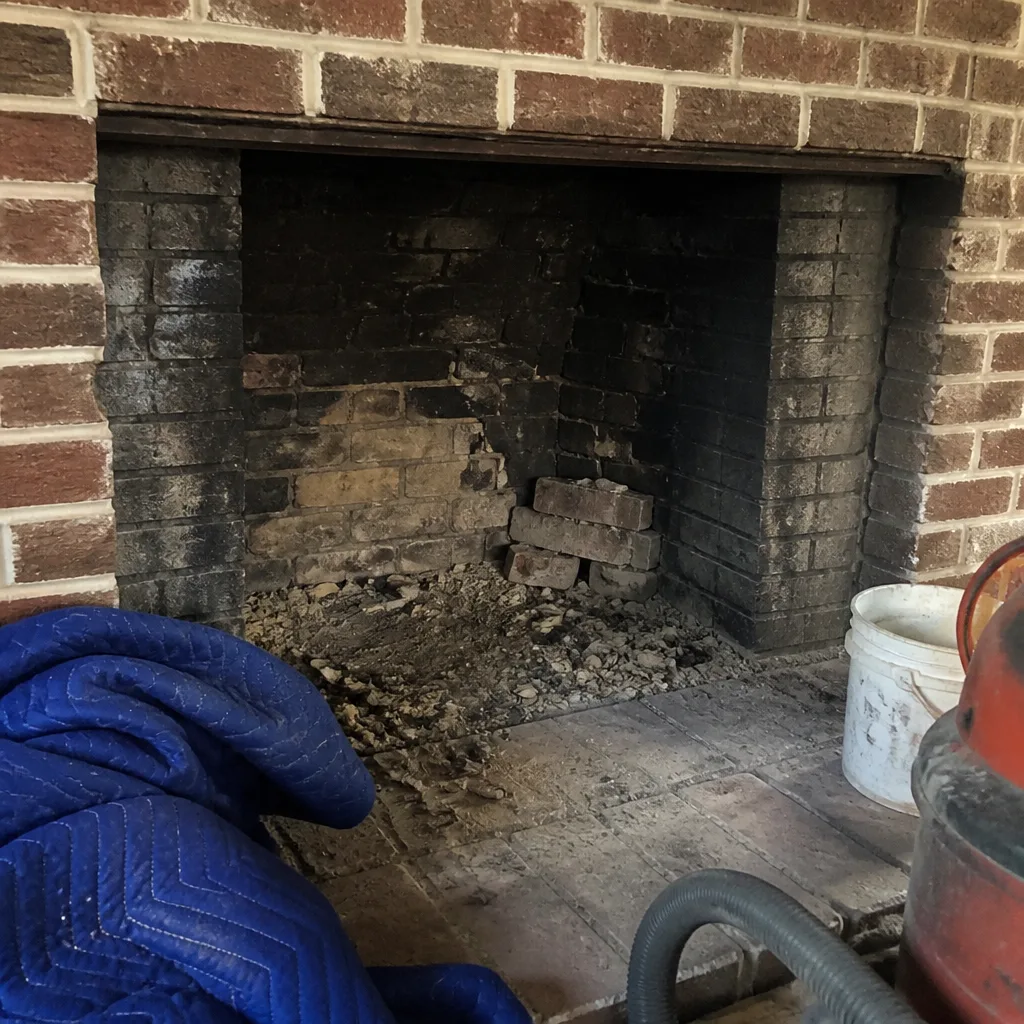 Before
 After
 Before
 After
When to Call a Professional
Call us when the flue hasn’t been inspected in over a year, when you’ve moved into a home with an unknown service history, or when the first burn of the season smokes back into the room and won’t stop. Call when you notice new staining, spalling or efflorescence on the chimney exterior – those are spring inspection findings that deserve a camera look now, not in October. Call if you’ve had a chimney fire, even a small one, because the flue needs verification before the next fire. And call if a previous sweep told you a repair was needed but couldn’t do it, or if you want the findings shown to you on camera before you spend a dollar. Shoreline Chimney Sweep offers free estimates in Cleveland – call (844) 962-2617. We answer 24/7. Fast dispatch from 7am to 7pm, Sunday through Friday.
Frequently Asked Questions
Once a year for most wood-burning fireplaces, scheduled in fall before the first fire. If you burn heavily through winter, or burn green or unseasoned wood, an additional mid-winter inspection is worth doing. The right answer depends on what the camera shows, which is why we inspect before we recommend a sweep frequency. Call (844) 962-2617 for an exact quote – estimates are free.
Fall, before the heating season starts. A fall sweep removes creosote while it’s dry and brittle, and it clears the flue before the first fire – when the risk of igniting summer-moistened creosote is highest. A spring sweep cleans a flue that’s about to sit wet for months. Spring is the better time for an inspection, not a sweep. Call (844) 962-2617 to book either one.
Humid air is being absorbed by creosote on the flue walls, and the smell you notice is that moisture-driven odor pulling down into the house. It’s a sign there’s buildup on the flue, not just a sign of damp weather. A camera inspection confirms what’s actually on the walls. Call (844) 962-2617 and we’ll show you.
Yes, and it’s the single biggest driver of structural chimney repair around here. Water enters hairline cracks during winter, freezes, expands and widens them, then thaws and lets more water in. The damage accumulates through February and March and shows up in April as spalling mortar and water staining on the chimney face. Spring inspection is how you catch it before it penetrates deeper. Call (844) 962-2617 for a free estimate on what the inspection finds.
Summer, and specifically early summer. Cleveland’s humid air is the delivery mechanism for moisture intrusion, so waterproofing in June protects the masonry through the whole high-humidity season. Fall waterproofing misses that window and, more importantly, misses the warm-weather cure time the product needs. Ask us about the specific products we use on Cleveland chimneys. Call (844) 962-2617.
You don’t lose anything in one season; you lose the ability to catch the small problem before it becomes a structural repair. Skipping fall risks a creosote fire. Skipping spring lets freeze-thaw damage grow unnoticed. Skipping summer lets moisture work deeper into masonry that spring left vulnerable. The whole point of the four-checkpoint calendar is that no single season is expensive – it’s the compounding that costs you. Call (844) 962-2617 for a free estimate.
The Bottom Line
Chimney care in Cleveland isn’t a single annual event, it’s four seasonal appointments mapped to four different kinds of stress. Clean in fall before the first fire, monitor performance through winter, inspect in April or May when freeze-thaw damage is visible, and waterproof in summer before humidity drives moisture deeper. The homeowners who avoid major chimney repairs aren’t the ones who got lucky – they’re the ones who understood that summer moisture damage is as real as winter creosote buildup, and who stopped postponing the seasonal work until it turned into a rebuild. Every seasonal task on this page is cheap compared to the repair it prevents.
If you haven’t had a chimney inspected since before the last heating season, start there. We’ll put a camera in the flue, show you what’s on the screen, tell you what can wait and what shouldn’t, and handle the whole thing under one roof. Call Shoreline Chimney Sweep at (844) 962-2617 for a free estimate. We answer 24/7. Fast dispatch from 7am to 7pm, Sunday through Friday. Inspect, clean, repair – handled start to finish.
Written by the team at Shoreline Chimney Sweep.